Living away from municipal infrastructure brings unique challenges, and securing a reliable water source is one of the most critical. Whether you’re homesteading, camping, or preparing for emergencies, understanding how to find water off-grid is a fundamental survival skill. This article explores practical methods, essential tools, and safety considerations to help you locate and manage water in remote locations.
From natural sources to collection systems, we’ll cover actionable strategies for sourcing water sustainably. If you’re building a self-sufficient lifestyle, mastering these techniques is just as important as learning about fencing or gardening. For more on essential homesteading topics, check out the modern homesteading fencing guide for tips on securing your property.
Understanding Off-Grid Water Needs
Before searching for water, it’s important to estimate your daily requirements. Drinking, cooking, cleaning, and gardening all add up. On average, an adult needs at least two liters of drinking water per day, but total usage—including hygiene and food preparation—can easily reach 10–20 liters daily per person. When living off the grid, you’ll also need to consider water for livestock and irrigation if you’re running a homestead.
Natural Sources: Locating Water in the Wild
One of the first steps in finding water off-grid is learning to identify natural sources. Here are some proven techniques:
- Streams and Rivers: Flowing water is generally safer than stagnant pools. Look for green vegetation, animal tracks, or depressions in the landscape that may indicate a watercourse.
- Springs: Natural springs often emerge at the base of hills or rocky outcrops. Water from springs is typically clean but should still be filtered and purified.
- Ponds and Lakes: Larger bodies of water are easier to spot but may require more extensive treatment due to potential contamination.
- Dew and Rain: In arid areas, collecting dew from plants or rocks in the early morning can provide small amounts of water. Rainwater harvesting is also effective if you have the right setup.
Always approach wild water sources with caution. Even clear water can harbor pathogens or chemical contaminants. Filtering and purifying are essential steps before any consumption.
Rainwater Harvesting: A Sustainable Solution
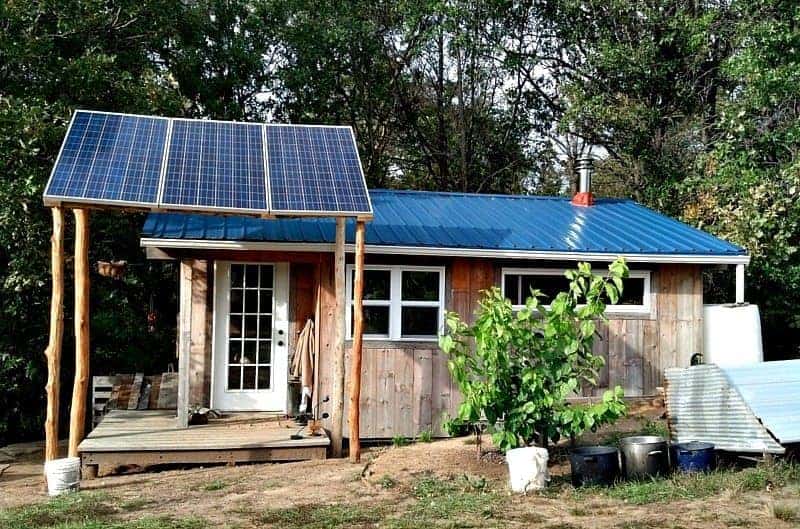
For many off-grid dwellers, rainwater collection is the backbone of their water supply. Setting up a rainwater harvesting system involves capturing runoff from roofs or tarps and channeling it into storage tanks or barrels. Here’s how to maximize your collection:
- Install gutters and downspouts on all available roof surfaces.
- Use food-grade barrels or tanks for storage to prevent contamination.
- Incorporate first-flush diverters to discard the initial runoff, which may contain debris or bird droppings.
- Cover storage containers to keep out insects and algae.
Rainwater is generally clean, but it’s still wise to filter and disinfect before drinking. For gardening, untreated rainwater is usually safe and even preferred by many plants.

Wells and Groundwater: Digging Deeper for Supply
When surface water is scarce, tapping into groundwater can provide a more consistent source. There are several ways to access water below ground:
- Hand-Dug Wells: Suitable for shallow water tables, these can be labor-intensive but effective for small-scale needs.
- Driven Wells: Using a pipe and a drive point, these wells can reach moderate depths and are quicker to install than hand-dug wells.
- Drilled Wells: For deeper aquifers, professional drilling is required. This is the most reliable but also the most expensive option.
Before digging, research local geology and regulations. Groundwater can be affected by nearby agriculture or industry, so regular testing is essential for safety.
Filtration and Purification: Making Water Safe
Regardless of the source, all off-grid water should be treated before use. Here are common methods:
- Boiling: Brings water to a rolling boil for at least one minute to kill most pathogens.
- Filtration: Portable filters remove sediment, bacteria, and some protozoa. Choose filters rated for viruses if possible.
- Chemical Treatment: Water purification tablets or drops (chlorine, iodine) are lightweight and effective for emergencies.
- UV Purifiers: Handheld UV devices can neutralize microorganisms, but water must be clear for best results.
For ongoing use, consider a multi-stage system combining sediment filters, activated carbon, and UV or chemical disinfection. This ensures your supply remains safe for all household needs.
Storing and Conserving Water Off the Grid
Once you’ve secured a water source, proper storage is crucial. Use opaque, food-grade containers to prevent algae growth and contamination. Keep storage tanks covered and clean, and inspect them regularly for leaks or pests.
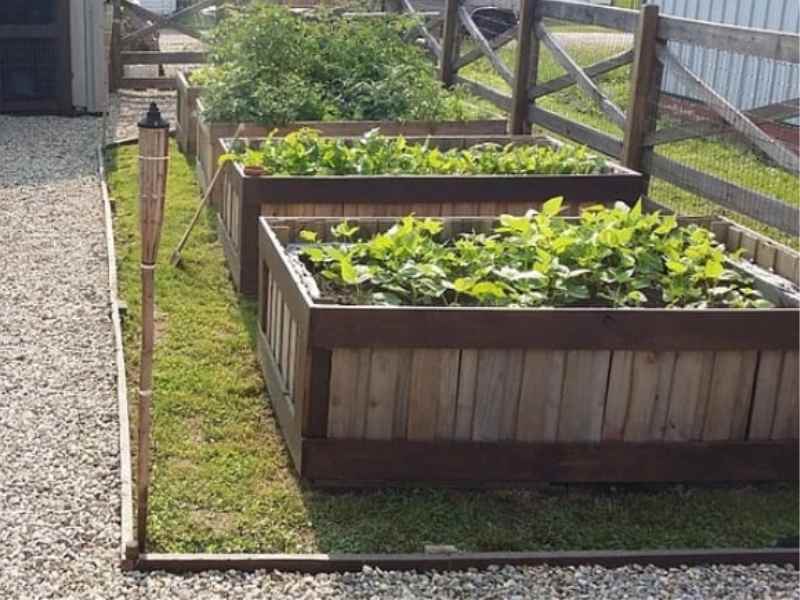
Conservation is equally important. Simple habits—like fixing leaks, using low-flow fixtures, and reusing greywater for irrigation—can dramatically extend your supply. Raised garden beds can help direct water efficiently to plant roots, reducing waste. For more ideas on sustainable gardening, explore modern homesteading herbal garden ideas.
Essential Tools and Resources for Water Security
Building a toolkit for off-grid water management can save time and effort. Consider including:
- Portable water filters and purification tablets
- Collapsible water containers for transport
- Rainwater diverters and gutter screens
- Hand pumps or solar-powered pumps for wells
- Testing kits for bacteria, nitrates, and pH
Staying prepared with the right equipment ensures you can adapt to changing conditions and maintain a safe, reliable supply.
Legal and Environmental Considerations
Before setting up any water collection or extraction system, research local laws and regulations. Some regions restrict rainwater harvesting or require permits for well drilling. Environmental stewardship is also key—avoid over-extracting from natural sources, and always return greywater to the land responsibly.
For a broader perspective on self-sufficiency, this guide to homesteading essentials covers legal, environmental, and practical aspects of rural living.
Frequently Asked Questions
What is the safest way to purify water found off-grid?
The most reliable method is to combine filtration and boiling. Use a portable filter to remove sediment and most pathogens, then boil the water for at least one minute. For added safety, chemical treatments or UV purifiers can be used as a secondary step.
Can rainwater be used for drinking without treatment?
While rainwater is generally clean, it can pick up contaminants from roofs or storage containers. Always filter and disinfect rainwater before drinking. For gardening or livestock, untreated rainwater is usually safe.
How do I find groundwater if there are no visible sources?
Look for signs such as lush vegetation, animal trails, or damp ground. Consult local geological surveys or speak with neighbors about well depths in your area. In some cases, professional dowsers or drilling companies can help locate underground aquifers.
Conclusion
Securing water in remote locations is a cornerstone of off-grid living. By combining natural observation, practical collection systems, and proper treatment, you can ensure a steady and safe supply for your household or homestead. Remember to adapt your approach to local conditions and stay informed about legal requirements. With the right knowledge and tools, self-sufficiency is within reach.