More people are searching for practical ways to live sustainably, reduce costs, and minimize their environmental impact. Earthbag homes off-grid offer a compelling solution for those seeking an affordable, eco-friendly lifestyle that is less dependent on traditional utilities. By combining natural building techniques with off-grid systems, these homes provide comfort, resilience, and a lower carbon footprint.
This article explores the essentials of building and living in earthbag dwellings away from the grid. We’ll cover the benefits, construction basics, cost considerations, and how to integrate renewable energy and food production. If you’re interested in self-sufficiency, you may also want to check out the modern homesteading fencing guide for tips on securing your property and livestock.
Why Choose Earthbag Construction for Self-Sufficient Living?
Earthbag building is a natural construction method that uses polypropylene bags filled with soil or other natural materials. These bags are stacked in courses, tamped down, and often finished with plaster or stucco. This approach is gaining popularity among those seeking affordable and sustainable housing solutions, especially for off-grid lifestyles.
- Cost-Effective: Most of the building material—earth—is available on-site, significantly reducing expenses.
- Durable and Disaster-Resistant: Properly built earthbag structures can withstand earthquakes, floods, and even fire.
- Thermal Efficiency: Thick earthen walls provide excellent insulation, keeping interiors cool in summer and warm in winter.
- Low Environmental Impact: Using local, natural materials means fewer emissions and less waste.
- Customizable: Earthbag homes can be built in various shapes and sizes, from simple domes to multi-room houses.
Key Elements of Off-Grid Earthbag Homes
Creating a truly independent home involves more than just the structure itself. Here are the main components that make earthbag dwellings suitable for life away from the grid:
Renewable Energy Systems
Most off-grid homes rely on solar panels, wind turbines, or micro-hydro systems for electricity. Positioning your home to maximize solar gain and minimize energy loss is crucial. Battery storage and energy-efficient appliances help ensure a steady power supply.
For a deeper dive into essential systems, the off-grid living essentials guide offers practical advice on setting up renewable energy, water, and waste solutions.
Water Collection and Management
Rainwater harvesting, wells, and filtration systems are common in off-grid settings. Earthbag homes can be designed with integrated gutters, cisterns, and greywater recycling to maximize water efficiency.
Waste Handling
Composting toilets, constructed wetlands, and septic systems are popular choices for managing waste sustainably. These options reduce reliance on municipal infrastructure and help close the nutrient loop on your property.
Building Process: From Foundation to Finish
Constructing an earthbag home off the grid requires planning, labor, and some specialized knowledge. Here’s a simplified overview of the process:
- Site Selection: Choose a location with good drainage, solar access, and proximity to water sources.
- Foundation: Most builders use gravel-filled bags or a rubble trench to prevent moisture problems.
- Wall Construction: Fill bags with damp soil, stack in staggered rows, and tamp each layer. Barbed wire between courses adds stability.
- Openings: Frames for doors and windows are installed as you build up the walls.
- Roofing: Options include domes, timber-framed roofs, or living roofs with vegetation.
- Finishing: Apply plaster or stucco to protect the bags from UV and weather. Interior finishes can be as simple or elaborate as you like.
Integrating Food Production and Homesteading
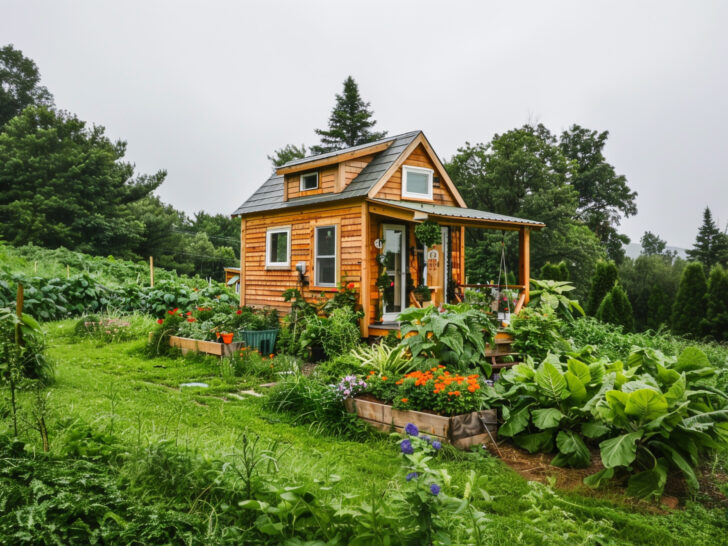
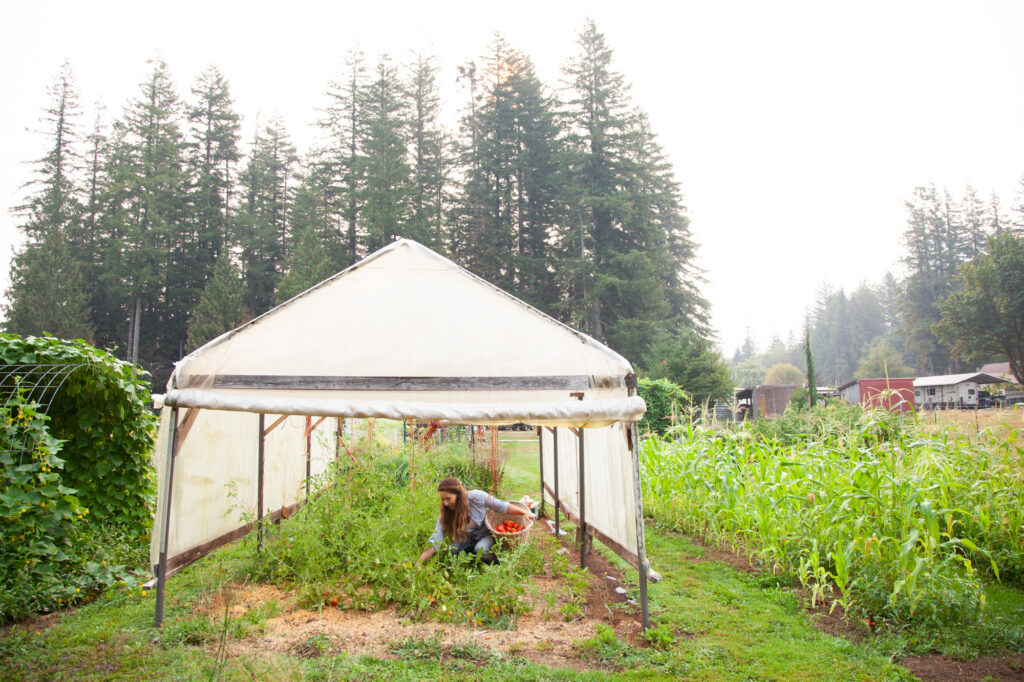
One of the major advantages of off-grid earthbag homes is the opportunity to pair your shelter with productive land. Many owners establish gardens, orchards, or small livestock operations to further reduce their dependence on outside resources.
Raised beds, permaculture designs, and companion planting can boost yields and soil health. For those interested in herbal remedies, the modern homesteading herbal garden ideas article provides inspiration for integrating medicinal plants into your landscape.
Budgeting and Cost Considerations
While earthbag construction is generally less expensive than conventional building, costs can vary based on location, design, and the level of self-sufficiency you want to achieve. Major expenses include bags, barbed wire, tools, roofing materials, and any systems for energy or water. Labor is a significant factor—doing the work yourself saves money, but it requires time and effort.
For practical advice on managing your finances, the modern homesteading budgeting tips guide offers strategies for keeping your project affordable from start to finish.
Common Challenges and How to Overcome Them
Building and living off the grid is rewarding, but it comes with unique hurdles:
- Permitting and Codes: Some areas have strict regulations. Research local requirements before starting.
- Labor Intensity: Earthbag construction is physically demanding. Gather a team or plan for a longer timeline if working solo.
- Weather Delays: Rain or extreme temperatures can slow progress. Plan your build around the best local season.
- Learning Curve: If you’re new to natural building, consider workshops or online resources to build your skills.
Frequently Asked Questions
Are earthbag houses suitable for all climates?
Yes, with proper design adjustments. In hot, dry climates, thick walls provide cooling. In cold regions, adding insulation and using passive solar design helps maintain warmth. Proper waterproofing and drainage are essential in wet areas.
How long does it take to build an earthbag home?
Timelines vary based on size, complexity, and crew size. A simple one-room structure can take a few weeks with a small team, while larger homes may require several months. Factoring in time for foundations, wall building, roofing, and finishing is important.
What maintenance is required for earthbag dwellings?
Maintenance is minimal if the home is well-built and protected from moisture and UV exposure. Inspect exterior finishes regularly and repair cracks or damage promptly. Roof and drainage systems should be checked to prevent leaks.
Conclusion
Choosing to build with earthbags and live off the grid is a practical path toward self-sufficiency, resilience, and environmental stewardship. With careful planning and a willingness to learn, you can create a comfortable, affordable home that supports your goals for sustainable living. Whether you’re starting a homestead, downsizing, or simply seeking a greener lifestyle, these homes offer a flexible and rewarding foundation for your journey.