
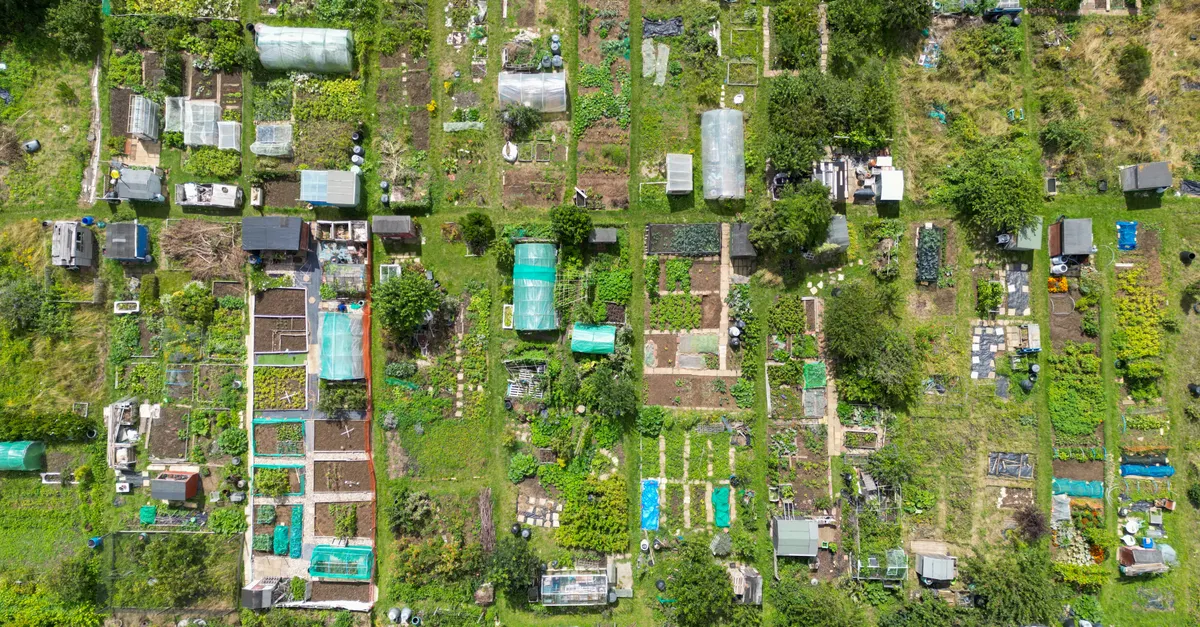
Communities around the world are increasingly seeking ways to become more adaptable and self-sufficient in the face of environmental, social, and economic challenges. Permaculture design for community resilience offers a holistic approach that integrates sustainable land use, participatory planning, and ecological principles to help neighborhoods thrive. By focusing on long-term sustainability and collective action, this approach empowers groups to create systems that are productive, regenerative, and resilient to disruptions.

Understanding Permaculture and Its Impact on Resilient Communities
Permaculture is a design philosophy rooted in observing natural ecosystems and applying those lessons to human settlements. At its core, it seeks to create environments where people, plants, animals, and the land work together in harmony, reducing waste and increasing productivity. When applied at the community level, permaculture helps groups build resilience by fostering local food systems, water management, renewable energy, and social networks that can withstand shocks and stresses.
Community resilience refers to the ability of a group to anticipate, prepare for, respond to, and recover from adverse situations—whether environmental, economic, or social. Integrating permaculture principles into community planning not only addresses immediate needs but also strengthens the foundation for long-term well-being and adaptability. For more information, see community resilience research.
Core Principles of Permaculture Design for Community Resilience
The foundation of permaculture design for community resilience lies in a set of guiding principles that inform every decision and action. These principles are practical, adaptable, and universally applicable, making them ideal for diverse communities seeking sustainable solutions.
- Observe and Interact: Take time to understand the local environment, climate, and social dynamics before making changes.
- Catch and Store Energy: Harness resources like sunlight, rainwater, and local labor when they are abundant to use during times of scarcity.
- Obtain a Yield: Ensure that every element of the design provides tangible benefits, such as food, energy, or community well-being.
- Apply Self-Regulation and Accept Feedback: Monitor outcomes and adjust practices to avoid negative impacts and improve over time.
- Use and Value Renewable Resources: Prioritize materials and systems that regenerate naturally, reducing dependence on finite inputs.
- Produce No Waste: Design systems where outputs from one process become inputs for another, minimizing pollution and inefficiency.
- Design from Patterns to Details: Start with broad patterns—such as water flow or community needs—before refining specific elements.
- Integrate Rather Than Segregate: Encourage collaboration and interdependence among people and systems for greater resilience.
- Use Small and Slow Solutions: Implement manageable changes that can be maintained and adapted as needed.
- Value Diversity: Foster a variety of species, ideas, and approaches to increase adaptability and reduce risk.
- Use Edges and Value the Marginal: Recognize that the boundaries between systems are often the most productive and innovative spaces.
- Creatively Use and Respond to Change: Embrace change as an opportunity for growth and improvement.
Applying these principles helps communities design landscapes, social structures, and resource flows that are both efficient and adaptable, laying the groundwork for lasting resilience.
The Importance of Participatory Design in Permaculture Projects
A key strength of permaculture is its emphasis on participatory design, which involves community members directly in the planning and implementation process. This approach ensures that solutions are tailored to local needs and knowledge, fostering a sense of ownership and shared responsibility.
Participatory design goes beyond consultation—it invites residents to co-create the vision, identify priorities, and contribute their skills. This collaborative process not only leads to more effective and context-sensitive outcomes but also strengthens social bonds and trust within the group.
According to research, permaculture can become a movement that transforms communities physically, socially, and politically. When people are actively involved in shaping their environment, they are more likely to maintain and adapt the systems over time, ensuring that the benefits of permaculture extend well into the future.
For example, organizing design workshops, community mapping sessions, and shared workdays can help bring diverse perspectives together and build momentum for change. Tools such as the Scale of Permanence and Zones of Use can be introduced in these settings to guide collective decision-making.
Real-World Examples: Permaculture in Community Settings
Across the globe, communities have successfully used permaculture principles to enhance their resilience. These projects demonstrate the adaptability of the approach and its potential to address a wide range of challenges.
- Eco-villages: Many intentional communities have adopted permaculture to design food forests, water systems, and communal spaces that support both ecological health and social well-being. These villages often use composting toilets and renewable energy systems to minimize their environmental footprint.
- Urban Neighborhoods: In cities, residents have transformed vacant lots into productive gardens, installed rainwater harvesting systems, and created networks for sharing tools and skills. Such initiatives not only provide fresh food but also strengthen community ties.
- Rural Communities: Groups in rural areas have used permaculture to restore degraded land, increase biodiversity, and develop local markets for their produce. By focusing on sustainable systems, they build economic and ecological resilience.
Organizations like Permaculture Design International have worked with communities to create resilient and sustainable human settlements, using permaculture design to assess economic yields and increase natural capital. These examples highlight the versatility and impact of the approach when applied thoughtfully and collectively.
For those interested in further ideas on strengthening neighborhood ties, exploring modern homesteading community building ideas can provide additional inspiration.
Step-by-Step Guide: Implementing Permaculture Design for Community Resilience
While the principles of permaculture are universal, the process of bringing them to life in a community setting requires careful planning and collaboration. Here is a practical, step-by-step guide to help groups get started:
- Form a Core Group: Gather a small team of committed individuals who are passionate about sustainability and willing to lead the process. This group will coordinate activities, facilitate communication, and ensure continuity.
- Engage the Community: Organize meetings, surveys, or workshops to involve as many residents as possible. Use participatory tools like community mapping to identify assets, needs, and opportunities.
- Assess the Site and Resources: Conduct a thorough analysis of the local environment using frameworks such as the Scale of Permanence (which considers climate, landform, water, access, vegetation, structures, and more), Zones of Use (which organizes space by frequency of use), and Sector Analysis (which maps external influences like sun, wind, and water flow).
- Set Goals and Priorities: Define clear objectives based on community input and ecological realities. Goals might include increasing local food production, improving water management, or enhancing social connections.
- Design the System: Create a master plan that integrates the principles of permaculture. Consider how elements such as gardens, water catchment, renewable energy, and shared spaces can work together for mutual benefit.
- Implement in Phases: Start with small, achievable projects—like planting a community herb spiral or installing rainwater harvesting systems—and build on successes. This approach allows for learning and adaptation.
- Monitor, Evaluate, and Adapt: Regularly assess progress, gather feedback, and make adjustments as needed. Encourage ongoing participation and celebrate milestones to maintain enthusiasm.
Throughout this process, it can be helpful to use permaculture design books and resources to guide planning and implementation. Remember that flexibility and inclusivity are key—every community is unique, and the best solutions are those that reflect local strengths and aspirations.
For communities facing climate-related challenges, exploring permaculture design for climate adaptation can provide targeted strategies for increasing resilience.

Conclusion: The Lasting Benefits of Permaculture for Communities
Adopting permaculture design as a framework for community resilience offers far-reaching benefits. By working with nature and each other, groups can create systems that are productive, regenerative, and adaptable to change. The participatory nature of the process strengthens social ties, builds local capacity, and empowers residents to shape their own future.
As more communities embrace these principles and practices, the collective impact can be transformative—leading to healthier environments, stronger economies, and a greater sense of belonging. Whether starting small or aiming for broader change, the journey toward resilience begins with observation, collaboration, and a commitment to sustainable design.
Frequently Asked Questions
What are the main principles of permaculture design?
Permaculture design is guided by principles such as observing and interacting with the environment, catching and storing energy, obtaining yields, producing no waste, and valuing diversity. These principles help create systems that are efficient, sustainable, and resilient.
How does participatory design benefit permaculture projects?
Participatory design involves community members in every stage of planning and implementation. This approach ensures that solutions are tailored to local needs, increases buy-in, and fosters a sense of ownership, which is crucial for the long-term success of permaculture projects.
What steps should a community take to start a permaculture project?
Key steps include forming a core group, engaging the wider community, assessing local resources, setting clear goals, designing the system collaboratively, implementing projects in manageable phases, and regularly evaluating progress to adapt as needed.