As the effects of climate change intensify, more people are searching for practical ways to build resilience into their landscapes and communities. Permaculture design for climate adaptation offers a holistic framework for creating regenerative systems that not only withstand environmental stress but also restore ecological balance. By applying time-tested principles and adapting strategies to local conditions, individuals and communities can transform their spaces into thriving, climate-resilient environments.
Understanding Permaculture and Its Role in Climate Adaptation
Permaculture is a design philosophy rooted in observing natural systems and working with, rather than against, nature. Developed in the 1970s by Bill Mollison and David Holmgren, it integrates agriculture, water management, energy, and community planning to create sustainable and regenerative systems. In the context of climate adaptation, permaculture provides a toolkit for responding to unpredictable weather, resource scarcity, and ecological disruptions by building resilient landscapes that can adapt and recover from shocks.
Permaculture design is especially relevant today as communities face increasing challenges such as drought, flooding, and soil degradation. By focusing on long-term sustainability and resilience, these practices help ensure food security, water availability, and ecosystem health in a changing climate.
Core Principles That Guide Climate-Resilient Design
At the heart of permaculture are three ethical pillars: Earth Care, People Care, and Fair Share. These principles guide every design decision and are essential for building systems that can adapt to climate variability.
- Earth Care: Prioritizing the health of soil, water, and biodiversity. This means minimizing disturbance, enhancing soil fertility, and protecting natural habitats.
- People Care: Ensuring that designs meet human needs for food, shelter, and well-being, while fostering strong community connections.
- Fair Share: Promoting equitable resource distribution and limiting consumption to what is truly needed, so that resources are available for all, including future generations.
These ethics are supported by design principles such as observing and interacting with the environment, catching and storing energy, obtaining a yield, applying self-regulation, using renewable resources, and integrating rather than segregating elements. According to permaculture educators, applying these principles helps communities build resilience and adapt to climate change by creating regenerative systems that are flexible and robust.
Permaculture Strategies for Building Climate Resilience
Effective permaculture design for climate adaptation relies on a range of strategies that address both immediate risks and long-term sustainability. The Scale of Landscape Permanence, as outlined in academic resources, provides a structured approach to assessing and designing for climate resilience. This scale considers factors such as climate, landform, water, access, vegetation, microclimate, buildings, and soil.
Key strategies include:
- Water Harvesting and Management: Techniques such as swales, ponds, and rain gardens capture and store water, reducing vulnerability to drought and flooding. These methods slow runoff, recharge groundwater, and create microclimates that support plant growth.
- Diversified Planting: Integrating a variety of species, including perennials, annuals, trees, and groundcovers, increases system resilience. Polycultures and food forests mimic natural ecosystems, providing food, habitat, and soil protection.
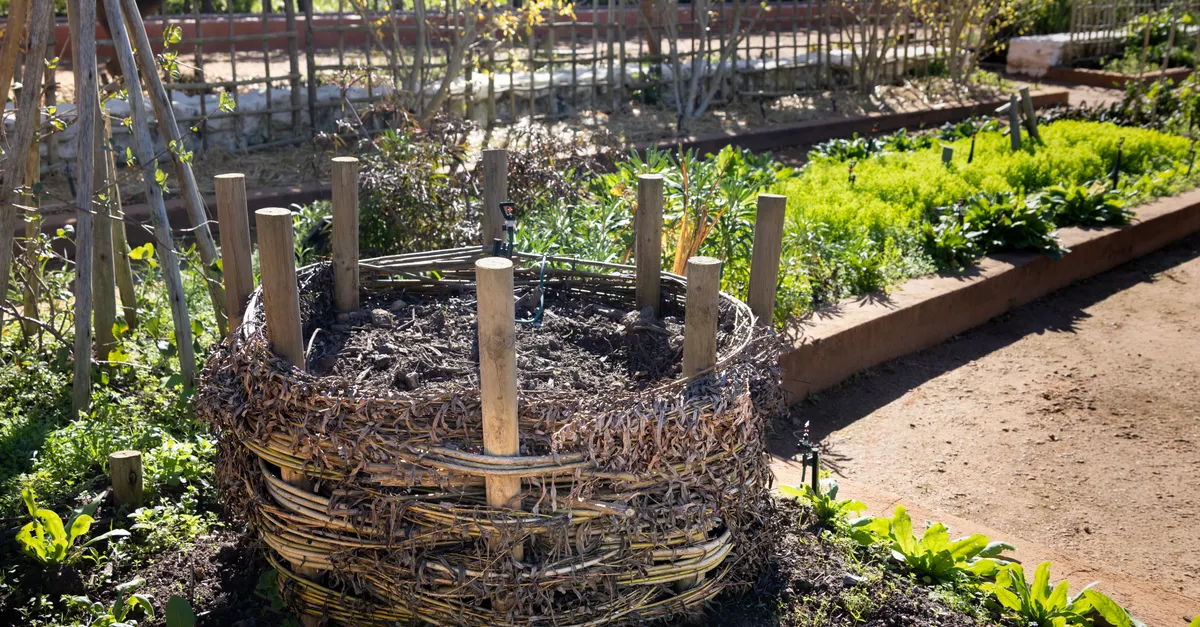
- Soil Building: Practices like mulching, composting, and cover cropping improve soil structure, fertility, and water retention. Healthy soils are better equipped to withstand extreme weather and support productive crops.
- Microclimate Creation: Using windbreaks, shade structures, and strategic plant placement to buffer temperature extremes and protect sensitive crops.
- Energy Efficiency: Designing homes and infrastructure to maximize passive solar gain, natural ventilation, and energy conservation reduces reliance on external resources.
By combining these strategies, permaculture practitioners can create landscapes that buffer against climate shocks and provide ongoing yields of food, fiber, and other resources.
Applying Permaculture in Different Climate Zones
One of the strengths of permaculture is its adaptability to a wide range of environments. Successful implementation depends on tailoring design strategies to local climate conditions, whether arid, temperate, tropical, or cold.
Arid and Semi-Arid Regions
In dry climates, water conservation is paramount. Techniques such as contour swales, rock mulching, and drought-tolerant plant selection are commonly used. For example, in the southwestern United States, permaculture practitioners have transformed degraded land into productive oases by capturing rainwater, building soil with organic matter, and planting native species that thrive in low-water conditions.
Temperate Climates
In regions with moderate rainfall and seasonal variation, permaculture designs often focus on maximizing growing seasons and protecting against both drought and excess moisture. Food forests, multi-layered gardens, and perennial vegetables are popular approaches. In the Pacific Northwest, for instance, integrating rainwater barrels and swales helps manage heavy winter rains while providing irrigation during dry summers.
Tropical Zones
Tropical climates benefit from rapid plant growth and high biodiversity. Permaculture strategies here include dense planting, shade management, and soil protection through constant ground cover. In Southeast Asia, home gardens often combine fruit trees, root crops, and medicinal plants, creating resilient systems that provide year-round yields.
Cold and Mountainous Areas
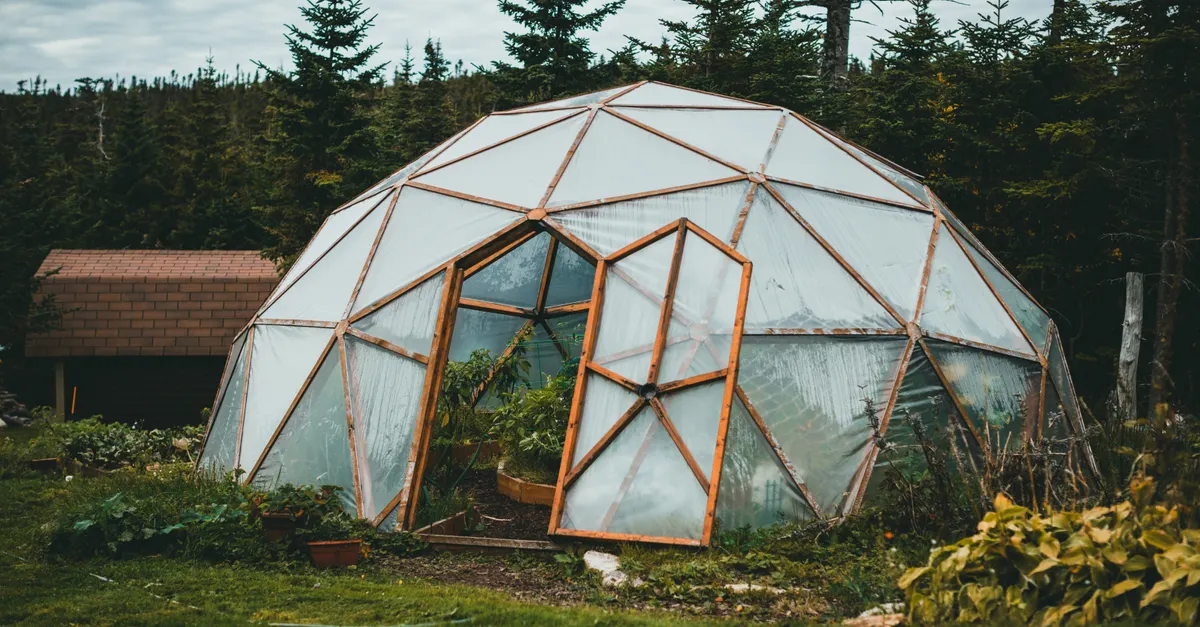
In colder climates, extending the growing season and protecting crops from frost are key concerns. Techniques such as cold frames, greenhouses, and thermal mass walls are used alongside windbreaks and snow catchment systems. In Scandinavia, permaculture gardens utilize row covers and perennial vegetables to ensure food production despite short summers.
For more region-specific insights, resources like modern homesteading climate adaptation tips offer practical advice for adapting permaculture strategies to local conditions.
Benefits and Challenges of Using Permaculture for Adaptation
Adopting permaculture design for climate adaptation brings a range of advantages, but also presents some challenges that practitioners should consider.
Pros:
- Enhances ecosystem resilience and biodiversity
- Improves soil health and water retention
- Reduces reliance on external inputs and fossil fuels
- Supports food security and local self-sufficiency
- Fosters community collaboration and knowledge sharing
Cons:
- Requires significant initial observation and planning
- May involve higher upfront labor and investment
- Results can take several years to fully mature
- Success depends on ongoing management and adaptation
- Some techniques may not be suitable for all sites or scales
Despite these challenges, many find that the long-term benefits of increased resilience, productivity, and ecological health far outweigh the initial hurdles. Tools like soil test kits and compost bins can help streamline the process and support ongoing system health.
Conclusion
Permaculture design offers a powerful approach to climate adaptation by combining ethical principles, practical strategies, and a deep understanding of local environments. By applying these concepts across diverse climate zones, individuals and communities can build regenerative systems that not only survive but thrive in the face of climate uncertainty. The detailed examples and region-specific strategies outlined here demonstrate that with careful planning and a commitment to continuous learning, permaculture can play a vital role in building a resilient future.
Frequently Asked Questions
What are the core principles of permaculture design?
The foundational principles include Earth Care, People Care, and Fair Share. These ethics guide all design decisions and are supported by practical principles such as observing natural systems, using renewable resources, and integrating elements to create resilient, self-sustaining landscapes.
How does permaculture design contribute to climate resilience?
Permaculture enhances climate resilience by creating systems that can absorb shocks, recover from disturbances, and continue to provide essential resources. Strategies like water harvesting, soil building, and diversified planting help buffer against drought, flooding, and other climate-related risks.
Can permaculture be adapted to any climate?
Yes, permaculture is highly adaptable. By observing local conditions and selecting appropriate strategies—such as water conservation in arid zones or season extension in cold climates—permaculture can be successfully implemented in virtually any environment.