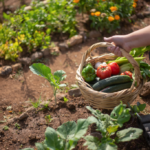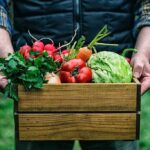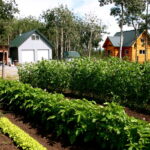
Urban communities around the world are facing increasing challenges in accessing fresh, healthy food. Rising food prices, limited green spaces, and supply chain disruptions have made it harder for many city dwellers to maintain a nutritious diet. Organic gardening for food security is emerging as a practical and sustainable solution to address these issues. By transforming vacant lots, rooftops, and even balconies into productive gardens, urban residents can take control of their food sources, improve their health, and strengthen community resilience.
The Role of Organic Gardening in Urban Food Security
Organic gardening for food security involves growing fruits, vegetables, and herbs without synthetic chemicals or genetically modified organisms. This approach not only produces healthier food but also supports local ecosystems and reduces dependence on industrial agriculture. In urban areas, where food deserts and limited access to fresh produce are common, organic gardening empowers individuals and communities to take action against food insecurity.
By cultivating their own food, city residents can supplement their diets with nutrient-rich produce, reduce grocery expenses, and decrease their reliance on long and often fragile supply chains. Community gardens, school plots, and home container gardens all contribute to a more secure and sustainable urban food system.
Benefits of Organic Gardening for City Dwellers
There are numerous advantages to practicing organic gardening in urban environments, especially when it comes to improving food access and overall well-being:
- Improved Nutrition: Homegrown organic produce is often fresher and more nutrient-dense than store-bought alternatives, supporting better health outcomes.
- Cost Savings: Growing your own food can significantly reduce grocery bills, making healthy eating more affordable for families and individuals.
- Community Building: Shared gardens foster social connections, encourage knowledge sharing, and create a sense of ownership and pride in local neighborhoods.
- Environmental Impact: Organic methods avoid harmful chemicals, support pollinators, and help restore urban biodiversity.
- Resilience: Local food production buffers communities against supply chain disruptions and price fluctuations, enhancing overall food security.
Getting Started with Urban Organic Gardening
Starting an organic garden in a city setting may seem daunting, but it is achievable with the right approach. Here are some practical steps to help urban residents begin their journey toward greater food independence:
- Assess Available Space: Look for unused land, rooftops, balconies, or even sunny windowsills. Many crops can thrive in containers or raised beds, making use of limited space.
- Choose Suitable Crops: Select vegetables and herbs that are well-suited to your climate and space constraints. Leafy greens, tomatoes, peppers, and herbs are popular choices for urban gardens.
- Use Organic Practices: Focus on building healthy soil with compost, mulching to retain moisture, and using natural pest control methods such as companion planting or beneficial insects.
- Engage the Community: Join or start a community garden to share resources, knowledge, and support. Working together can make gardening more enjoyable and productive.
For those just beginning, resources like Urban Gardening Ideas for Beginners: Grow Food in Cities offer practical tips and inspiration tailored to city environments.
Overcoming Challenges in Urban Organic Gardening
While organic gardening for food security offers many benefits, urban gardeners often face unique obstacles. Limited space, poor soil quality, and lack of experience can make it difficult to get started. However, these challenges can be addressed with creative solutions:
- Soil Quality: Use raised beds or containers with high-quality organic soil. Composting kitchen scraps can provide a steady supply of nutrients for your plants.
- Space Constraints: Vertical gardening, trellises, and stacking planters allow you to maximize yields in small areas. Rooftop and balcony gardens can also be highly productive.
- Water Access: Collect rainwater or use drip irrigation systems to conserve water and ensure consistent moisture for your crops.
- Pest Management: Encourage beneficial insects, use physical barriers like row covers, and practice crop rotation to minimize pest problems without chemicals.
Education and community support are also crucial. Local workshops, gardening clubs, and online resources can help new gardeners build confidence and skills.
Community Gardens: Strengthening Urban Food Systems
Community gardens are a cornerstone of urban food resilience. By pooling resources and labor, neighborhoods can transform vacant lots into productive spaces that benefit everyone. These gardens often provide plots for individuals or families, as well as communal growing areas for shared crops.
Beyond food production, community gardens offer educational opportunities, promote cultural exchange, and create safe, green spaces for recreation and relaxation. They also serve as hubs for distributing surplus produce to local food banks or shelters, extending the impact of organic gardening for food security beyond the garden gate.
Innovative Approaches to Urban Food Production
Urban gardeners are increasingly adopting innovative techniques to overcome space and resource limitations. Methods such as vertical gardening, hydroponics, and aeroponics allow for efficient food production in unconventional settings. For example, aeroponic systems can grow crops without soil, using nutrient-rich mist, making them ideal for apartments or rooftops.
Learning about these advanced methods can help urban residents further increase their food self-sufficiency. For those interested in exploring these options, the article Aeroponic Gardening Basics: Growing Food in the Air provides a helpful introduction.
Long-Term Impact of Urban Organic Gardening
The adoption of organic gardening for food security in cities can have far-reaching effects. Over time, widespread urban gardening can:
- Reduce the carbon footprint associated with transporting food over long distances.
- Improve air quality and mitigate the urban heat island effect through increased greenery.
- Foster a culture of sustainability and environmental stewardship among city residents.
- Empower marginalized communities by providing access to land, skills, and healthy food.
As more people embrace organic gardening, urban areas can become more resilient, equitable, and sustainable places to live.
Frequently Asked Questions
What are the best crops to grow for food security in urban gardens?
Leafy greens (such as lettuce, spinach, and kale), tomatoes, peppers, beans, and herbs are excellent choices for urban gardens. These crops are productive, space-efficient, and offer high nutritional value. Root vegetables like radishes and carrots can also thrive in containers or raised beds.
How can I start an organic garden if I have no yard?
Even without a yard, you can grow food on balconies, rooftops, windowsills, or indoors using containers. Vertical gardening and hydroponic or aeroponic systems are also great options for maximizing limited space. Focus on crops that do well in small containers and get adequate sunlight.
Is organic gardening more expensive than conventional gardening?
While initial setup costs for organic gardening (such as purchasing organic soil or compost) may be slightly higher, long-term expenses are often lower. Organic methods rely on natural inputs, composting, and seed saving, which can reduce ongoing costs. The health and environmental benefits also outweigh the initial investment for many gardeners.