Small-space companion planting is a practical and efficient way to maximize yields, boost plant health, and make the most of limited garden areas. Whether you’re working with a balcony, patio, or a compact backyard, understanding how to pair plants strategically can transform even the tiniest plot into a productive oasis. This approach not only saves space but also leverages natural plant relationships to reduce pests, improve soil, and encourage robust growth.
Many modern homesteaders and urban gardeners are turning to these techniques to grow more food in less space. By choosing the right plant combinations and arranging them thoughtfully, you can create a thriving mini-ecosystem that supports itself. If you’re new to this concept or want to refine your approach, this guide will walk you through the essentials, from planning your layout to selecting the best plant partners.
For those interested in expanding their homesteading skills beyond the garden, the modern homesteading fencing guide offers valuable insights into creating secure and efficient spaces for your plants and animals.
Why Use Companion Planting in Small Gardens?
When space is at a premium, every inch counts. Small-space companion planting allows you to:
- Increase productivity: By pairing compatible crops, you can fit more plants in the same area and harvest a greater variety.
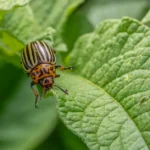
- Enhance pest control: Some plants naturally repel insects or attract beneficial predators, reducing the need for chemical interventions.
- Improve soil health: Certain combinations help fix nitrogen, break up compacted soil, or provide shade for delicate roots.
- Maximize microclimates: Tall or leafy plants can offer shelter for sun-sensitive crops, while ground covers suppress weeds and retain moisture.
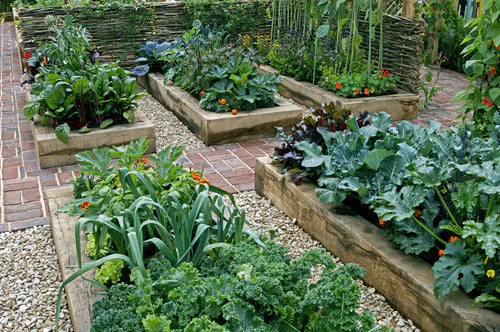
This method is especially useful for container gardens, raised beds, and urban plots where traditional row planting isn’t feasible.
Planning Your Compact Companion Garden
Success with small-space companion planting starts with careful planning. Here’s how to get started:
- Assess your space: Measure your available area, whether it’s a few pots, a window box, or a small raised bed.
- Choose your containers: Select containers or beds that suit your space and drainage needs. Deep pots work well for root crops, while shallow trays are ideal for greens.
- Pick compatible crops: Research which plants thrive together. Classic pairs like tomatoes and basil, carrots and onions, or beans and corn are popular for a reason.
- Consider growth habits: Combine upright, vining, and ground-covering plants to use vertical and horizontal space efficiently.
- Stagger planting times: Mix fast-growing crops like radishes with slower ones like peppers to keep your garden productive all season.
Best Plant Pairings for Tight Spaces
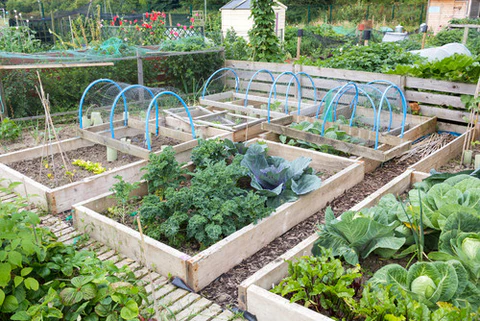
Some plant combinations are particularly well-suited to small gardens. Here are a few proven options to try:
- Tomatoes and basil: Basil can help deter pests and enhance tomato flavor, while both thrive in similar conditions.
- Carrots and onions: Onions repel carrot flies, and their roots occupy different soil levels, minimizing competition.
- Lettuce and radishes: Radishes grow quickly and can be harvested before lettuce needs more space.
- Beans and corn: Beans climb corn stalks, saving space and fixing nitrogen for the corn.
- Peppers and marigolds: Marigolds deter nematodes and aphids, protecting pepper plants.
Experiment with these pairings, but also consider your local climate and available sunlight. For more inspiration on integrating herbs into your setup, see the modern homesteading herbal garden ideas for creative combinations.
Container and Vertical Gardening Strategies
One of the strengths of small-space companion planting is its adaptability to containers and vertical structures. Here are some practical tips:
- Use tiered planters: Stackable containers let you grow multiple crops in the same footprint.
- Install trellises: Support vining crops like peas or cucumbers to free up ground space for low-growing companions.
- Mix root and leafy crops: Plant carrots or beets beneath taller greens to maximize soil depth.
- Rotate crops: Change plant locations each season to prevent disease buildup and maintain soil fertility.

Common Mistakes and How to Avoid Them
Even experienced gardeners can run into challenges when working with limited space. Here are some pitfalls to watch for:
- Overcrowding: Too many plants can compete for light and nutrients, leading to stunted growth. Follow spacing guidelines for each crop.
- Poor drainage: Containers without adequate drainage can cause root rot. Use pots with holes and well-draining soil mixes.
- Ignoring plant needs: Not all plants have the same water, light, or nutrient requirements. Group crops with similar needs together.
- Neglecting crop rotation: Replanting the same crops in the same spot each year can encourage pests and diseases.
For those just starting out, reviewing the modern homesteading beginner mistakes can help you avoid common errors and set your garden up for success.
Resources for Further Learning
If you want to dive deeper into the principles behind this approach or explore other homesteading topics, there are plenty of resources available. The introduction to modern homesteading podcast offers expert interviews and tips for making the most of your space, whether you’re gardening, raising animals, or building community resilience.
Additionally, budgeting and planning are key to any successful homestead. For practical advice, check out the modern homesteading budgeting tips to help you make the most of your resources.
Frequently Asked Questions
What are the best vegetables for small-space companion planting?
Leafy greens (like lettuce and spinach), root crops (such as carrots and radishes), tomatoes, peppers, beans, and herbs (basil, chives, parsley) are all excellent choices. These crops tend to have compatible growth habits and can be combined in containers or raised beds for efficient use of space.
How do I prevent pests without chemicals in a compact garden?
Choose plant pairings that naturally deter pests, such as marigolds with tomatoes or onions with carrots. Incorporate flowers that attract beneficial insects, and rotate crops each season. Good airflow and regular monitoring also help keep problems in check.
Can I practice companion planting indoors or on a balcony?
Absolutely. Many container-friendly crops thrive indoors or on balconies. Use deep pots for root vegetables, trellises for climbing plants, and group crops with similar light and water needs. LED grow lights can supplement sunlight for indoor gardens.
How do I know which plants grow well together?
Research traditional companion planting charts, experiment with classic pairings, and observe how your plants respond. Start with proven combinations and adjust based on your space, climate, and personal preferences.
By applying these strategies, even the smallest garden can become a productive and beautiful space. With thoughtful planning and the right plant partnerships, you’ll enjoy healthier crops, fewer pests, and a more rewarding gardening experience.