Making the most of a compact outdoor area or balcony requires thoughtful preparation and the right strategies. Small-space garden planning is about maximizing productivity, beauty, and enjoyment, even when you have limited square footage. Whether you’re growing vegetables, herbs, or flowers, a well-organized approach helps you avoid common pitfalls and ensures your efforts pay off. This article covers the core principles, practical tips, and essential tools to help you create a thriving garden in tight quarters.
If you’re interested in broader homesteading topics, such as fencing, herbal gardens, or budgeting for your backyard projects, you might also appreciate the modern homesteading fencing guide for additional inspiration and practical advice.
Why Efficient Use of Space Matters in Urban Gardening
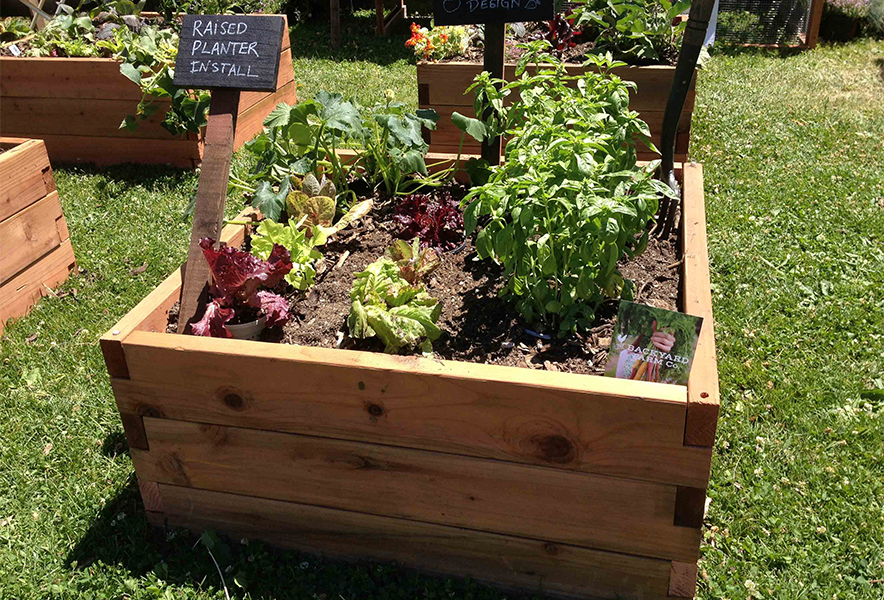
Urban and suburban environments often mean working with patios, balconies, or small yards. Small-space garden planning ensures that every inch is used wisely. This approach not only increases yields but also makes maintenance easier and more enjoyable. By focusing on vertical growth, container gardening, and intensive planting methods, you can harvest more from less space.
The principles of compact gardening are also valuable for those interested in modern homesteading practices, where resourcefulness and sustainability go hand in hand.
Assessing Your Space and Sunlight
Start by measuring your available area. Take note of sunlight patterns throughout the day, as most edible plants need at least 6 hours of direct sun. Observe potential obstacles like walls, fences, or overhangs that might cast shade. If your space receives less sunlight, focus on shade-tolerant crops or consider supplemental lighting.
Sketching a simple layout helps visualize where containers, raised beds, or vertical supports will fit. Remember to leave room for walking paths and easy access to all plants for watering and harvesting.
Choosing the Right Containers and Beds
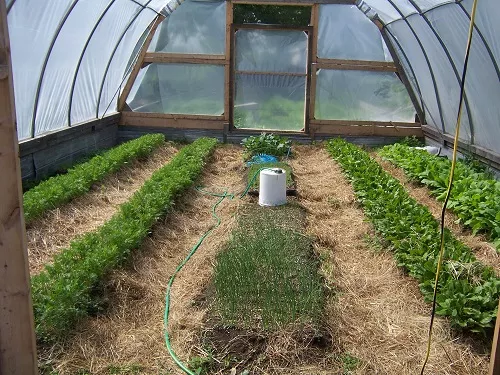
Selecting suitable containers is crucial for success in a limited area. Raised beds, window boxes, and fabric grow bags are all excellent options. Each type has its own advantages:
- Raised beds offer deep soil and good drainage, making them ideal for vegetables and root crops.
- Fabric grow bags are lightweight, portable, and allow for excellent root aeration.
- Traditional pots and planters are versatile and can be moved to chase the sun as needed.
When selecting containers, ensure they have adequate drainage holes. Use high-quality potting mix, as soil in small containers dries out faster and needs to retain moisture while providing nutrients.
Vertical Gardening Techniques for Compact Spaces
Making use of vertical space is a cornerstone of small-space garden planning. Trellises, wall-mounted planters, and hanging baskets allow you to grow upwards instead of outwards. This is especially effective for vining crops like tomatoes, cucumbers, peas, and pole beans.
- Install sturdy trellises or netting for climbing plants.
- Use shelves or plant stands to stack pots at different heights.
- Hang baskets from railings or overhead beams for trailing herbs and flowers.
Vertical gardening not only increases your planting area but also improves air circulation and makes harvesting easier.
Smart Plant Selection for Limited Areas
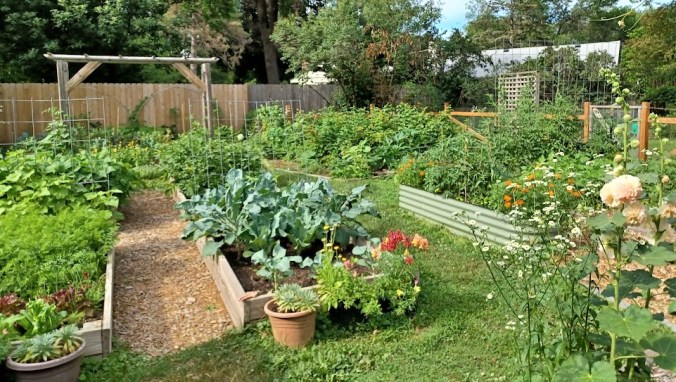
Choosing compact, productive varieties is key when space is at a premium. Look for bush or dwarf cultivars of tomatoes, peppers, and beans. Leafy greens, herbs, radishes, and salad crops are well-suited to containers and can be harvested multiple times throughout the season.
- Grow cut-and-come-again lettuces and spinach for continuous harvests.
- Opt for determinate tomatoes and patio peppers that stay small but yield well.
- Mix herbs like basil, chives, and parsley with flowers to attract pollinators and save space.
Succession planting—sowing new crops as soon as space becomes available—keeps your garden productive from spring through fall.
Soil, Watering, and Fertilizing Tips
Healthy soil is the foundation of any successful garden, especially in containers. Use a mix designed for pots, enriched with compost or slow-release organic fertilizer. Monitor moisture levels closely, as small containers dry out quickly, especially in warm weather.
- Water deeply but less frequently to encourage strong root growth.
- Mulch the surface with straw or bark to retain moisture and suppress weeds.
- Feed plants regularly with a balanced liquid fertilizer, following package instructions.
Consider installing a simple drip irrigation system or self-watering containers to reduce daily maintenance.
Maximizing Productivity with Intensive Planting
Intensive planting methods, such as square foot gardening, allow you to grow more in less space. By spacing plants closely, you shade out weeds and make the most of available nutrients and water.
- Group plants with similar water and sunlight needs together.
- Rotate crops each season to prevent soil depletion and reduce pest problems.
- Interplant fast-growing crops (like radishes) with slower ones (like carrots) to use every inch efficiently.
For more ideas on integrating herbs and edible plants into your homestead, check out these modern homesteading herbal garden ideas.
Common Mistakes to Avoid in Small-Space Gardening
Even experienced gardeners can run into challenges when working with limited space. Here are a few pitfalls to watch out for:
- Overcrowding plants, which can lead to poor air circulation and disease.
- Neglecting drainage, resulting in root rot.
- Choosing varieties that outgrow your containers or space.
- Forgetting to fertilize or water consistently.
Learning from others’ experiences can help you avoid these issues. If you’re new to homesteading and gardening, you may find it helpful to review modern homesteading beginner mistakes to avoid.
Frequently Asked Questions
What are the best vegetables for small gardens?
Leafy greens (lettuce, spinach), radishes, bush beans, cherry tomatoes, peppers, and most herbs are excellent choices. Look for compact or dwarf varieties that thrive in containers or raised beds.
How can I improve yields in a tiny garden?
Use vertical supports, practice succession planting, and choose high-yield crops. Intensive planting methods and regular feeding can also boost productivity in limited areas.
Do I need special soil for container gardening?
Yes, use a high-quality potting mix formulated for containers. Regular garden soil is often too dense and may not drain well, leading to poor plant health.
Conclusion
With careful small-space garden planning, even the tiniest balcony or patio can become a productive and beautiful retreat. By choosing the right containers, making use of vertical space, and selecting suitable crops, you’ll enjoy fresh produce and flowers throughout the season. For those looking to expand their homesteading skills, exploring topics like budgeting for your backyard projects can further enhance your self-sufficiency and enjoyment of the gardening lifestyle.