Building a sustainable lifestyle in today’s world often means going beyond individual effort. The journey toward self-reliance is most rewarding—and achievable—when supported by a strong, engaged network. This modern homesteading community support guide explores how to foster meaningful connections, share resources, and thrive together, whether you’re new to homesteading or looking to deepen your roots.
Community support is the backbone of successful homesteading. From exchanging skills to sharing harvests, having a reliable circle can make all the difference. If you’re interested in learning more about reviving traditional skills, don’t miss our detailed resource on modern homesteading traditional skills revival for practical tips and inspiration.
Why Community Matters in Modern Homesteading
Homesteading today is as much about people as it is about land and resources. While self-sufficiency is a core goal, no one can master every skill or anticipate every challenge alone. A supportive network provides:
- Knowledge exchange—learn from others’ successes and mistakes.
- Resource sharing—swap seeds, tools, or livestock to reduce costs.
- Emotional support—find encouragement during setbacks and celebrate progress together.
- Resilience—communities can better weather emergencies or shortages.
Whether you’re growing food, raising animals, or experimenting with renewable energy, a collaborative approach multiplies your chances of success.
Building Your Homesteading Network
Establishing a strong support system starts locally but can extend far beyond your immediate neighborhood. Here’s how to get started:
Connect with Local Homesteaders
Start by reaching out to others in your area who share your interests. Attend farmers’ markets, community gardens, or agricultural fairs. These venues are great for meeting like-minded people and discovering local resources.
Consider joining or forming a homesteading club. Regular meetups encourage skill-sharing and can lead to lasting friendships. Online forums and social media groups focused on your region can also be valuable for exchanging advice and organizing events.
Leverage Online Communities
The internet has made it easier than ever to connect with homesteaders worldwide. Join forums, Facebook groups, and subreddits dedicated to sustainable living, gardening, and livestock care. These platforms offer a wealth of information and a place to ask questions, share experiences, and find support.
For a comprehensive overview of what homesteading entails and how to get started, check out this in-depth guide to homesteading that covers essential concepts and practical steps.
Skill Sharing and Bartering in Community Support
One of the most powerful aspects of a homesteading network is the ability to share skills and resources. Not everyone needs to be an expert in every area. By collaborating, you can:
- Trade produce, eggs, or homemade goods for services like carpentry or animal care.
- Organize workshops on canning, cheese making, or composting.
- Host seed swaps or tool lending libraries to reduce expenses and waste.
Bartering is a time-honored tradition that fits perfectly with the homesteading ethos. For creative ideas on how to start, see our modern homesteading bartering ideas guide.
Practical Ways to Support Each Other
Community support can take many forms, from simple gestures to organized initiatives. Here are some practical ideas:
- Work parties: Gather neighbors for a day of planting, harvesting, or building. Rotate locations to help everyone benefit.
- Shared equipment: Pool funds to buy expensive tools or machinery that can be used by the group.
- Emergency assistance: Create a phone tree or messaging group for quick help during storms, animal escapes, or health crises.
- Childcare swaps: Take turns watching children so parents can focus on big projects.
These efforts not only lighten the workload but also strengthen bonds and foster a sense of belonging.
Learning Together: Workshops and Education
Continuous learning is key to successful homesteading. Organize or attend workshops on topics like permaculture, food preservation, or animal husbandry. Invite local experts or experienced homesteaders to share their knowledge.
Consider forming study groups or book clubs focused on sustainability and self-sufficiency. Learning together keeps motivation high and ensures everyone benefits from new information.
Celebrating Success and Sharing Abundance
Homesteading is hard work, but it’s also deeply rewarding. Celebrate milestones—whether it’s a bumper crop, the birth of new livestock, or the completion of a big project. Host seasonal potlucks or harvest festivals to bring people together and share the fruits of your labor.
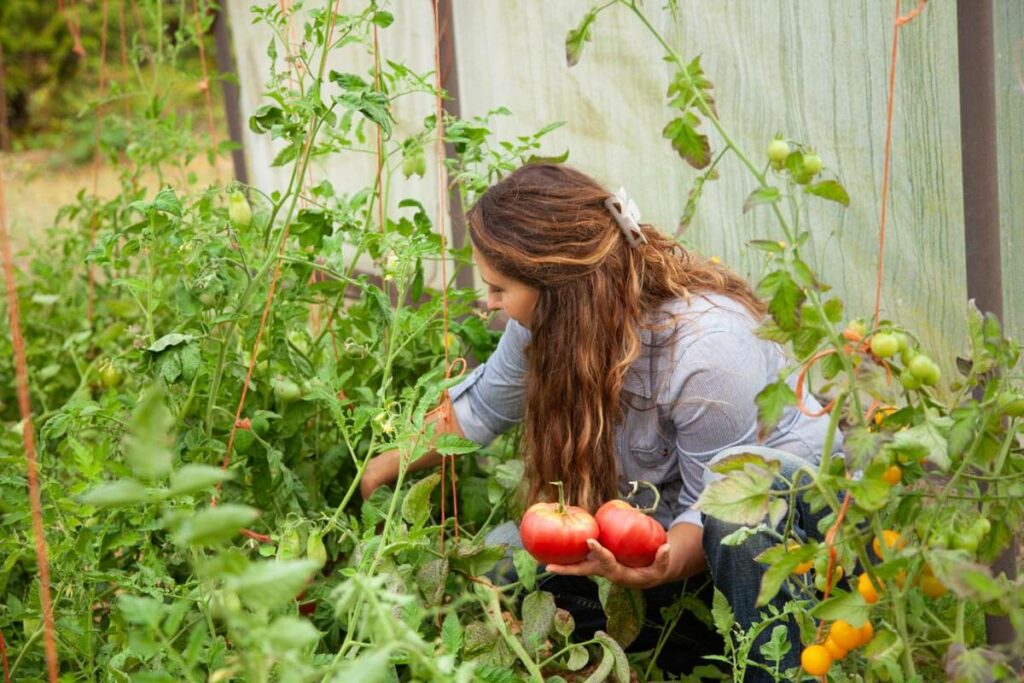
Sharing abundance not only reduces waste but also reinforces the spirit of generosity that keeps communities thriving.
Adapting to Urban and Suburban Settings
Community support isn’t limited to rural areas. Urban and suburban homesteaders can benefit just as much from networking and collaboration. Rooftop gardens, community plots, and neighborhood co-ops are excellent ways to practice self-sufficiency in smaller spaces. For tips on maximizing your space, see our modern homesteading rooftop gardening guide and modern homesteading efficient space planning resource.
Planning for Long-Term Sustainability
As your network grows, consider formalizing your efforts. Create a shared calendar for planting and harvesting, set up a community newsletter, or establish a local seed bank. These steps help ensure the longevity and resilience of your group.
Document your successes and challenges so future members can learn from your experiences. Encourage open communication and regular check-ins to keep everyone engaged and informed.
Frequently Asked Questions
How can I find other homesteaders in my area?
Start by visiting local farmers’ markets, agricultural fairs, or community gardens. You can also search online for regional homesteading groups on social media or specialized forums. Don’t hesitate to introduce yourself and ask about local meetups or clubs.
What are some effective ways to share resources within a homesteading community?
Consider organizing tool libraries, seed swaps, or produce exchanges. Work parties and skill-sharing workshops are also great for pooling resources and knowledge. Communication is key—use group chats or bulletin boards to coordinate efforts and share needs.
Is it possible to build a supportive homesteading network in a city?
Absolutely. Urban homesteaders can connect through community gardens, rooftop projects, and local sustainability groups. Online communities are also invaluable for city dwellers seeking advice and support. Collaboration and creativity are just as important in urban settings as in rural ones.
Conclusion
Homesteading is a journey best traveled with others. By building a strong network, sharing skills, and supporting each other, you can create a more resilient and rewarding lifestyle. Use this modern homesteading community support guide as a starting point to connect, learn, and grow—together.