
Creating reliable, energy-independent shelters for animals is a top concern for homesteaders and small farmers living in remote areas. When severe weather strikes—be it blizzards, heatwaves, or torrential rain—livestock and poultry need safe, comfortable housing that doesn’t rely on grid power. This guide explores practical off-grid animal shelter ideas that help protect your animals from the elements, conserve resources, and support a sustainable lifestyle.
Whether you’re new to self-sufficient living or looking to upgrade your current setup, you’ll find actionable strategies for building and maintaining robust shelters. For a broader look at caring for animals without grid access, check out off-grid livestock care for essential practices and tips.
Why Shelter Design Matters in Extreme Climates
Animals are vulnerable to temperature swings, wind, and moisture. A well-designed shelter not only shields them from snow, ice, and heat but also reduces stress and disease risk. For those living off the grid, it’s crucial to use passive design principles, natural materials, and renewable energy sources to ensure year-round comfort without relying on external utilities.
Passive Heating and Cooling Techniques
One of the most effective ways to keep animals safe in harsh weather is by harnessing passive energy. Here are some proven methods:
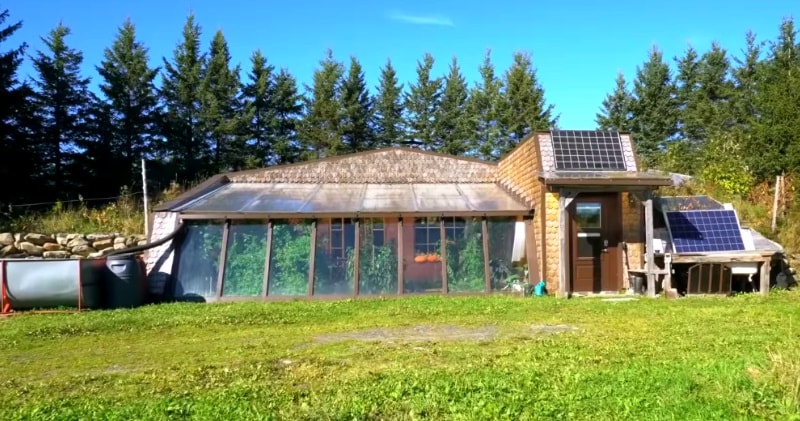
- Earth Berming: Partially burying a shelter or building into a hillside uses the earth’s stable temperature to buffer against cold and heat.
- Thermal Mass: Thick walls made from stone, adobe, or cob absorb heat during the day and release it at night, moderating interior temperatures.
- South-Facing Windows: For cold climates, orienting windows to the south maximizes solar gain in winter while overhangs or deciduous trees provide shade in summer.
- Natural Ventilation: Ridge vents, operable windows, and high-low vent placement allow hot air to escape and cool air to circulate, reducing heat stress in summer.
Materials for Durable, Energy-Efficient Shelters
Choosing the right building materials is key to creating resilient animal housing. Here are some options favored by off-grid homesteaders:
- Reclaimed Wood: Salvaged lumber is cost-effective, eco-friendly, and provides good insulation when properly treated.
- Earthbags and Cob: These natural materials offer excellent thermal mass and are ideal for DIYers looking to build from scratch.
- Metal Roofing: Durable and long-lasting, metal roofs shed snow and rain efficiently, reducing maintenance.
- Polycarbonate Panels: For greenhouses or chicken coops, these panels let in light while providing weather resistance.
Many homesteaders combine these materials to balance cost, availability, and performance. For a step-by-step approach to starting your own sustainable setup, see how to start an off-grid homestead.
Renewable Energy Solutions for Animal Housing
While passive strategies go a long way, some situations call for supplemental energy. Here are practical ways to power essentials without grid dependence:
- Solar Panels: Use small solar arrays to run automatic waterers, ventilation fans, or electric fencing.
- Wind Turbines: In windy regions, compact turbines can provide backup power for lighting or heated water bowls.
- Thermosiphon Water Heaters: These systems use solar energy to keep water from freezing, crucial for livestock in winter.
- Battery Banks: Store excess energy for nighttime or cloudy days to keep critical systems running.
Layout and Placement Tips for Maximum Protection
The location and orientation of your animal shelters can make a significant difference in weather resilience. Consider these tips:
- Windbreaks: Plant rows of trees or install fences to shield shelters from prevailing winds and drifting snow.
- Elevated Foundations: Building on high ground or raised platforms helps prevent flooding and keeps bedding dry.
- Easy Access: Position shelters close to your home or main path for quick checks during storms.
- Group Housing: Animals generate warmth together, so communal shelters can be more efficient in cold climates.
Low-Tech Shelter Ideas for Off-Grid Homesteads
Not every solution requires advanced technology. Many off-grid animal shelter ideas rely on simple, time-tested designs:
- Deep Litter Bedding: Layer straw or wood shavings to create insulation and natural composting heat in coops and barns.
- Portable Hoop Houses: PVC or metal hoops covered with tarps or greenhouse plastic make flexible, movable shelters for poultry or goats.
- Earthship-Inspired Barns: Structures using recycled tires, bottles, and earth can be adapted for animal use, offering superior insulation.
- Stacked Hay Bale Walls: Temporary but effective, hay bales block wind and cold and can be rearranged as needed.
For more inspiration on sustainable living, see the off-grid homesteading for beginners guide, which covers foundational skills and planning.
Maintenance and Seasonal Preparation
Even the best shelter design needs regular upkeep to remain effective. Here’s how to keep your animal housing in top shape:
- Inspect roofs and walls for leaks, drafts, or damage before each season.
- Clean and refresh bedding frequently to prevent moisture buildup and disease.
- Test solar or wind-powered systems monthly to ensure reliable operation.
- Stockpile extra feed, water, and bedding in case of extended storms or supply interruptions.
If you’re just starting your journey, the ultimate guide to starting a frugal off-grid homestead offers a comprehensive roadmap for beginners.
Frequently Asked Questions
What is the best way to insulate an off-grid animal shelter?
Using natural materials like straw bales, earthbags, or cob provides excellent insulation. Deep litter bedding also helps retain warmth, especially in poultry houses. For more extreme climates, combining thick walls with windbreaks and passive solar design is highly effective.
How can I provide water for animals during winter without electricity?
Thermosiphon solar water heaters and insulated troughs can keep water from freezing. In very cold areas, rotating buckets and manually breaking ice may be necessary. Positioning waterers in sunlit, sheltered spots also helps.
Are there affordable options for building animal shelters off the grid?
Yes, many homesteaders use reclaimed wood, salvaged materials, and DIY designs like hoop houses or hay bale structures to minimize costs. Community swaps and local classifieds are great sources for free or low-cost building supplies.
For more on growing your own food and supporting animal health, see the growing food off-grid guide for practical tips.