Embarking on a journey toward modern homesteading small farm planning is both exciting and rewarding. Whether you’re dreaming of self-sufficiency, a closer connection to nature, or simply a more sustainable lifestyle, careful preparation is essential. Today’s homesteaders blend traditional wisdom with modern techniques, focusing on efficiency, sustainability, and adaptability. This guide covers the key steps to create a thriving small farm, from setting goals and designing your land to managing resources and building a resilient homestead.
Before diving into the details, it’s important to recognize that every homestead is unique. Your location, climate, resources, and personal goals will shape your approach. By understanding the core principles and tailoring them to your situation, you can build a small farm that meets your needs and stands the test of time. For those interested in optimizing their property’s boundaries and animal enclosures, the modern homesteading fencing guide offers practical advice on secure and sustainable fencing solutions.
Setting Your Homesteading Goals and Vision
The foundation of any successful small farm is a clear vision. Start by defining your long-term objectives. Are you aiming for complete self-sufficiency, supplemental income, or simply a healthier lifestyle? Consider your family’s needs, available time, and desired level of commitment. Write down your goals and revisit them regularly to stay focused and motivated.
Some common objectives for modern homesteaders include:
- Producing fresh, organic food for personal consumption
- Raising livestock for dairy, eggs, or meat
- Growing medicinal and culinary herbs
- Reducing reliance on external resources
- Creating a profitable small-scale farm business
By clarifying your vision, you’ll be better equipped to make decisions about land use, infrastructure, and daily routines.
Land Assessment and Layout Strategies
A thorough assessment of your property is vital for effective small farm planning. Begin by mapping your land, noting features such as soil types, water sources, sunlight patterns, and existing vegetation. This information will help you determine the best locations for gardens, animal shelters, orchards, and other essential elements.
Key considerations for land layout include:
- Water management: Plan for rainwater collection, irrigation, and drainage to prevent erosion and maximize efficiency.
- Soil health: Test your soil and amend as needed to support healthy crops and pasture.
- Sun exposure: Position gardens and greenhouses where they receive optimal sunlight.
- Wind protection: Use natural barriers or plant windbreaks to shield crops and animals.
- Accessibility: Design pathways and access points to minimize labor and improve workflow.
A well-thought-out layout not only boosts productivity but also enhances the overall sustainability of your homestead.
Choosing the Right Crops and Livestock
Selecting what to grow and raise is a central part of modern homesteading small farm planning. Your choices should reflect your goals, climate, and available resources. Start small and expand gradually as you gain experience.
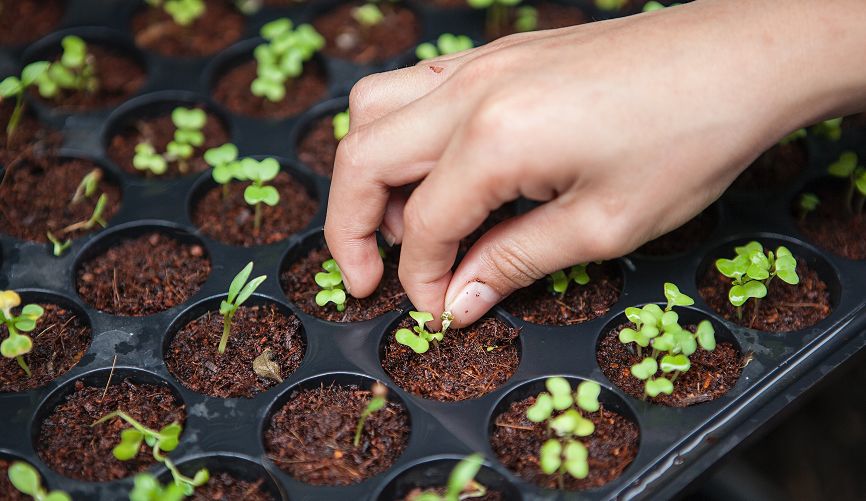
For crops, consider a mix of annual vegetables, perennial fruits, and herbs. Focus on varieties that thrive in your region and provide high yields. Companion planting and crop rotation can help maintain soil fertility and reduce pest problems.
When it comes to livestock, research breeds suited to your climate and space. Chickens, ducks, goats, and rabbits are popular options for small farms. Each animal has specific needs for housing, feed, and care, so plan accordingly. For those interested in dairy production, the modern homesteading backyard dairy basics resource offers a helpful introduction.
Building Infrastructure and Essential Systems
Infrastructure is the backbone of any productive homestead. Prioritize projects that provide immediate benefits and support your core activities. Common structures and systems include:
- Raised garden beds or in-ground plots
- Compost bins and soil amendment stations
- Animal shelters and secure fencing
- Tool storage and workspaces
- Water collection and irrigation systems

Invest in quality materials where it counts, but don’t overlook creative, low-cost solutions. Repurposing materials and building incrementally can help manage expenses. For more ideas on managing costs, explore the modern homesteading budgeting tips guide.
Resource Management and Sustainability Practices
Effective resource management is at the heart of a resilient homestead. Adopt sustainable practices to conserve water, build soil health, and reduce waste. Key strategies include:
- Composting kitchen and garden waste
- Rotating crops and integrating cover crops
- Using mulch to retain moisture and suppress weeds
- Implementing rotational grazing for livestock
- Harvesting rainwater and optimizing irrigation
By focusing on regenerative methods, you’ll create a more productive and environmentally friendly farm. For those interested in herbal cultivation, the modern homesteading herbal garden ideas article provides inspiration for integrating herbs into your landscape.
Learning, Adapting, and Avoiding Common Pitfalls
No two homesteads are alike, and challenges are inevitable. Continuous learning and adaptability are crucial for long-term success. Seek out reliable resources, connect with local farmers, and don’t be afraid to experiment. Mistakes are part of the process, but they offer valuable lessons.
To help you avoid common setbacks, review the modern homesteading beginner mistakes guide. By learning from others’ experiences, you can sidestep avoidable errors and accelerate your progress.
For additional insight into the philosophy and evolution of today’s homesteads, the article What Is a Modern Homestead? offers a thoughtful overview of how traditional values blend with contemporary approaches.
Frequently Asked Questions
What is the first step in planning a small farm for modern homesteading?
Begin by clarifying your goals and assessing your land. Identify your priorities, available resources, and any limitations. Mapping your property and understanding its features will help you make informed decisions about layout and infrastructure.
How can I make my small farm more sustainable?
Focus on resource conservation, soil health, and regenerative practices. Composting, crop rotation, water harvesting, and integrating livestock with plant systems all contribute to a more sustainable and productive homestead.
What are common mistakes to avoid when starting a homestead?
Overextending yourself, neglecting soil health, and failing to plan for water management are frequent pitfalls. Start small, learn continuously, and adapt your approach as you gain experience. Consulting guides on beginner mistakes can help you avoid costly errors.