Sprouts and microgreens have become popular choices for home gardeners and health-conscious eaters alike. While both are young forms of edible plants, there are significant distinctions in how they are grown, harvested, and used. Understanding the difference between sprouts and microgreens can help you decide which is better suited for your needs, whether you’re looking to boost your nutrition, add flavor to dishes, or start a simple gardening project indoors.
For those interested in growing their own greens, learning about these differences is essential. If you’re just starting out, you might also want to explore the best microgreens to grow indoors for beginners, which can help you choose the right varieties and methods for your space.
What Are Sprouts?
Sprouts are the first stage of a plant’s life, harvested just a few days after germination. They are grown by soaking seeds in water and then rinsing them several times a day until they sprout. This process typically takes between two and seven days, depending on the seed type and environmental conditions.
- Common types: Alfalfa, mung bean, lentil, radish, broccoli, and clover.
- Growing method: No soil required; seeds are usually grown in jars or sprouting trays with frequent rinsing.
- Edible parts: The entire sprout is consumed, including the root, seed, and shoot.
Sprouts are often used in salads, sandwiches, and as a crunchy topping for various dishes. They are valued for their crisp texture and mild flavor.
Understanding Microgreens
Microgreens are slightly older than sprouts, harvested after the first true leaves (cotyledons) have developed, usually within 7 to 21 days of sowing. They are grown in soil or a soilless medium and require light to develop their characteristic flavors and colors.
- Popular varieties: Sunflower, pea shoots, radish, arugula, basil, and beet greens.
- Growing method: Seeds are sown densely in shallow trays filled with soil or a growing mat, then watered and exposed to light.
- Edible parts: Only the stem and leaves are harvested; roots are left behind.
Microgreens are known for their vibrant appearance and intense flavors, making them a favorite garnish for chefs and home cooks alike. If you’re interested in cultivating these nutrient-packed greens, check out this guide on how to grow microgreens at home.

Key Differences Between Sprouts and Microgreens
While both sprouts and microgreens are harvested at an early stage, several factors set them apart. Understanding these differences can help you choose the right option for your kitchen or garden.
| Aspect | Sprouts | Microgreens |
|---|---|---|
| Growing Medium | Water (no soil) | Soil or soilless substrate |
| Harvest Time | 2–7 days | 7–21 days |
| Light Requirement | Not needed | Essential for growth |
| Edible Parts | Seed, root, shoot | Stem and leaves only |
| Flavor | Mild, sometimes nutty | More intense, varies by type |
| Nutrition | Rich in enzymes, vitamins | Higher in vitamins, minerals, and antioxidants |
| Food Safety | Higher risk of contamination | Lower risk if grown properly |
Nutrition and Health Benefits
Both sprouts and microgreens are considered superfoods due to their high nutrient content. However, microgreens often contain higher concentrations of vitamins, minerals, and antioxidants compared to their mature counterparts and even to sprouts. For example, studies have shown that microgreens can have up to 40 times more nutrients than fully grown plants.
Sprouts are an excellent source of enzymes, vitamin C, and B vitamins. They are easy to digest and can help support gut health. Microgreens, on the other hand, are packed with vitamins A, C, E, and K, as well as minerals like iron, magnesium, and potassium. Their vibrant colors also indicate a rich supply of phytonutrients and antioxidants.
For those interested in alternative growing methods, you might want to learn about hydroponic gardening for beginners or even explore how to grow vegetables without soil.
Safety Considerations
Food safety is an important factor when comparing these two greens. Sprouts are grown in warm, moist environments that can encourage the growth of harmful bacteria such as E. coli and Salmonella. Proper rinsing and using clean equipment are essential, but there is still a higher risk of contamination.
Microgreens are generally safer because they are grown in soil or a sterile medium and harvested above the soil line. Good hygiene practices and using clean water for irrigation further reduce the risk of foodborne illness. Always wash microgreens before eating, especially if grown outdoors.

Which Should You Grow or Eat?
Choosing between sprouts and microgreens depends on your goals, available space, and personal preferences. If you want a quick harvest and minimal setup, sprouts are easy to grow on a kitchen counter with just a jar and some seeds. However, if you prefer more flavor, color, and higher nutritional value, microgreens are a better choice. They do require a bit more space and light, but the results are worth it.
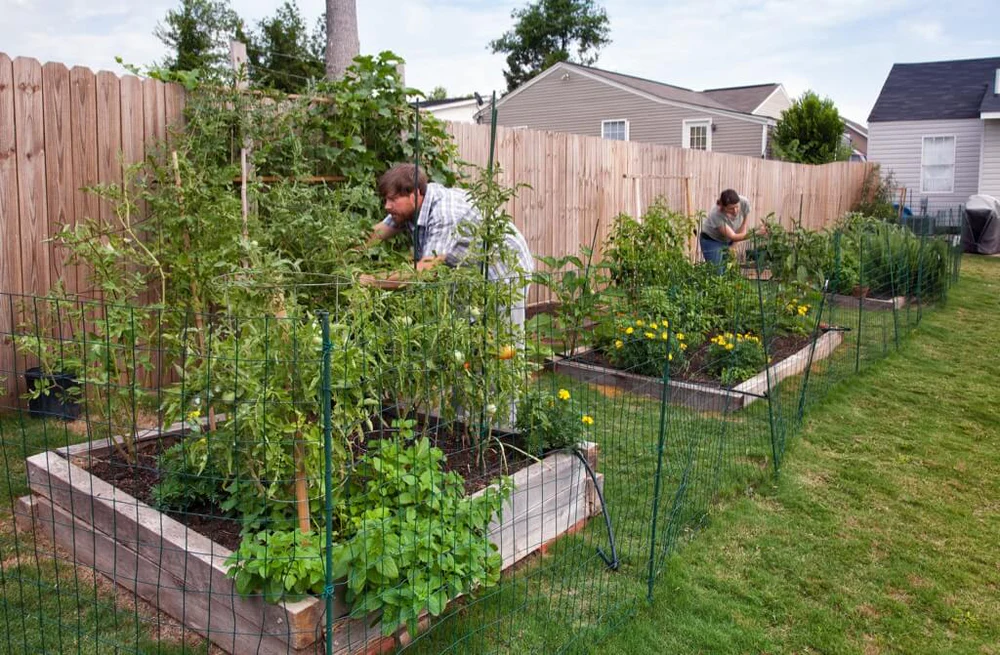
For those interested in maximizing yield and efficiency, raised beds can be an excellent solution. Learn more about how to start a small vegetable garden using raised beds and other modern techniques.
If you’re curious about advanced growing systems, you might also explore aeroponic gardening basics to see how food can be grown in air with minimal resources.
Tips for Success with Sprouts and Microgreens
- Use quality seeds: Always choose seeds labeled for sprouting or microgreen use to avoid chemical treatments.
- Maintain cleanliness: Sterilize jars, trays, and tools before use to reduce contamination risks.
- Monitor moisture: Sprouts need frequent rinsing, while microgreens require consistent but not soggy soil moisture.
- Harvest at the right time: Sprouts are ready when the root and shoot have emerged; microgreens should be cut after the first true leaves appear.
- Store properly: Keep harvested greens in the refrigerator and consume within a few days for best quality.
Frequently Asked Questions
Are microgreens healthier than sprouts?
Microgreens generally contain higher concentrations of vitamins, minerals, and antioxidants compared to sprouts. However, both are nutritious and offer health benefits. The best choice depends on your dietary needs and taste preferences.
Can I grow both sprouts and microgreens indoors?
Yes, both can be grown indoors with minimal equipment. Sprouts require only a jar and water, while microgreens need a shallow tray, soil or a growing mat, and a source of light. Many people enjoy growing both for variety and nutrition.
Is there a difference in taste between sprouts and microgreens?
Yes, there is a noticeable difference. Sprouts tend to have a mild, sometimes nutty flavor, while microgreens offer more intense and diverse flavors depending on the plant variety. Microgreens also add vibrant color and texture to dishes.
Conclusion
Understanding the difference between sprouts and microgreens can help you make informed decisions about what to grow and eat. Both offer unique advantages, from quick harvests to impressive nutrition and flavor. Whether you’re a beginner or an experienced gardener, experimenting with both can add variety and health benefits to your meals. For more ideas and tips, explore other resources on growing greens indoors and alternative gardening methods.