Getting the planting depth right is a key factor for successful vegetable gardening. Whether you’re starting your first garden or looking to improve your harvests, understanding how deep to plant vegetable seeds can make a significant difference in germination rates and healthy plant development. Planting too shallow can expose seeds to drying out or being eaten by birds, while sowing too deep may prevent them from sprouting altogether.
This guide covers the basics of seed depth, offers a handy reference chart, and provides practical tips to help you achieve strong, healthy seedlings. For those also interested in maximizing plant health and yield, check out how to space vegetable plants correctly for better growth alongside proper planting depth.
Why Seed Depth Matters in Vegetable Gardening
Planting depth is more than just a detail—it’s a crucial step in ensuring seeds have the best chance to germinate and grow. When seeds are placed at the proper depth, they have access to the right balance of moisture, warmth, and oxygen. Too shallow, and seeds risk drying out or being disturbed. Too deep, and seedlings may not have the energy to reach the surface.
The optimal depth varies by seed size and type. Large seeds like beans or peas need to be sown deeper, while tiny seeds such as lettuce or carrots should be barely covered. Following the recommended guidelines helps prevent common mistakes and sets up your garden for a productive season.
General Rules for How Deep to Plant Vegetable Seeds
While every seed packet provides specific instructions, there are some general principles to guide you:
- Seed size matters: As a rule of thumb, plant seeds at a depth about two to three times their diameter.
- Soil type influences depth: In heavy clay soils, plant a bit shallower; in sandy soils, you can go slightly deeper.
- Moisture retention: Seeds planted too close to the surface may dry out quickly, especially in hot or windy conditions.
- Light requirements: Some seeds, like lettuce, need light to germinate and should not be covered deeply.
For more advice on starting seeds and avoiding common pitfalls, see these seed starting tips for beginners.

Vegetable Seed Depth Chart: Quick Reference
Use this chart as a starting point for sowing common vegetables. Always check your seed packet for specific recommendations, as varieties can differ.
| Vegetable | Recommended Planting Depth | Notes |
|---|---|---|
| Carrot | 1/4 inch (6 mm) | Keep soil moist for even germination |
| Lettuce | 1/8 inch (3 mm) | Needs light to germinate; barely cover |
| Radish | 1/2 inch (12 mm) | Firm soil gently after sowing |
| Pea | 1–2 inches (2.5–5 cm) | Deeper in sandy soils |
| Bean (Bush/Pole) | 1–1.5 inches (2.5–4 cm) | Do not plant too deep in heavy soils |
| Spinach | 1/2 inch (12 mm) | Prefers cool soil |
| Tomato | 1/4 inch (6 mm) | Start indoors for best results |
| Cucumber | 1 inch (2.5 cm) | Warm soil speeds germination |
| Squash/Zucchini | 1 inch (2.5 cm) | Plant after frost danger passes |
| Onion (Seed) | 1/4 inch (6 mm) | Keep soil consistently moist |
| Beet | 1/2 inch (12 mm) | Thin seedlings after emergence |
For more ideas on easy crops and how to grow them, visit this beginner-friendly vegetable growing guide.
Tips for Planting Seeds at the Right Depth
- Read the packet: Always follow the instructions provided by the seed supplier for best results.
- Prepare the soil: Fine, loose soil helps seeds settle at the correct depth and improves germination.
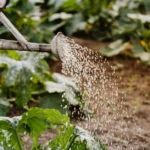
- Water gently: After sowing, water with a fine spray to avoid displacing seeds.
- Label rows: Mark your plantings to keep track of what’s sown and where.
- Monitor moisture: Use a soil moisture meter to ensure seeds stay damp but not waterlogged.
- Adjust for weather: In hot, dry climates, a slightly deeper planting may help retain moisture.
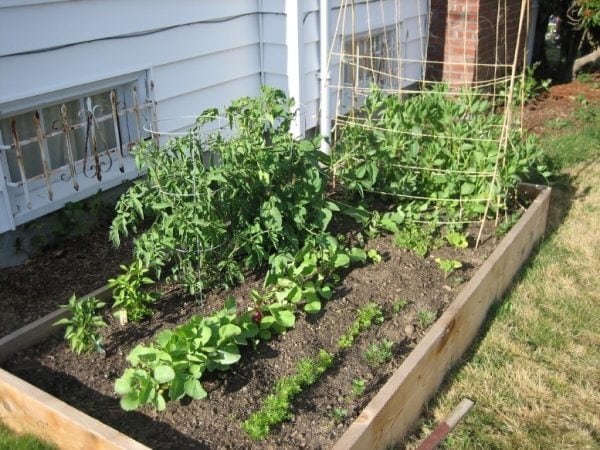
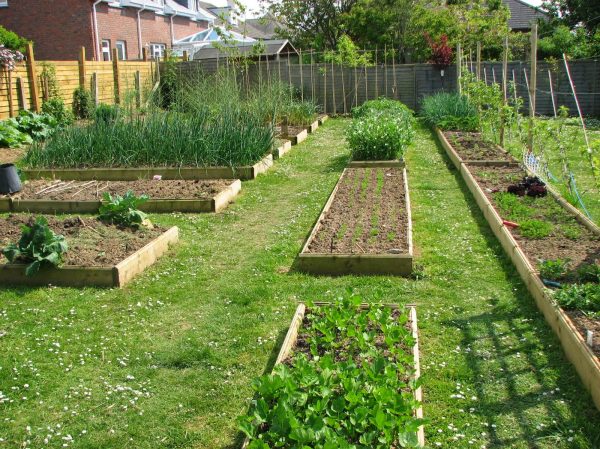
For those growing vegetables in containers or raised beds, you may need to adjust depth slightly based on the soil mix and drainage. If you want more advice on gardening in summer, see these summer vegetable gardening tips for success.
Common Mistakes When Sowing Vegetable Seeds
- Planting too deep: Small seeds struggle to break through heavy layers of soil.
- Planting too shallow: Seeds may dry out or be washed away by rain or watering.
- Ignoring soil type: Heavy clay soils require shallower planting than sandy soils.
- Poor soil preparation: Clumpy or compacted soil can prevent even coverage and germination.
- Skipping thinning: Crowded seedlings compete for resources, leading to weaker plants.
For winter gardening, certain vegetables can be sown in late summer or early fall. Explore more about winter vegetables to grow at home for fresh food year-round.
FAQ: Planting Depth and Seed Sowing
What happens if I plant seeds too deep?
If seeds are sown too deep, they may not have enough energy to push through the soil surface. This can result in poor germination or weak, leggy seedlings. Always follow recommended depths, especially for small-seeded crops.
Can I just scatter seeds on top of the soil?
Some very fine seeds, like lettuce or certain herbs, can be broadcast and lightly pressed into the soil. However, most vegetable seeds need to be covered to retain moisture and protect them from birds and wind. Check the specific requirements for each crop.
How do I know if my soil is suitable for seed planting?
Good seed-starting soil should be loose, well-draining, and free of large clumps. If you’re unsure, consider using a raised bed or high-quality potting mix. A soil moisture meter can help you monitor conditions for optimal germination.
Should I adjust planting depth in containers or raised beds?
Generally, the same depth guidelines apply, but you may need to adjust slightly if your soil is especially light or drains very quickly. Monitor moisture closely and avoid letting seeds dry out.
Conclusion
Knowing the right depth for sowing vegetable seeds is a simple but vital part of gardening success. By following the guidelines in this article and referencing the depth chart, you’ll give your seeds the best chance to thrive. Remember to consider seed size, soil conditions, and weather, and always check your seed packets for variety-specific advice. For more help with protecting your plants in challenging conditions, see how to protect plants from extreme heat.