Starting seeds at home is a rewarding way to grow healthy, productive plants from scratch. For those new to gardening, learning the right approach can make the difference between thriving seedlings and disappointing results. With a few essential seed starting tips for beginners, you can avoid common pitfalls and set your garden up for success. This guide covers practical advice, step-by-step strategies, and expert insights to help you nurture strong seedlings, whether you’re growing vegetables, herbs, or flowers.
Before diving into the essential tips, it’s helpful to understand the basics of indoor seed starting. If you want a comprehensive walkthrough, check out how to start seeds indoors for a detailed beginner’s guide. Now, let’s explore the most effective ways to get your seeds off to a great start and avoid the mistakes many first-timers make.
Choose the Right Seeds and Supplies
Success starts with selecting the appropriate seeds for your climate and growing season. Beginners should look for varieties labeled as “easy to grow” or “quick germination.” Avoid seeds that require complicated stratification or have long germination times until you gain more experience.
- Fresh seeds have higher germination rates. Check the seed packet date before planting.
- Use clean, sterile containers and trays to prevent disease.
- Opt for a quality seed starting mix rather than regular garden soil, which can harbor pests and pathogens.
Having the right tools—like a seed tray, humidity dome, and plant labels—will streamline the process and help you stay organized.
Understand Timing and Germination
One of the most frequent mistakes is starting seeds too early or too late. Each plant has an ideal window for sowing, which is usually listed on the seed packet. For most vegetables, count backward from your region’s last expected frost date to determine when to start seeds indoors.
Some crops, such as tomatoes and peppers, need a head start indoors, while others like beans and squash are best sown directly outdoors. Refer to a local planting calendar or resources like vegetable gardening basics for beginners to plan your schedule.
Use Proper Lighting for Healthy Seedlings
Light is crucial for strong, compact seedlings. Insufficient light leads to leggy, weak plants that struggle to thrive outdoors. Place trays in a south-facing window or, for best results, use grow lights positioned a few inches above the seedlings. Keep lights on for 14–16 hours daily and adjust the height as plants grow.

Maintain the Right Moisture Level
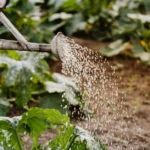
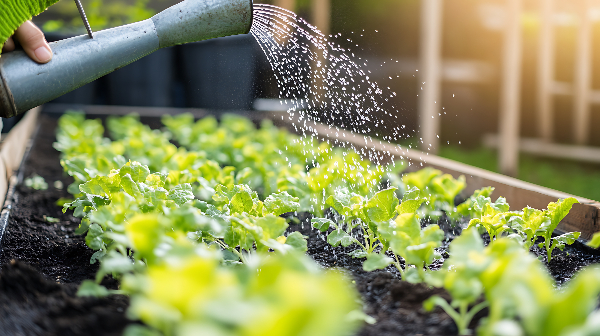
Consistent moisture is essential for germination, but overwatering is a common error. Keep the seed starting mix damp but not soggy. Use a spray bottle or gentle watering can to avoid disturbing seeds. Cover trays with a humidity dome until seeds sprout, then remove it to prevent fungal growth.
To check if your seedlings need water, touch the surface of the soil. If it feels dry, add water. Using a soil moisture meter can help you avoid both underwatering and overwatering.
Provide Adequate Warmth for Germination
Most seeds germinate best at temperatures between 65–75°F (18–24°C). If your home is cool, consider using a seedling heat mat to encourage faster, more uniform sprouting. Once the seeds have emerged, move them to a slightly cooler spot to prevent legginess.
Thin Seedlings to Prevent Overcrowding
It’s tempting to let every seedling grow, but overcrowding leads to weak, spindly plants. Once your seedlings develop their first set of true leaves, thin them out by snipping the extras at the soil line. This gives the remaining plants more space, light, and nutrients to develop strong roots and stems.
Fertilize Gently and Wisely
Seedlings don’t need fertilizer until they have at least one or two sets of true leaves. Start with a diluted, balanced liquid fertilizer (about one-quarter strength) every 1–2 weeks. Too much fertilizer can burn young roots, so err on the side of caution.
Harden Off Seedlings Before Transplanting
One of the most important seed starting tips for beginners is to acclimate your seedlings to outdoor conditions gradually. About a week before transplanting, begin placing trays outside in a sheltered spot for a few hours each day, gradually increasing their time outdoors. This process, called hardening off, helps prevent transplant shock and improves survival rates.
For more seasonal advice, see these summer vegetable gardening tips and learn how to protect young plants from temperature extremes.
Watch for Pests and Diseases
Even indoors, seedlings can fall victim to pests like fungus gnats or diseases such as damping off. To minimize problems:
- Use sterile seed starting mix and clean containers.
- Ensure good air circulation around seedlings.
- Avoid overwatering, which encourages fungal growth.
- Remove any affected plants promptly to prevent spread.
If you notice mold or wilting, act quickly to adjust your watering and improve ventilation.
Transplant Carefully for Best Results
When it’s time to move seedlings to the garden or a larger container, handle them gently by their leaves, not stems, to avoid damage. Transplant on a cloudy day or in the evening to reduce stress. Water thoroughly after planting and protect young plants from harsh weather using row covers or shade cloth if needed.
For tips on protecting your new transplants from late frosts, see how to protect plants from frost and ensure your efforts aren’t undone by sudden cold snaps.
Keep Learning and Adjusting Your Approach
Every gardening season is a chance to learn and improve. Keep notes on what works well and what doesn’t, and don’t be discouraged by setbacks. With each attempt, your confidence and success will grow. For winter crops, explore winter vegetables to grow at home and expand your gardening skills year-round.
Frequently Asked Questions
What is the best soil for starting seeds indoors?
Use a sterile, lightweight seed starting mix rather than garden soil. Seed starting mixes are designed to retain moisture while allowing good drainage and minimizing the risk of disease. Avoid using compost or heavy potting soil for germination.
How much light do seedlings need each day?
Seedlings require 14–16 hours of bright light daily. If you don’t have a sunny window, use fluorescent or LED grow lights placed a few inches above the plants. Insufficient light leads to weak, leggy growth.
Why are my seedlings falling over or rotting at the base?
This is often caused by a fungal disease called damping off, which thrives in overly wet, poorly ventilated conditions. Use sterile containers, avoid overwatering, and ensure good airflow to prevent this problem.
When should I transplant my seedlings outdoors?
Wait until seedlings have at least two sets of true leaves and outdoor temperatures are consistently above freezing. Harden off seedlings for a week before transplanting to help them adjust to outdoor conditions.
How can I avoid overwatering my seedlings?
Check the moisture level daily by touching the soil surface. Water only when the top layer feels dry. Using a soil moisture meter can help you monitor conditions and prevent both over- and underwatering.