Growing a productive vegetable garden during the hottest months requires a blend of planning, attention, and practical know-how. Whether you’re a seasoned gardener or just starting out, mastering a few summer vegetable gardening tips can make all the difference in your harvest. From choosing the right crops to managing heat and water, this guide covers the most effective strategies for thriving vegetables all season long.
Before diving into the details, it’s helpful to consider how summer gardening differs from other seasons. While winter crops focus on cold-hardy varieties, summer brings unique challenges like intense sun, rapid evaporation, and pest pressure. If you’re interested in extending your gardening season, you might also explore winter vegetables to grow at home for a year-round supply of fresh produce.
Choosing the Best Vegetables for Hot Weather
Not all crops thrive in the heat. Selecting varieties that are well-adapted to summer conditions is the first step toward a successful garden. Look for vegetables that tolerate high temperatures and resist bolting or wilting. Some of the most reliable options include:
- Tomatoes – Require full sun and consistent watering.
- Peppers – Both sweet and hot varieties love warmth.
- Eggplant – Thrives in hot, sunny spots.
- Okra – Extremely heat-tolerant and productive.
- Squash and Zucchini – Fast-growing and prolific in summer.
- Beans – Especially bush and pole beans, which mature quickly.
For gardeners in especially warm regions, check out this resource on best vegetables for hot climates to find heat-tolerant crops that are proven performers.
Soil Preparation and Mulching Techniques
Healthy soil is the foundation of any productive garden. During summer, soil can dry out quickly and lose nutrients. To give your vegetables the best start, follow these steps:
- Amend with compost before planting to boost fertility and water retention.
- Test soil moisture regularly. Using a soil moisture meter helps prevent over- or under-watering.
- Apply mulch (such as straw, shredded leaves, or grass clippings) around plants to keep roots cool, suppress weeds, and reduce evaporation.
Mulching is especially important for summer gardens, as it helps maintain even soil temperatures and reduces the frequency of watering. A thick layer (2–3 inches) is usually sufficient for most crops.
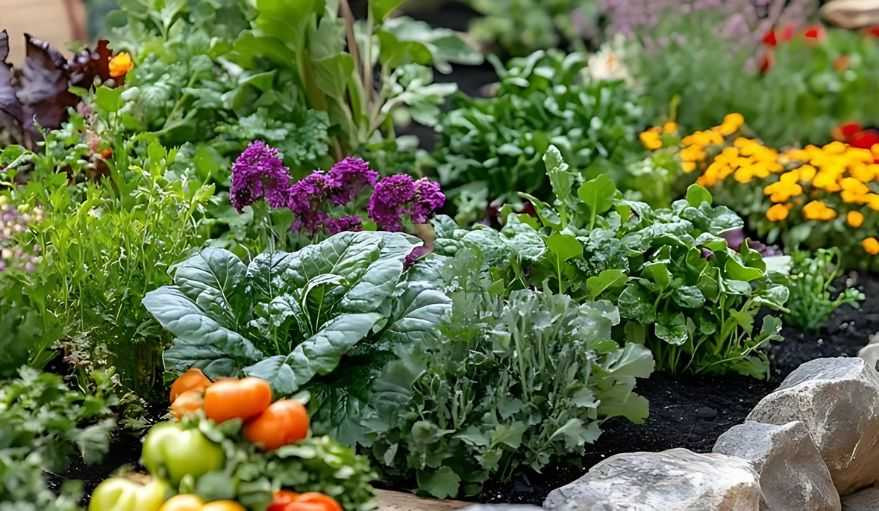
Watering Strategies for Summer Gardens
Proper hydration is critical during hot months. Plants can quickly become stressed from lack of water, leading to poor yields or even crop failure. Here are some proven watering tips:
- Water early in the morning to reduce evaporation and prevent fungal diseases.
- Deep, infrequent watering encourages roots to grow deeper, making plants more resilient to heat.
- Drip irrigation or soaker hoses deliver water directly to the soil, minimizing waste and keeping foliage dry.
- Check soil moisture before watering; overwatering can be just as harmful as drought.
Investing in a soil moisture meter can help you monitor conditions and avoid guesswork. Consistency is key—plants stressed by irregular watering are more susceptible to pests and disease.
Managing Pests and Diseases in the Heat
Warm weather accelerates the life cycles of many garden pests. Aphids, spider mites, squash bugs, and hornworms are especially common in summer. To keep your crops healthy:
- Inspect plants regularly for signs of damage or infestation.
- Encourage beneficial insects like ladybugs and lacewings that prey on pests.
- Hand-pick large pests such as hornworms or squash bugs when possible.
- Use row covers or netting to protect vulnerable crops.
- Practice crop rotation to reduce disease buildup in the soil.
For more ideas on easy-care crops that require less intervention, see this guide to low maintenance vegetables to grow.
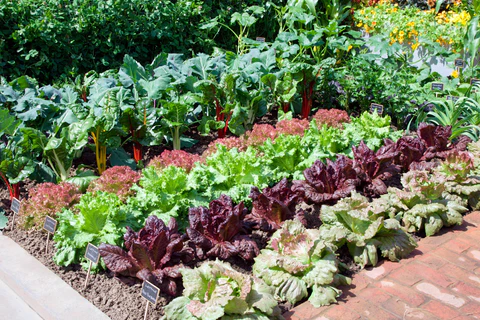
Maximizing Yields with Succession Planting
One of the best ways to get the most from your summer garden is through succession planting. This technique involves planting new crops as soon as space becomes available, ensuring a continuous harvest. Here’s how to make it work:
- Start with fast-maturing vegetables like radishes or bush beans.
- As early crops finish, replant with heat-loving varieties.
- Stagger plantings of the same crop every 2–3 weeks for a steady supply.
If you’re interested in quick results, check out this article on how to grow radishes quickly for tips on rapid harvests.
Harvesting and Storing Summer Vegetables
Timely harvesting is crucial for peak flavor and nutrition. Most summer vegetables are best picked in the morning when temperatures are cooler. Here are some general guidelines:
- Tomatoes – Harvest when fully colored and slightly soft.
- Peppers – Pick at desired size and color; leaving them longer increases sweetness.
- Squash and zucchini – Harvest when small and tender for best texture.
- Beans – Pick frequently to encourage more production.
Store harvested vegetables in a cool, shaded place and refrigerate those that wilt quickly. Promptly removing ripe produce also helps prevent pest problems.
Additional Resources for Summer Gardeners
For those just starting out or looking to refine their skills, there are many helpful guides available. The vegetable gardening for beginners guide from the Old Farmer’s Almanac covers the basics and offers seasonal advice for every stage of the gardening journey.
Looking for more ideas? Explore fast growing vegetables for beginners to discover crops that deliver quick results, perfect for summer succession planting.
Frequently Asked Questions
What are the easiest vegetables to grow in summer?
Some of the simplest and most reliable choices include tomatoes, peppers, bush beans, zucchini, and okra. These crops tolerate heat well and are less prone to common summer diseases.
How often should I water my vegetable garden during hot weather?
Most summer vegetables benefit from deep watering two to three times per week, depending on rainfall and soil type. Always check soil moisture before watering, and adjust frequency during heatwaves or dry spells.
How can I prevent pests from damaging my summer crops?
Regular inspection, encouraging beneficial insects, using row covers, and practicing crop rotation are all effective strategies. Removing weeds and debris also helps reduce pest habitats in the garden.
Is it possible to grow vegetables year-round?
Yes, with proper planning and crop selection, you can enjoy fresh produce in every season. For cooler months, explore options like winter vegetables to grow at home to keep your garden productive all year.
By following these summer vegetable gardening tips and adapting them to your local conditions, you’ll be well on your way to a bountiful and rewarding harvest. Remember, the key to success is observation, flexibility, and a willingness to learn from each season’s unique challenges.