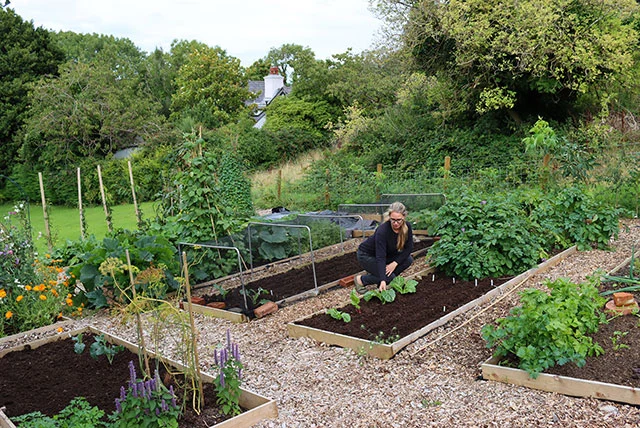
Growing your own produce during the colder months is both rewarding and practical. With the right selection of winter vegetables to grow at home, you can enjoy fresh, nutrient-rich food straight from your garden, even when temperatures drop. Many cold-hardy crops thrive in chilly weather, providing reliable harvests when supermarket shelves are limited or prices are high. Whether you’re an experienced gardener or just starting out, cultivating winter crops can help you eat seasonally and reduce your grocery bill.
Cold-season gardening doesn’t require a greenhouse or elaborate setup. Many vegetables are naturally resilient and can withstand frost, snow, and short days. By choosing the right varieties and following a few simple tips, you can keep your kitchen stocked with homegrown greens, roots, and more throughout the winter. For those interested in expanding their knowledge of resilient crops, check out the best vegetables for cold climates for additional inspiration.
Why Grow Cold-Season Vegetables?
There are several advantages to planting crops that thrive in winter. Many of these vegetables develop better flavor after exposure to frost, and pests are less of a problem in cold weather. Additionally, winter gardening can extend your harvest window and make use of garden beds that would otherwise sit empty until spring. Growing your own food in winter also gives you more control over what you eat, ensuring freshness and reducing reliance on store-bought produce.
Top Choices for Winter Gardening at Home
Below are ten reliable options for anyone interested in cultivating a productive winter garden. These selections are known for their cold tolerance and ability to provide fresh food during the off-season. Each crop offers unique flavors and nutritional benefits, making them excellent additions to your home garden.
1. Kale
Kale is one of the most resilient leafy greens for cold weather. It becomes sweeter after a frost and can survive temperatures as low as 20°F (-6°C). Sow seeds in late summer or early fall for winter harvests. Varieties like ‘Winterbor’ and ‘Red Russian’ are particularly hardy.
2. Spinach
Spinach thrives in cool soil and can be harvested well into winter with a little protection. Its tender leaves are packed with vitamins and minerals. Choose varieties such as ‘Bloomsdale’ or ‘Giant Winter’ for best results in chilly conditions.
3. Carrots
Carrots can be left in the ground and harvested as needed throughout winter, especially if mulched well. Cold temperatures enhance their sweetness. Sow in late summer, and look for types like ‘Napoli’ or ‘Autumn King’ for winter growing.
4. Brussels Sprouts
Brussels sprouts are slow-growing but exceptionally cold-hardy. They can be harvested from late fall through winter. Frost improves their flavor, making the sprouts sweeter and more tender. Plant them in midsummer for a winter crop.
5. Cabbage
Cabbage is another classic choice for winter gardens. Hardy varieties can withstand freezing temperatures and provide crisp, dense heads. ‘January King’ and ‘Savoy’ types are especially reliable for cold weather.
6. Leeks
Leeks are well-suited to winter harvesting. They can remain in the ground for months and are easy to pull as needed. Their mild, onion-like flavor is perfect for soups and stews. Sow seeds in spring or transplant seedlings in summer for winter harvests.
7. Garlic
Garlic is typically planted in the fall and left to overwinter. It requires little maintenance and is ready to harvest by late spring or early summer. While you won’t harvest bulbs during winter, you can enjoy garlic greens and scapes in early spring.
8. Parsnips
Parsnips are similar to carrots in their ability to sweeten after frost. They can be left in the soil and dug up as needed throughout winter. Their earthy, nutty flavor makes them a great addition to roasted dishes and soups.
9. Winter Lettuce
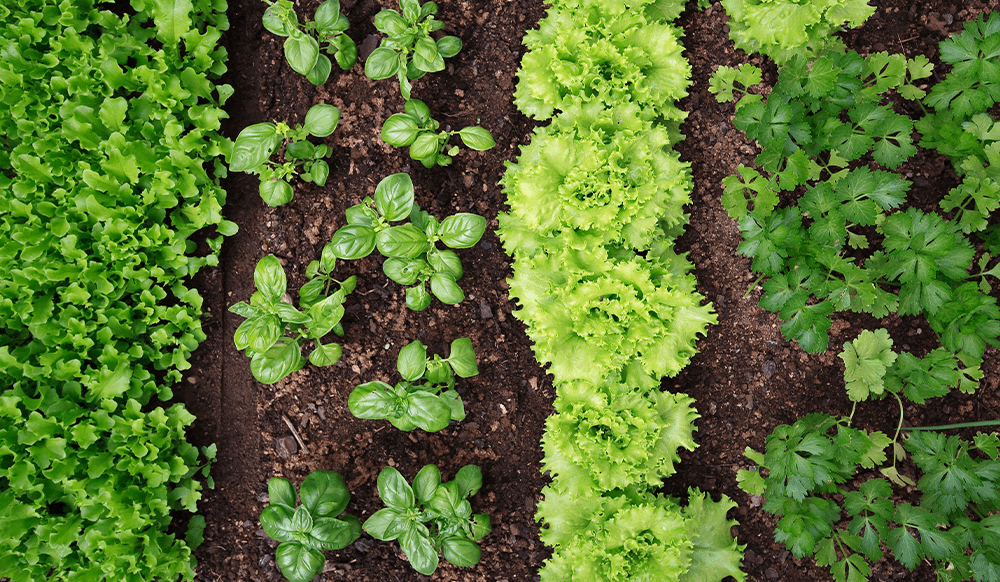
Specialty lettuces bred for cold tolerance, such as ‘Winter Density’ or ‘Arctic King,’ can provide fresh salads even in chilly months. Use row covers or cold frames for extra protection during severe weather.
10. Radishes
Fast-growing and cold-tolerant, radishes can be sown in late fall or early winter for quick harvests. Some varieties, like ‘Daikon’ and ‘Black Spanish,’ are especially suited for winter growing. For tips on rapid cultivation, see this guide on how to grow radishes quickly.
Tips for Success with Winter Gardening
To get the most from your cold-season crops, keep these practical tips in mind:
- Choose the right varieties: Look for seeds labeled as “winter,” “cold-hardy,” or “frost-tolerant.”
- Use protection: Row covers, cold frames, and mulch help insulate plants and extend the harvest window.
- Plant at the right time: Most winter crops should be sown in late summer or early fall, so they are established before the coldest weather arrives.
- Monitor soil moisture: Even in winter, plants need water. Use a moisture meter to avoid over- or under-watering.
- Harvest regularly: Pick mature leaves and roots as needed to encourage continued growth and prevent spoilage.
For those new to gardening, starting small and choosing a few reliable crops is a great way to build confidence. Raised beds can help with drainage and soil warmth, making them ideal for winter planting. If you’re looking for easy-care options, explore low maintenance vegetables to grow for more ideas.
Planning and Rotating Your Winter Crops
Crop rotation is important for maintaining soil health and preventing disease. Avoid planting the same family of vegetables in the same spot year after year. Plan your winter garden so that leafy greens, root crops, and alliums (like leeks and garlic) are rotated with other types of vegetables in the following season. This practice helps reduce pest buildup and ensures your soil remains productive.
If you’re interested in learning more about starting a vegetable garden from scratch, this comprehensive guide to starting a vegetable garden offers step-by-step advice for gardeners of all levels.
Frequently Asked Questions
What are the easiest winter vegetables to grow at home?
Some of the simplest options include kale, spinach, and radishes. These crops are highly resilient, require minimal care, and can be harvested multiple times throughout the season. For more options, see our list of fast growing vegetables for beginners.
How can I protect my winter crops from extreme cold?
Using row covers, cold frames, or a thick layer of mulch can help insulate plants and shield them from freezing temperatures. Raised beds also provide better drainage and warmth, which benefits root development during winter.
When should I start planting vegetables for winter harvest?
Most cold-hardy crops should be sown in late summer or early fall, allowing them to establish before the first hard frost. Check seed packets for recommended planting times specific to your region and chosen varieties.
Can I grow winter vegetables in containers?
Yes, many cold-tolerant crops do well in containers, especially if the pots are insulated or moved to a sheltered spot during severe weather. Choose deep containers for root vegetables and ensure adequate drainage.
Do winter vegetables need as much sunlight as summer crops?
While winter days are shorter, most cold-season vegetables can grow with less sunlight than summer crops. Aim for at least 4–6 hours of direct light per day for optimal growth.
With the right planning and crop selection, your garden can provide fresh produce all year long. Embrace the unique flavors and nutrition that winter vegetables offer, and enjoy the satisfaction of harvesting your own food, even in the coldest months.