Growing a productive vegetable garden in regions with chilly temperatures and short growing seasons can be a rewarding challenge. With the right selection of cold-hardy crops, you can enjoy fresh produce even when frost is a regular visitor. Many resilient vegetables not only survive but thrive in lower temperatures, making them perfect choices for gardeners in northern or mountainous areas. This guide explores the best vegetables for cold climates, offering practical tips for planting, care, and harvest to help you make the most of your winter garden.
For those interested in expanding their gardening knowledge, you might also want to learn about the best vegetables for hot climates if you garden in multiple regions or want to compare strategies for different weather conditions.
Understanding Cold-Climate Gardening
Before diving into specific crops, it’s important to understand what sets cold-climate gardening apart. Regions with harsh winters, frequent frosts, or short summers require vegetables that can withstand low temperatures and, in some cases, even improve in flavor after a frost. Many of these plants are classified as cool-season vegetables, and some can be overwintered or grown under protection for an extended harvest.
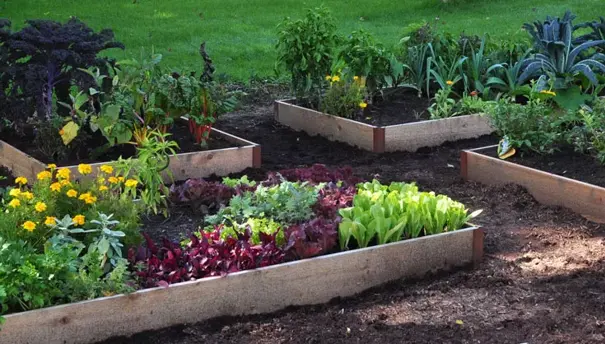
Soil preparation and timing are crucial. Raised beds and row covers can help insulate roots and protect young plants. For more advice on starting a vegetable garden, the University of Maryland Extension provides a helpful beginner’s guide to planning, planting, and maintaining your plot.
Top Cold-Hardy Crops for Winter Gardens
Many vegetables are naturally suited to withstand cold, wet, and even snowy conditions. Here are some of the most reliable options for gardeners looking to maximize their winter harvest:
Root Vegetables That Thrive in Frost
- Carrots: These sweeten after a frost and can be left in the ground until needed. Mulch heavily to prevent the soil from freezing solid.
- Parsnips: Another root crop that develops a richer flavor after exposure to cold. Plant in early spring or late summer for a late fall or winter harvest.
- Turnips: Fast-growing and tolerant of chilly soil, turnips are a staple in many cold-weather gardens.
- Beets: While not as frost-tolerant as carrots or parsnips, beets can withstand light freezes and are best harvested before the ground freezes hard.
- Radishes: Quick to mature and able to handle cool soil, radishes are ideal for early spring or late autumn planting. For tips on rapid harvests, check out this guide on how to grow radishes quickly.

Leafy Greens for Chilly Weather
- Kale: Known for its resilience, kale can survive snow and repeated freezes. Its flavor often improves after a frost.
- Spinach: This green is remarkably cold-tolerant and can overwinter in many regions with minimal protection.
- Swiss Chard: While not as hardy as kale or spinach, chard can handle light frosts and provides a continuous harvest into late fall.
- Collard Greens: Another southern staple that adapts well to cold climates, collards are robust and flavorful after frost.
Brassicas: The Backbone of the Winter Garden
- Cabbage: This classic cold-weather crop can be harvested well into winter. For detailed growing advice, see the step-by-step guide on how to grow cabbage.
- Brussels Sprouts: These develop their best taste after several frosts and can be harvested from late fall through winter.
- Broccoli: While more sensitive to extreme cold, broccoli tolerates light frosts and can be grown in protected beds or under row covers.
- Kohlrabi: This unusual brassica is quick to mature and stands up well to chilly temperatures.

Tips for Success in Cold-Weather Gardening
To get the most out of your cold-climate vegetable garden, keep these practical tips in mind:
- Start seeds early indoors to give plants a head start before transplanting them outside after the last hard frost.
- Use raised beds to improve drainage and soil warmth. Raised beds also make it easier to add protective covers when needed.
- Mulch heavily around root crops to insulate the soil and extend the harvest window.
- Install row covers or cold frames to shield plants from wind and sudden temperature drops.
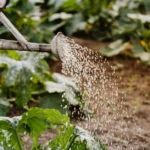
- Water carefully; cold soils retain moisture longer, so avoid overwatering, especially as days shorten.
- Choose the right varieties: Look for seed packets labeled as “frost-hardy,” “overwintering,” or “cold-tolerant.”
Maximizing Your Winter Harvest
With planning and the right crop choices, you can enjoy fresh vegetables long after the first frost. Succession planting, using season extenders, and selecting proven varieties are key strategies. If you’re interested in growing other crops, such as zucchini or eggplant, during warmer months, check out these guides on how to grow zucchini successfully and how to grow eggplant at home.
Remember, even in the coldest climates, a well-planned garden can provide nutritious, homegrown food for much of the year. Experiment with different planting times and protection methods to discover what works best in your region.
Frequently Asked Questions
Which vegetables are the most frost-resistant?
Some of the most frost-resistant vegetables include kale, spinach, carrots, parsnips, and Brussels sprouts. These crops can survive repeated freezes and often taste better after exposure to cold temperatures.
How can I protect my winter vegetables from extreme cold?
Using row covers, cold frames, or even simple mulching can help insulate plants and soil. Raised beds also offer better drainage and warmth, making them ideal for cold-climate gardening. For added protection, consider planting in sheltered locations or using windbreaks.
When should I plant cold-hardy vegetables?
Many cold-tolerant crops can be planted in early spring or late summer, depending on your region. Root vegetables and leafy greens often do well with late summer sowing for a fall or winter harvest. Always check seed packets for recommended planting times in your area.
Do cold-hardy vegetables need special soil?
While these crops are resilient, they still benefit from well-drained, fertile soil. Amending with compost and ensuring good drainage will help roots develop and prevent rot in wet, cold conditions. Using a soil moisture meter can help you avoid overwatering during the colder months.