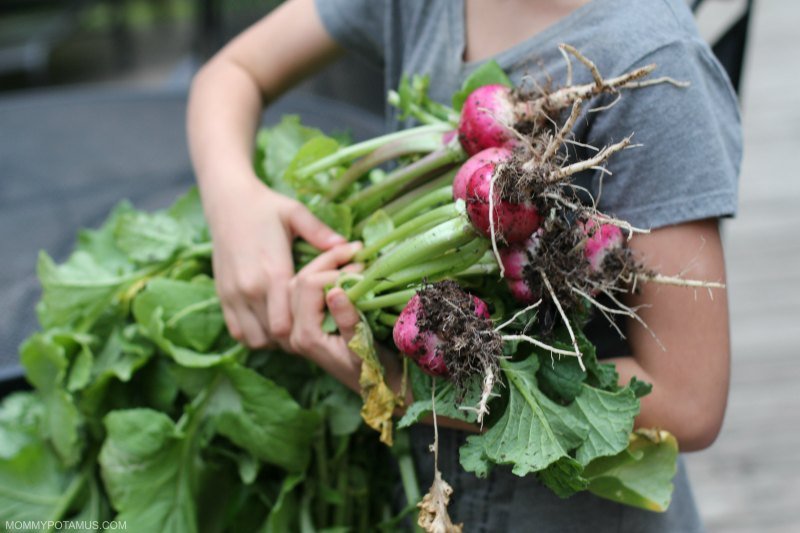
Radishes are one of the fastest and easiest vegetables you can grow, making them perfect for both beginners and experienced gardeners. With the right approach, you can enjoy crisp, flavorful roots in less than a month. This guide covers everything you need to know about how to grow radishes quickly, from choosing the right varieties to harvesting at the perfect time. Whether you’re growing in raised beds, containers, or directly in the ground, these tips will help you achieve a rapid, healthy crop.
If you’re interested in expanding your vegetable garden, you might also want to learn about how to grow broccoli in containers for a productive potted harvest.
Choosing the Best Radish Varieties for Fast Growth
Not all radishes mature at the same rate. For the quickest results, select varieties specifically bred for rapid development. Some of the fastest-growing types include:
- Cherry Belle: Ready to harvest in as little as 22 days, this classic round radish is crisp and mildly spicy.
- French Breakfast: An oblong, red-and-white variety that matures in about 25 days and is known for its tender texture.
- White Icicle: These slender, white roots are ready in 25–28 days and offer a mild, refreshing flavor.
Look for seed packets labeled “early” or “quick” to ensure you’re starting with the right genetics for a speedy harvest.
Preparing Soil and Location for Rapid Radish Growth
To maximize speed and yield, radishes need loose, well-drained soil. Heavy or compacted ground will slow root development and produce misshapen crops. Here’s how to set up your growing area for success:
- Soil Preparation: Loosen the top 6–8 inches of soil and remove rocks or debris. Mix in compost or well-rotted manure to boost fertility and drainage.
- pH Level: Aim for a slightly acidic to neutral soil pH (6.0–7.0). Test your soil and amend if needed.
- Sunlight: Radishes grow fastest with at least 6 hours of direct sunlight daily. Partial shade is acceptable, but may slightly delay maturity.
Planting Techniques to Speed Up Germination
For those focused on how to grow radishes quickly, proper planting is essential. Follow these steps for optimal results:
- Sow Directly: Radishes dislike transplanting. Sow seeds directly into the prepared bed or container.
- Spacing: Plant seeds about ½ inch deep and 1 inch apart. Thin seedlings to 2 inches apart once they sprout to prevent overcrowding.
- Row Spacing: Keep rows 6–8 inches apart for good airflow and easy access.
- Watering: Keep the soil consistently moist, especially during germination. Avoid letting the soil dry out, as this can slow growth and cause roots to become woody.
Radish seeds usually germinate within 3–7 days if the soil temperature is between 50–70°F (10–21°C).
Watering and Feeding for Maximum Speed
Consistent moisture is key to fast, healthy radish growth. Here’s how to manage water and nutrients:
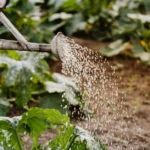
- Water Regularly: Aim for about 1 inch of water per week, adjusting for rainfall. Use a soil moisture meter to check that the soil stays evenly damp but not soggy.
- Mulching: Apply a thin layer of straw or compost to help retain moisture and suppress weeds.
- Fertilizing: Radishes don’t need heavy feeding. Too much nitrogen can cause lush leaves but small roots. If your soil is poor, use a balanced, slow-release fertilizer at planting time.
Companion Planting and Pest Prevention
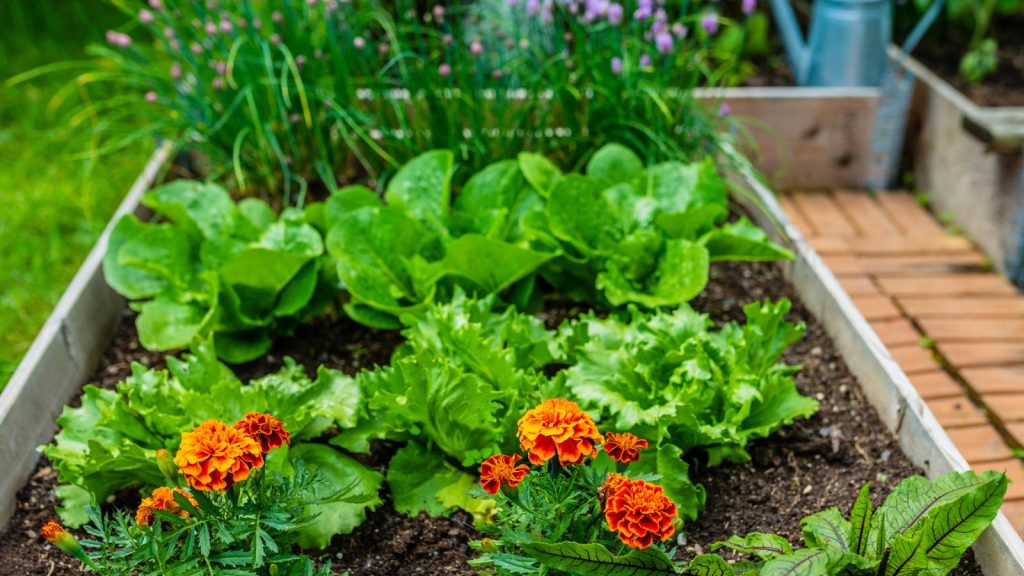
Radishes benefit from being planted alongside certain vegetables and flowers. Companion planting can help deter pests and improve yields. For example:
- Marigolds: These flowers repel aphids and other insects that can damage radishes.
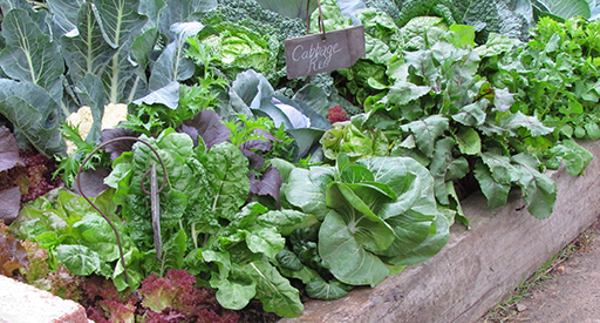
- Lettuce and Spinach: Growing leafy greens nearby can shade the soil, keeping it cool and moist for radishes.
- Avoid Brassica Overcrowding: Don’t plant radishes too close to other brassicas (like cabbage or broccoli) to reduce competition and pest buildup.
Tips for Harvesting in Under a Month
To achieve a harvest in just 25 days, monitor your crop closely. Here’s how to ensure you pick at the right time:
- Check Maturity Dates: Refer to your seed packet for the expected harvest window. Most fast-growing varieties are ready in 22–28 days.
- Inspect Roots: Gently brush away soil to check root size. Radishes are best when they reach about 1 inch in diameter.
- Harvest Promptly: Don’t wait too long. Over-mature radishes become woody and lose flavor.
- Successive Sowing: For a continuous supply, plant new seeds every 7–10 days throughout the growing season.
Common Problems and How to Avoid Them
Even with the best practices, a few issues can slow down your radish crop. Here’s how to troubleshoot:
- Slow Growth: Usually caused by overcrowding, poor soil, or lack of sunlight. Thin seedlings and improve soil conditions as needed.
- Pest Damage: Flea beetles and root maggots are common. Use row covers and practice crop rotation to minimize problems.
- Bolting: Hot weather can cause radishes to flower early. Plant in spring or fall for best results, and keep soil moist to reduce stress.
For more tips on starting a vegetable garden, check out this beginner’s guide to vegetable gardening for practical advice and inspiration.
Expanding Your Vegetable Garden
Once you’ve mastered quick radish production, consider growing other fast or rewarding crops. Explore guides like how to grow zucchini successfully for large yields, or try your hand at growing eggplant at home for a new challenge. Rotating crops and diversifying your plantings helps maintain soil health and keeps your garden productive throughout the season.
Frequently Asked Questions
What is the fastest way to grow radishes?
The quickest method is to use early-maturing varieties, plant seeds directly in loose, fertile soil, and keep the area consistently moist. Regular thinning and full sun exposure also help speed up growth.
Why are my radishes not forming bulbs?
This is often due to overcrowding, excessive nitrogen, or insufficient sunlight. Thin seedlings to the recommended spacing, avoid over-fertilizing, and ensure your plants receive at least 6 hours of sun per day.
Can I grow radishes in containers?
Yes, radishes thrive in containers at least 6 inches deep. Use a loose potting mix, keep the soil moist, and provide plenty of sunlight for best results. Successive sowings will give you a steady harvest.
How do I prevent pests from damaging my radishes?
Use row covers to protect seedlings, plant marigolds nearby to deter insects, and rotate crops each season. Healthy, fast-growing plants are less likely to suffer severe pest damage.