Growing your own cabbage is a rewarding way to enjoy fresh, nutritious vegetables straight from your garden. Whether you’re a beginner or looking to refine your skills, learning how to grow cabbage step by step ensures a healthy, bountiful harvest. This guide covers everything from choosing the right variety to harvesting crisp, flavorful heads. Along the way, you’ll find practical tips, essential care instructions, and helpful resources to support your gardening journey.
If you’re interested in expanding your homegrown produce, you might also enjoy reading about how to grow garlic at home for another rewarding crop to add to your garden.
Choosing the Right Cabbage Variety
Cabbage comes in several types, including green, red, and savoy. Each variety has its own flavor, texture, and growing requirements. Green cabbage is the most common and versatile, while red cabbage offers vibrant color and a slightly peppery taste. Savoy cabbage features crinkled leaves and a milder flavor, making it ideal for salads and wraps.
When selecting seeds, consider your climate and the time of year. Early varieties mature quickly and are suitable for spring planting, while late varieties are more tolerant of cold and can be harvested in fall or winter. Check seed packets for days to maturity and disease resistance to ensure the best results for your location.
Preparing the Soil for Cabbage Success
Healthy soil is the foundation of a productive cabbage patch. Cabbage prefers well-draining, fertile soil with a pH between 6.0 and 7.5. Before planting, work in plenty of compost or well-rotted manure to boost organic matter and nutrients. Remove weeds and break up clumps to create a fine, crumbly texture.
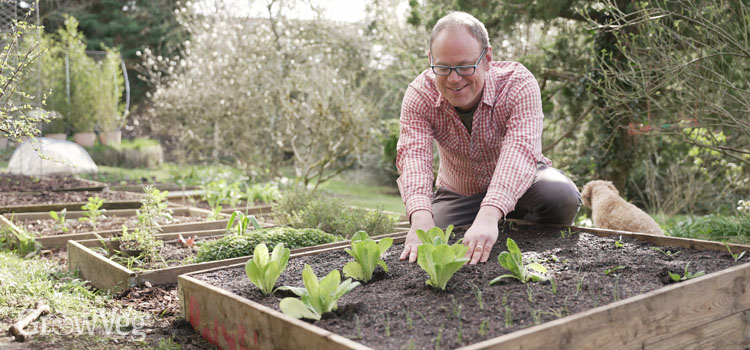
For gardeners with limited space or poor soil, raised beds offer excellent drainage and control over soil quality. If you’re considering this option, you can buy a raised planter bed to get started quickly.
Starting Cabbage from Seed or Transplants
To begin the process of growing cabbage step by step, you can either sow seeds directly in the garden or start them indoors for an early start. For spring crops, sow seeds indoors 6–8 weeks before the last expected frost. Use seed trays filled with seed-starting mix, and plant seeds about ¼ inch deep. Keep the soil moist and provide plenty of light to encourage strong seedlings.
Transplant seedlings outdoors when they have 3–4 true leaves and the soil has warmed to at least 50°F (10°C). Harden off young plants by gradually exposing them to outdoor conditions over a week. Space plants 12–24 inches apart in rows 18–36 inches apart, depending on the variety. If direct sowing outdoors, wait until the soil can be worked and night temperatures stay above freezing.
Watering and Feeding for Healthy Growth
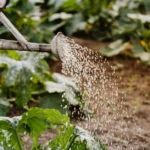
Cabbage needs consistent moisture for optimal growth. Water deeply once or twice a week, aiming for about 1–1.5 inches of water. Avoid overhead watering to reduce the risk of disease. Using a soil moisture meter helps you monitor soil dampness and avoid overwatering or drought stress.
Feed cabbage with a balanced fertilizer at planting time and again when heads begin to form. Organic options like fish emulsion or compost tea work well. Avoid excessive nitrogen, which can cause loose heads and attract pests.
Protecting Cabbage from Pests and Diseases
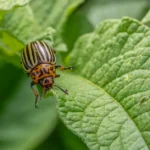
Common cabbage pests include cabbage worms, aphids, and flea beetles. Inspect plants regularly and remove pests by hand or use row covers to keep insects at bay. Encourage beneficial insects like ladybugs and lacewings to help control pest populations naturally.
To prevent diseases such as clubroot and black rot, rotate crops each year and avoid planting cabbage or other brassicas in the same spot for at least three years. Water at the base of plants and provide good air circulation to reduce fungal issues. Remove and destroy any diseased plants promptly.
Step-by-Step Cabbage Care Throughout the Season
- Weed regularly to reduce competition for nutrients and water.
- Mulch around plants to retain moisture and suppress weeds.
- Monitor for signs of stress such as yellowing leaves or stunted growth, and address issues promptly.
- Support large heads with gentle staking if needed, especially in windy areas.
For more tips on maximizing space and productivity in your vegetable garden, check out how to grow beans in small gardens for companion planting ideas and efficient layouts.
Harvesting and Storing Your Cabbage Crop
Cabbage is ready to harvest when the heads are firm and reach the desired size for their variety. Use a sharp knife to cut the head at the base, leaving the outer leaves and roots in place. If you leave the stem, small side heads may form for a second, smaller harvest.
Store harvested cabbage in a cool, humid place. Heads can keep for several weeks in the refrigerator or root cellar. Remove any damaged or loose outer leaves before storing to extend freshness.
Tips for Success: Common Mistakes to Avoid
- Don’t overcrowd plants—give each cabbage enough space for air flow and head development.
- Avoid inconsistent watering, which can cause heads to split or become bitter.
- Rotate crops to prevent soil-borne diseases and pest buildup.
- Start with healthy seedlings and avoid planting in poorly drained or compacted soil.
If you’re new to vegetable gardening, you’ll find helpful beginner advice in this comprehensive guide to starting a vegetable garden from The Guardian.
FAQ: Cabbage Growing Questions Answered
When is the best time to plant cabbage?
Cabbage can be planted in early spring for a summer harvest or in late summer for a fall or winter crop. The ideal timing depends on your local climate and the variety you choose. Early varieties are best for spring, while late types are suited to cooler autumn conditions.
How do I prevent cabbage heads from splitting?
Splitting usually occurs when plants receive a sudden influx of water after a dry period. Maintain even soil moisture throughout the growing season and mulch around plants to help regulate water levels. Harvest heads promptly once they reach maturity to avoid splitting.
Can I grow cabbage in containers?
Yes, cabbage can be grown in large containers or raised beds with at least 12–18 inches of soil depth. Choose compact varieties for the best results and ensure containers have good drainage. Regular watering and feeding are essential for healthy container-grown cabbage.
What are good companion plants for cabbage?
Cabbage grows well alongside crops like beans, peas, and celery, which help deter pests and improve soil health. Avoid planting with other brassicas or strawberries, as they can compete for nutrients and attract similar pests.
Conclusion
With the right preparation and care, anyone can master how to grow cabbage step by step and enjoy a steady supply of fresh, homegrown heads. By choosing suitable varieties, preparing fertile soil, and following a consistent care routine, you’ll set yourself up for a successful harvest. Don’t forget to rotate crops, monitor for pests, and use the resources and tools available to make your gardening experience easier and more productive. Happy growing!