Living on an off-grid homestead means embracing a lifestyle that is both rewarding and demanding. Each day is shaped by the rhythms of nature, self-reliance, and a commitment to sustainability. For many, the appeal lies in the freedom from utility bills, the satisfaction of growing your own food, and the sense of accomplishment that comes from building a life outside the mainstream. However, this way of living also requires careful planning, adaptability, and a willingness to learn new skills.
Whether you’re considering a move to rural living or simply curious about what it takes to thrive away from modern conveniences, understanding the daily life off-grid homestead experience can help set realistic expectations. From sunrise chores to evening routines, each task plays a vital role in maintaining comfort, safety, and productivity.
Homesteaders often start their journey by learning essential gardening skills. If you’re interested in cultivating your own produce, check out how to grow onions from bulbs for a practical step-by-step guide.
Morning Routines: Starting the Day Off-Grid
The early hours on a self-sufficient property are typically the busiest. Most homesteaders rise with the sun, making the most of daylight to accomplish outdoor tasks. The first priorities often include:
- Feeding livestock such as chickens, goats, or cows
- Collecting eggs and checking on animal health
- Inspecting water systems and refilling troughs
- Gathering firewood or checking heating systems, especially in colder months
Without municipal services, maintaining reliable water and energy sources is crucial. Many off-grid homes rely on solar panels, wind turbines, or generators for electricity. Water may come from wells, rainwater catchment, or nearby streams, requiring regular monitoring and maintenance.
Gardening and Food Production: The Heart of Homestead Living
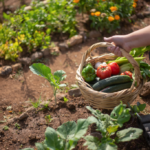
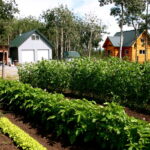
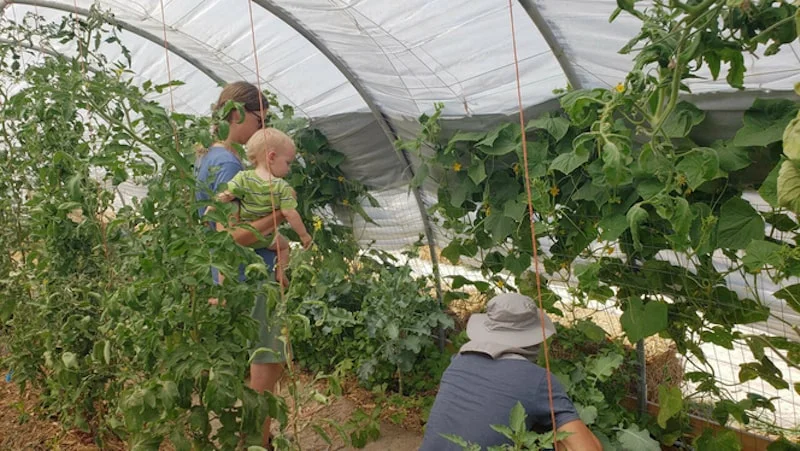
Growing food is central to the daily life off-grid homestead experience. Homesteaders dedicate significant time to tending gardens, managing greenhouses, and preserving harvests. Tasks vary by season but commonly include:
- Planting, weeding, and watering vegetable beds
- Harvesting ripe produce and preparing it for storage
- Composting kitchen and garden waste to enrich soil
- Saving seeds for future planting
For those with limited space, learning how to grow vegetables in small spaces can make a big difference in maximizing yields. Many off-grid families also raise chickens for eggs and meat, goats for milk, or bees for honey, adding variety and resilience to their food supply.
Energy and Water Management: Staying Self-Sufficient
One of the defining aspects of living off-grid is managing your own utilities. This involves a mix of technology, routine checks, and sometimes creative problem-solving. Common energy sources include:
- Solar panels for electricity and hot water
- Wind turbines in breezy locations
- Wood stoves for heating and cooking
Water systems are equally important. Many homesteads use gravity-fed tanks, hand pumps, or filtration systems to ensure safe drinking water. Regular maintenance is essential to prevent breakdowns and ensure a steady supply, especially during dry spells or winter freezes.
Learning to conserve resources is part of the daily rhythm. Simple habits like turning off unused lights, collecting rainwater, and insulating buildings help stretch supplies and reduce reliance on backup generators.
Animal Care and Livestock Chores
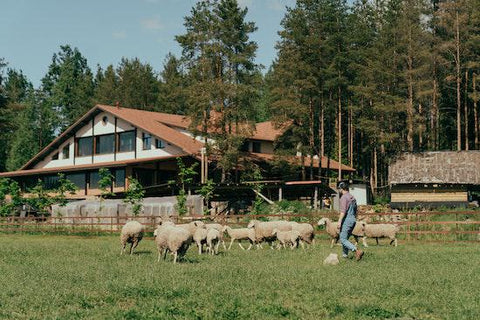
For those who keep animals, much of the day revolves around their care. This includes feeding, cleaning shelters, rotating pastures, and monitoring for signs of illness. Chickens, for example, require secure coops to protect them from predators and regular egg collection. Goats and cows need milking, while pigs and other livestock benefit from daily check-ins and fresh bedding.
Automating some chores, such as using a smart coop door, can save time and improve animal welfare. These small upgrades make a noticeable difference in the routine of an off-grid homestead.
Homestead Maintenance and Seasonal Tasks
Maintaining buildings, fences, and equipment is an ongoing responsibility. Weather can be unpredictable, so regular inspections and repairs are necessary to keep everything in working order. Common tasks include:
- Fixing leaky roofs or broken windows
- Sharpening tools and servicing machinery
- Preparing for winter by insulating pipes and stocking up on supplies
- Clearing snow or debris from access roads
Seasonal changes also dictate the pace and focus of work. Spring and summer are busy with planting and harvesting, while fall is devoted to food preservation and winter prep. During colder months, attention shifts to indoor projects and keeping animals warm and healthy.
Community, Learning, and Leisure
While self-sufficiency is a core value, most off-grid homesteaders also rely on a sense of community. Neighbors often share resources, trade goods, and help each other with large projects. Many people find joy in teaching others, attending local workshops, or participating in online forums about rural living.
Leisure time is precious and often spent enjoying nature, reading, or working on crafts. Evenings may involve cooking meals from scratch, preserving food, or simply relaxing by the fire. The pace is slower but deeply satisfying for those who value independence and hands-on living.
For more insight into the philosophy and practicalities of this lifestyle, explore this in-depth guide to off-grid homesteading.
Challenges and Rewards of Self-Sufficient Living
Adopting a daily life off-grid homestead routine comes with unique challenges. Weather extremes, equipment failures, and the constant need for repairs can be stressful. There’s little room for procrastination, as delays can impact food supplies, comfort, or safety.
However, the rewards are significant. Many homesteaders report improved physical health, a stronger connection to nature, and a deep sense of accomplishment. Skills learned on the homestead—like carpentry, animal husbandry, and food preservation—are valuable and empowering.
For those just starting out, focusing on easy vegetables for beginners to grow can build confidence and provide quick wins. Over time, the routine becomes second nature, and the homestead evolves into a place of abundance and security.
FAQs About Off-Grid Homestead Life
What skills are most important for living off-grid?
Essential skills include gardening, basic carpentry, animal care, food preservation, and troubleshooting energy or water systems. Adaptability and a willingness to learn are just as important as technical know-how.
How do homesteaders handle emergencies or medical needs?
Most keep well-stocked first aid kits and learn basic emergency care. For serious issues, many off-grid families maintain a plan for reaching the nearest clinic or hospital. Building relationships with neighbors can also be crucial in urgent situations.
Is it possible to live off-grid with children?
Yes, many families raise children on homesteads. Kids often help with chores and learn practical skills early on. Education may be provided through local schools, homeschooling, or online resources, depending on location and personal preference.
How do you preserve food for winter?
Common methods include canning, dehydrating, fermenting, and root cellaring. Many homesteaders dedicate part of the fall season to preparing and storing enough food to last through the colder months.
Exploring the daily life off-grid homestead experience reveals a lifestyle rich in purpose, challenge, and reward. With the right mindset and preparation, it’s possible to create a thriving, resilient home far from the grid.