Urban living, small yards, or limited outdoor areas shouldn’t stop you from enjoying the benefits of homegrown produce and beautiful blooms. With a bit of planning and the right techniques, anyone can establish productive and attractive garden beds even in the smallest spaces. This guide offers practical advice for making the most of compact areas, from balconies to side yards, so you can cultivate your own green oasis.
Whether you’re a beginner or looking to optimize your current setup, learning how to create garden beds in tiny spaces can help you maximize yields and enjoy fresh vegetables, herbs, or flowers right at home. For those interested in expanding their edible garden, check out our guide on how to grow vegetables in small spaces for more inspiration and tips tailored to urban environments.
Why Small-Space Gardening Works
Gardening in a limited area is not just possible—it can be highly efficient. Smaller beds are easier to manage, require less water, and can be designed to fit almost any location. With careful selection of plants and creative use of vertical and container gardening, even a tiny patio or balcony can yield impressive results.
Many people are turning to small-scale gardening as part of the broader homesteading movement, which emphasizes self-sufficiency and sustainable living. By making the most of your available space, you can enjoy fresh produce, reduce your environmental impact, and add beauty to your home.
Assessing Your Space and Sunlight
Before you start building beds or buying containers, take time to evaluate your available area. Measure the dimensions, note any obstacles, and observe how much sunlight different spots receive throughout the day. Most vegetables and flowers need at least six hours of direct sunlight, so prioritize the sunniest locations for your main garden beds.
Consider these factors:
- Sunlight: Track sun patterns to identify the best spots for sun-loving plants.
- Access: Make sure you can reach all parts of your bed for watering and harvesting.
- Water: Choose locations near a water source or where rainwater can be easily collected.
- Drainage: Avoid low spots where water pools after rain.
Choosing the Right Bed Type for Compact Areas
There are several effective methods for establishing garden beds in small spaces. The best option depends on your specific site, budget, and gardening goals. Here are some popular approaches:
Raised Beds for Small Yards and Patios
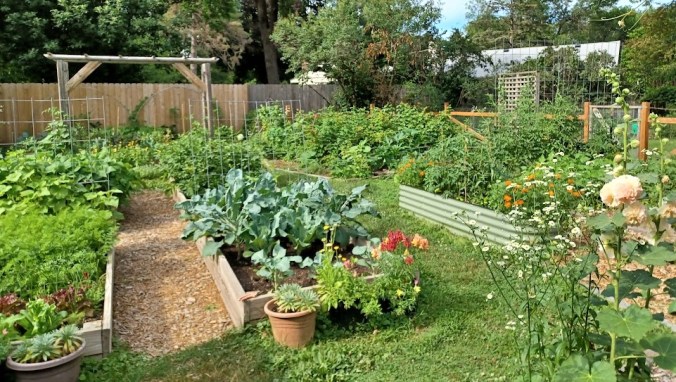
Raised beds are ideal for maximizing productivity in a limited footprint. They provide excellent drainage, warm up quickly in spring, and can be built to fit any shape or size. For tiny spaces, consider narrow beds (as little as 12–18 inches wide) or L-shaped designs that tuck into corners.
Materials for raised beds include wood, metal, or even repurposed bricks and blocks. Galvanized steel beds are durable and attractive, while wooden beds are easy to customize. For renters or those who want portability, lightweight options like fabric grow bags are a smart choice.
Container Gardening for Maximum Flexibility
Containers are a flexible solution for balconies, decks, or paved areas where in-ground beds aren’t possible. Use pots, troughs, or grow bags to cultivate vegetables, herbs, and flowers. Group containers together to create a lush, layered effect and make watering more efficient.
When selecting containers, look for options with good drainage and enough depth for your chosen plants. Most vegetables need at least 8–12 inches of soil. Fabric grow bags are lightweight, breathable, and easy to move, making them perfect for renters or anyone with changing needs.
Vertical Gardening to Save Floor Space
Vertical gardening is a game-changer for those with very limited square footage. Use trellises, wall-mounted planters, or shelving to grow upwards instead of outwards. Many crops, such as tomatoes, beans, peas, and cucumbers, thrive when trained vertically. Herbs and leafy greens also do well in stacked planters or hanging baskets.
By combining vertical elements with raised beds or containers, you can dramatically increase your growing area without taking up more ground space.
Soil, Compost, and Fertility in Small Beds
Healthy soil is the foundation of any successful garden, especially in compact beds where nutrients can be depleted quickly. Use a high-quality potting mix or a blend of compost, topsoil, and organic matter for raised beds and containers. Regularly top up with compost or worm castings to maintain fertility.
In small beds, avoid using garden soil from the ground, as it may contain pests, diseases, or weed seeds. Instead, invest in bagged mixes designed for vegetables and flowers. For more on choosing crops, see our article on best vegetables to grow at home.
Plant Selection and Spacing for Tiny Gardens
Choosing the right plants is crucial when space is at a premium. Opt for compact, high-yield varieties and crops that can be harvested continuously, such as salad greens, herbs, and bush beans. Dwarf or patio versions of tomatoes, peppers, and eggplants are bred specifically for containers and small beds.
Practice intensive planting by spacing crops closer together than in traditional rows. This helps shade the soil, suppress weeds, and maximize yields. However, avoid overcrowding, which can lead to poor air circulation and disease. Always follow recommended spacing guidelines for each crop.

Tips for Watering and Maintenance in Limited Areas
Small garden beds and containers can dry out quickly, especially in hot weather. Consistent watering is essential for healthy growth. Use a watering can or hose with a gentle spray attachment to avoid disturbing young plants. Self-watering containers or drip irrigation systems can help maintain even moisture levels.
Mulch the surface with straw, shredded leaves, or compost to retain moisture and suppress weeds. Regularly check for pests and diseases, and remove any affected leaves promptly. Because small beds are easy to access, daily maintenance is quick and manageable.
Seasonal Strategies for Year-Round Harvests
With careful planning, even the smallest beds can produce food or flowers throughout the year. Use succession planting—sowing new crops as soon as space opens up—to keep beds productive. In cooler climates, extend the season with row covers, cold frames, or by moving containers indoors under grow lights.
For more advice on timing your plantings, see our resource on when to plant vegetables in spring. Rotating crops and replenishing soil nutrients each season will help maintain productivity and reduce pest problems.
Common Mistakes to Avoid
- Overcrowding: Planting too densely can lead to poor air flow and disease.
- Poor drainage: Ensure containers and beds allow excess water to escape.
- Neglecting sunlight: Most edibles need full sun; shade-tolerant crops are the exception.
- Using garden soil in containers: Always use high-quality potting mix for best results.
- Ignoring maintenance: Small gardens need regular watering and attention to thrive.
Frequently Asked Questions
What are the best crops for small garden beds?
Compact vegetables like lettuce, spinach, radishes, bush beans, and dwarf tomatoes are excellent choices. Herbs such as basil, chives, and parsley also thrive in limited spaces. For more ideas, see our article on easy vegetables for beginners to grow.
How deep should my raised bed or container be?
Most vegetables need at least 8–12 inches of soil. Root crops like carrots may require deeper beds, while herbs and leafy greens can grow in shallower containers.
Can I grow food indoors if I have no outdoor space?
Yes, many vegetables and herbs can be grown indoors using containers and LED grow lights. Choose compact varieties and place them near a sunny window or supplement with artificial lighting for best results.
Conclusion
Creating productive garden beds in small spaces is entirely achievable with thoughtful planning and the right techniques. By choosing suitable bed types, optimizing soil and sunlight, and selecting compact crops, you can enjoy the rewards of gardening no matter how limited your area. Start small, experiment with different layouts, and enjoy the process of growing your own fresh food and flowers in even the tiniest of spaces.