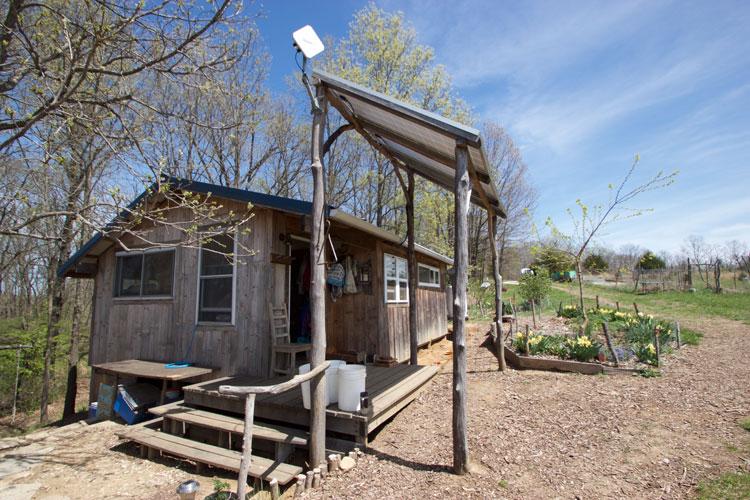
Living away from the conveniences of urban infrastructure brings a unique set of challenges, especially when it comes to handling health crises. Off-grid medical preparedness is a crucial aspect for anyone residing in remote locations, homesteads, or planning for self-sufficiency. Without immediate access to clinics or pharmacies, being ready to manage injuries, illnesses, and emergencies can make a significant difference in outcomes.
This guide explores the essentials of building a resilient medical plan for those living off the grid. From assembling the right supplies to developing practical skills, you’ll find actionable advice for safeguarding your health and the well-being of your household. For those interested in maximizing their self-reliance, learning about how to grow onions from bulbs can also contribute to a healthier, more sustainable lifestyle.
Why Medical Readiness Matters in Remote Living
When you live far from emergency services, the ability to respond quickly to medical situations is vital. Delays in treatment can turn minor injuries into major problems. Whether you’re dealing with a simple cut, an allergic reaction, or a more serious incident, having the right supplies and knowledge on hand can be lifesaving.
Remote environments often mean unpredictable weather, limited communication, and longer wait times for help. This makes off-grid medical preparedness not just a precaution, but a necessity for anyone seeking independence from traditional support systems.
Building a Comprehensive Off-Grid First Aid Kit
A standard store-bought first aid kit is a good starting point, but it often lacks the depth needed for extended self-reliance. Consider customizing your kit to address the unique risks of your location and lifestyle. Here are some essentials to include:
- Wound care: Sterile gauze, bandages, antiseptic wipes, medical tape, and wound closure strips.
- Medications: Pain relievers, antihistamines, anti-diarrheal tablets, and any prescription medicines your household needs.
- Tools: Tweezers, scissors, digital thermometer, splints, and a quality multi-tool.
- Burn and blister care: Burn gel, hydrogel dressings, and moleskin.
- Emergency items: Space blanket, instant cold packs, and a CPR mask.
- Reference: A printed first aid manual or quick-reference guide for emergencies.
Regularly check expiration dates and replace used or outdated items. For those with livestock or pets, include veterinary supplies as well.
Essential Skills for Self-Sufficient Health Care
Having supplies is only part of the equation. Developing practical medical skills is equally important for anyone committed to off-grid medical preparedness. Consider learning and practicing the following:
- Basic first aid and CPR: Take certified courses, and refresh your knowledge regularly.
- Wound management: Learn how to clean, dress, and monitor wounds for infection.
- Splinting and immobilization: Know how to stabilize fractures or sprains until professional help arrives.
- Recognizing symptoms: Be able to identify signs of infection, dehydration, allergic reactions, and heat or cold injuries.
- Improvised solutions: Practice using everyday items for medical care when supplies run low.
Many organizations offer online and in-person training. Keeping a printed manual is wise, as digital devices may not always be available in an emergency.
Stocking and Storing Medical Supplies Off the Grid
Proper storage is crucial to maintain the effectiveness of your medical supplies. Here are some best practices:
- Store items in waterproof, airtight containers to protect from moisture and pests.
- Keep kits in easily accessible locations, but out of direct sunlight and extreme temperatures.
- Label containers clearly and organize by category for quick access.
- Maintain an inventory list and update it after each use or restock.
Consider having smaller kits in multiple locations—such as your vehicle, workshop, and main living area—so you’re never far from essential care items.
Planning for Long-Term Health Needs
Short-term emergencies are only part of the picture. For those committed to long-term remote living, proactive health management is essential. Here’s how to prepare:
- Chronic conditions: Stock extra prescription medications and monitor expiration dates.
- Preventive care: Schedule regular checkups when possible, and keep up with vaccinations.
- Nutrition: Grow and store nutrient-rich foods. For tips on maximizing your garden, see best vegetables to grow at home.
- Water safety: Ensure access to clean drinking water and know how to purify it if needed.
- Mental health: Isolation can impact well-being. Stay connected with loved ones and practice stress management techniques.
Being proactive reduces the risk of preventable health issues and supports a resilient lifestyle.
Communication and Emergency Planning
Even with excellent preparation, some situations require outside help. Establish a plan for reaching emergency services, even if you’re off the grid:
- Keep a charged satellite phone or two-way radio for areas without cell service.
- Share your location and emergency plan with trusted neighbors or family.
- Post emergency contact numbers and directions to your property in a visible location.
- Practice evacuation and medical response drills with your household.
Preparation and clear communication can save valuable time during a crisis.
Learning from the Off-Grid Community
Many individuals and families have successfully navigated the challenges of remote living. Online resources, such as this comprehensive guide on off-grid living, offer valuable insights and real-world tips for staying healthy and prepared. Connecting with others can help you discover new strategies and avoid common pitfalls.
For additional ways to enhance your self-sufficiency, explore advice on modern homesteading household energy saving tips to make your home more efficient and resilient.
Frequently Asked Questions
What are the most important items for an off-grid first aid kit?
The most critical items include wound care supplies (bandages, antiseptics), pain relievers, prescription medications, basic tools (scissors, tweezers), burn treatments, and a reliable first aid manual. Tailor your kit to address the specific risks of your environment and household needs.
How can I learn medical skills for remote living?
Consider enrolling in certified first aid and CPR courses, which are often available through local organizations or online. Practice regularly, and keep printed guides on hand for reference. Many homesteaders also recommend learning about herbal remedies and basic wound management techniques.
How do I store medical supplies to ensure they last?
Store supplies in waterproof, airtight containers away from direct sunlight and extreme temperatures. Organize items by category, label everything clearly, and maintain an up-to-date inventory. Check expiration dates regularly and rotate stock as needed.
Conclusion
Taking charge of your health in a remote environment requires planning, knowledge, and the right supplies. By focusing on off-grid medical preparedness, you can confidently face emergencies and protect your loved ones. Continue expanding your skills, stay connected with the off-grid community, and regularly review your plans to ensure you’re ready for whatever comes your way.