Embracing modern homesteading ethical animal care means prioritizing the well-being of livestock and poultry while building a sustainable, productive homestead. Today’s homesteaders are increasingly aware of the importance of responsible stewardship, humane treatment, and ecological balance. Ethical animal care is not just about meeting basic needs—it’s about fostering a healthy environment, respecting natural behaviors, and making thoughtful choices that benefit both animals and people.
Whether you’re raising chickens for eggs, goats for milk, or bees for honey, adopting ethical practices is essential for the long-term success and harmony of your homestead. This article explores practical steps, guiding principles, and real-world strategies for compassionate animal husbandry in a modern context. For those interested in expanding their skillset, the modern homesteading traditional skills revival guide offers additional insights into time-honored methods that complement ethical care.

Principles of Ethical Animal Care on the Homestead
At the core of responsible animal husbandry lies a commitment to treating all creatures with respect and compassion. Ethical care goes beyond simply providing food and shelter; it involves understanding animals’ natural behaviors, needs, and instincts. Here are some foundational principles:
- Respect for Natural Behaviors: Allow animals to express their innate behaviors, such as foraging, dust bathing, or socializing.
- Humane Housing: Provide adequate space, shelter, and enrichment to minimize stress and promote well-being.
- Health and Nutrition: Offer balanced diets, clean water, and proactive health management to prevent illness.
- Gentle Handling: Use low-stress handling techniques and minimize unnecessary interventions.
- Sustainable Practices: Integrate animal care with broader homesteading goals, such as soil health, biodiversity, and resource conservation.
Creating a Healthy and Enriching Environment
One of the most important aspects of modern homesteading ethical animal care is designing environments that support both physical and psychological health. Animals thrive when their surroundings mimic natural habitats and provide opportunities for exploration and comfort.

Consider these practical steps:
- Rotational Grazing: Move livestock between pastures to prevent overgrazing, reduce parasite loads, and promote soil fertility.
- Natural Shelter: Use trees, hedges, or constructed shelters to provide shade, windbreaks, and protection from predators.
- Enrichment Activities: Add perches, dust baths, scratching posts, or toys to encourage natural play and reduce boredom.
- Cleanliness: Maintain clean bedding, fresh water sources, and regular waste removal to prevent disease and discomfort.
For those with limited space, integrating animals into a modern homesteading backyard sustainability plan can ensure ethical care even on small plots.
Nutrition and Preventive Health for Homestead Animals
Providing proper nutrition and proactive healthcare is fundamental to ethical animal management. Each species has unique dietary requirements, and deficiencies can lead to health problems or behavioral issues.
- Species-Specific Diets: Research the nutritional needs of each animal. For example, chickens require a balance of protein, calcium, and grit, while goats need roughage and minerals.
- Access to Clean Water: Ensure all animals have constant access to fresh, uncontaminated water.
- Preventive Veterinary Care: Schedule regular health checks, vaccinations, and parasite control. Early intervention prevents suffering and reduces long-term costs.
- Observation: Spend time observing animals daily to detect signs of illness, injury, or distress early.
Homesteaders can further support animal health by incorporating natural remedies and holistic approaches, provided they are evidence-based and safe.
Humane Handling and Stress Reduction
Minimizing stress is crucial for both animal welfare and productivity. Gentle, consistent handling builds trust and reduces the risk of injury for both animals and caretakers.
Key strategies include:
- Routine: Establish predictable routines for feeding, cleaning, and handling to help animals feel secure.
- Low-Stress Techniques: Move animals calmly, avoid loud noises, and use positive reinforcement when possible.
- Social Needs: Recognize the importance of companionship for herd or flock animals. Isolate only when medically necessary.
For those interested in optimizing their setup, the modern homesteading efficient space planning resource offers tips for designing animal areas that support ethical care and ease of management.
Integrating Sustainability and Animal Welfare
Ethical animal care is closely linked to sustainable homesteading. Practices that benefit animals often align with ecological goals, such as reducing waste, conserving resources, and enhancing biodiversity.
- Composting: Use manure and bedding as compost to enrich gardens and reduce landfill waste.
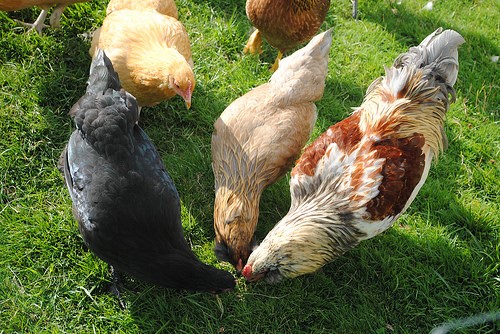
- Integrated Pest Management: Chickens and ducks can help control insects naturally, reducing the need for chemical pesticides.
- Resource Sharing: Barter surplus eggs, milk, or fiber with neighbors, as described in the modern homesteading bartering ideas guide.
- Closed-Loop Systems: Design systems where animal outputs (like manure) become inputs for other homestead activities.
For a broader perspective on sustainable living with animals, this comprehensive overview of contemporary homesteading practices provides valuable context and ideas.
Common Challenges and Solutions in Ethical Animal Husbandry
Even with the best intentions, homesteaders face challenges in maintaining high standards of animal welfare. Some common issues include:
- Predator Pressure: Secure fencing, guardian animals, and night shelters help protect livestock from predators.
- Weather Extremes: Provide insulated housing, shade, and windbreaks to shield animals from harsh conditions.
- Limited Resources: Start small and scale up as skills and infrastructure improve. Prioritize quality over quantity.
- Knowledge Gaps: Invest in ongoing education through books, workshops, and reputable online resources.
Addressing these challenges with creativity and commitment ensures that ethical care remains at the heart of your homesteading journey.
Frequently Asked Questions
What are the most important aspects of ethical animal care for homesteaders?
The most critical elements include providing adequate space, proper nutrition, clean water, humane handling, and opportunities for natural behaviors. Regular health checks and proactive management also play a significant role in maintaining animal welfare.
How can small-scale homesteaders ensure their animals are treated humanely?
Even on a small plot, you can prioritize animal welfare by offering enrichment, clean living conditions, and a balanced diet. Observe your animals daily, respond promptly to health concerns, and avoid overcrowding to reduce stress and disease risk.
Are there sustainable ways to integrate animals into a modern homestead?
Yes, integrating animals with gardens, compost systems, and pest management creates a closed-loop system that benefits both animals and the environment. Practices like rotational grazing, composting manure, and using animals for natural pest control are all sustainable approaches.