Making the most of limited gardening areas is a challenge for many urban dwellers and those with compact outdoor spaces. Small-space climbing plants offer a practical solution, allowing you to grow lush greenery and even edible crops vertically, freeing up precious ground area. Whether you’re working with a balcony, a tiny backyard, or a narrow side yard, these vertical growers can transform your space into a vibrant, productive oasis.
This article explores the best compact climbers for tight spots, how to support them, and tips for integrating them into your modern homestead or urban garden. If you’re interested in maximizing every inch of your property, you might also find the modern homesteading fencing guide helpful for planning boundaries and supports.
Why Choose Vertical Growers for Compact Gardens?
Utilizing vertical space is essential when ground area is limited. Climbing plants for small gardens can be trained up trellises, fences, or walls, making them ideal for patios, balconies, and even indoor spaces. This approach not only saves room but also improves air circulation, reduces soil-borne diseases, and adds visual interest at eye level and above.
Many vertical growers are also highly productive, offering flowers, fruit, or foliage without sprawling across your limited soil. With the right selection and support, you can enjoy a lush, layered look and even harvest fresh produce from a surprisingly small footprint.
Top Compact Climbing Plants for Tight Spaces
Not all climbers are created equal when it comes to small areas. Some species are naturally compact or can be easily pruned to stay within bounds. Here are some of the best options for maximizing your vertical gardening potential:
- Clematis: These flowering vines are available in many varieties, some of which are well-suited to containers and small trellises. Look for compact cultivars like ‘Bijou’ or ‘Pixie’ for manageable growth.
- Sweet Peas: Renowned for their fragrance and colorful blooms, sweet peas are annual climbers that thrive in pots and can be trained up lightweight supports.
- Miniature Morning Glories: Dwarf varieties of morning glory, such as ‘Heavenly Blue Dwarf’, offer vibrant flowers without overwhelming small structures.
- Peas and Beans: Edible climbers like sugar snap peas and bush beans are perfect for vertical vegetable gardens. They’re productive, attractive, and easy to manage in containers.
- Jasmine (Trachelospermum jasminoides): Star jasmine is a slow-growing, evergreen vine with fragrant white flowers, ideal for small trellises or balcony railings.
- Climbing Nasturtiums: These edible flowers are compact, colorful, and can be grown in hanging baskets or trained up small supports.
- Ivy (Hedera helix): Dwarf or slow-growing ivies are excellent for adding greenery to vertical surfaces without aggressive spreading.
How to Support Climbing Plants in Limited Areas
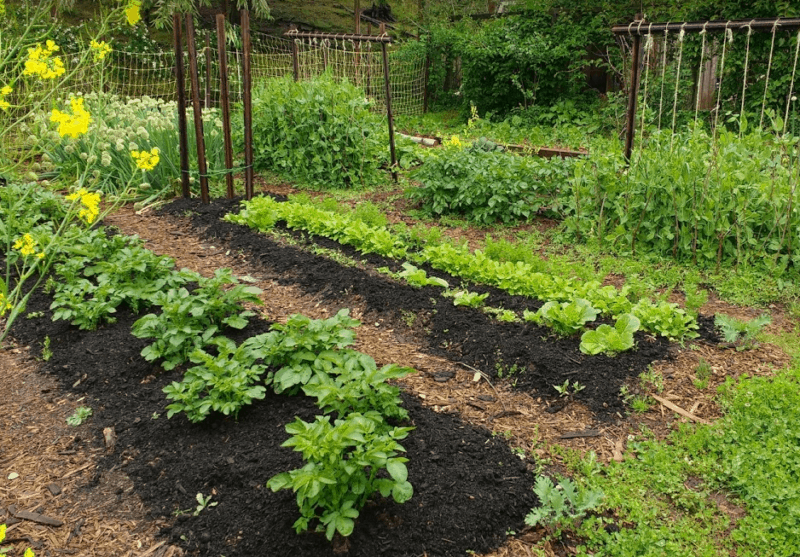
Providing the right support is crucial for getting the most from your small-space climbing plants. Here are some practical ideas for training vines and climbers in compact settings:
- Trellises: Freestanding or wall-mounted trellises are perfect for balconies and patios. Choose materials that suit your climate and aesthetic, such as wood, metal, or even repurposed ladders.
- Fences and Railings: Many climbers can be trained along existing fences or balcony railings, making use of structures already in place.
- Obelisks and Teepees: These vertical supports are ideal for pots and raised beds, especially for edible vines like peas and beans.
- Hanging Baskets: Some compact climbers, like nasturtiums, trail beautifully from baskets, adding greenery and color at various heights.
- Wall Hooks and Wire Grids: For truly tight spaces, install hooks or grids on walls to guide vines upward without taking up floor space.
When choosing supports, consider the mature size and weight of your chosen plants. Regular pruning and guiding of new growth will help keep everything tidy and within bounds.
Best Practices for Growing Vertical Plants in Containers
Many vertical climbing plants for small spaces thrive in containers, making them suitable for patios, decks, and even sunny windowsills. To ensure healthy growth:
- Select containers with adequate drainage and enough depth for the plant’s root system.
- Use high-quality potting mix and consider adding slow-release fertilizer for season-long nutrition.
- Water regularly, as containers dry out faster than garden beds.
- Place pots where they’ll receive the right amount of sunlight for your chosen species.
- Attach supports securely to the container or nearby wall to prevent tipping.
For more inspiration on integrating vertical gardening into a modern homestead, you might enjoy these modern homesteading herbal garden ideas.
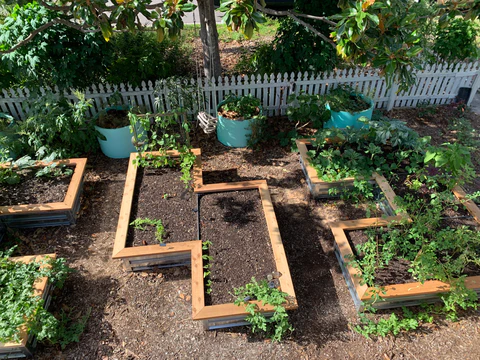
Design Tips for Integrating Vertical Growers
Incorporating climbing plants into a small landscape requires a bit of planning. Here are some design strategies to help you get the most from your vertical garden:
- Layer Heights: Combine low, medium, and tall supports to create depth and visual interest.
- Mix Edibles and Ornamentals: Pair flowering vines with edible climbers for beauty and productivity.
- Use Color: Select varieties with contrasting foliage or vibrant blooms to brighten up walls and fences.
- Rotate Crops: Change out annual climbers each season to keep the display fresh and manage pests.
- Maximize Sunlight: Place supports where they’ll receive optimal light, especially for fruiting plants.
For those interested in the broader context of sustainable living and maximizing space, the introduction to modern homesteading podcast offers valuable insights into efficient, productive homestead design.
Common Challenges and Solutions for Vertical Gardening
While growing upward can solve many space issues, it comes with its own set of challenges. Here are some common issues and how to address them:
- Wind Exposure: Vertical plants can be more susceptible to wind damage. Secure supports firmly and consider windbreaks if needed.
- Watering: Elevated containers and wall planters may dry out quickly. Use mulch and check moisture levels frequently.
- Support Failure: Overloaded trellises can collapse. Choose sturdy materials and don’t overcrowd supports.
- Pest Management: Vertical gardens can sometimes attract climbing pests. Inspect plants regularly and use organic controls as needed.
With thoughtful planning and regular care, you can overcome these hurdles and enjoy a thriving vertical garden, even in the smallest of spaces.
Frequently Asked Questions
What are the easiest climbing plants for beginners with limited space?
Some of the simplest options include sweet peas, bush beans, and compact varieties of clematis. These are easy to train, require minimal pruning, and adapt well to containers or small trellises.
Can I grow vertical plants indoors?
Yes, many climbing species such as ivy, pothos, and even some types of peas can be grown indoors with adequate light and support. Using LED grow lights can help supplement natural sunlight for healthy growth.
How do I prevent my climbing plants from taking over the space?
Choose slow-growing or dwarf varieties and prune regularly to keep growth in check. Training vines onto designated supports and removing stray shoots will help maintain a tidy, manageable display.
Are there edible options for vertical gardening in small areas?
Absolutely. Peas, beans, and climbing nasturtiums are great choices for edible vertical gardens. They’re productive, attractive, and don’t require much space to thrive.
For more tips on getting started with sustainable gardening, check out the modern homesteading beginner mistakes guide to avoid common pitfalls.