For those embracing a self-sufficient lifestyle, understanding how to nourish soil and crops with sustainable methods is essential. This modern homesteading natural fertilizers guide provides practical insights into using organic and homemade amendments to boost garden productivity while maintaining ecological balance. Whether you’re cultivating a backyard plot or managing a larger homestead, adopting natural fertilizers can improve soil health, reduce dependency on synthetic chemicals, and support long-term food security.
Learning about natural soil amendments is a key part of developing self-reliance skills. If you’re interested in expanding your homesteading knowledge, you may also find value in exploring modern homesteading seed starting tips to get your crops off to a strong start.
Why Choose Natural Fertilizers for Homesteads?
Natural fertilizers, often derived from plant, animal, or mineral sources, offer a range of benefits for homesteaders. Unlike synthetic products, these amendments work with the soil’s natural biology, fostering a thriving ecosystem underground. Here are some reasons why many modern homesteaders prefer organic options:
- Soil Health: Natural amendments improve soil structure, increase microbial activity, and enhance nutrient cycling.
- Environmental Stewardship: Using organic fertilizers reduces chemical runoff, protecting local waterways and wildlife.
- Cost-Effectiveness: Many natural fertilizers can be produced from homestead waste, lowering input costs.
- Food Quality: Crops grown with organic amendments often have improved flavor and nutritional value.
Types of Natural Fertilizers for the Homestead
There are several categories of natural fertilizers commonly used in sustainable gardening. Each type offers unique advantages and can be tailored to the needs of specific crops or soil conditions.
Compost: The Cornerstone of Organic Gardening
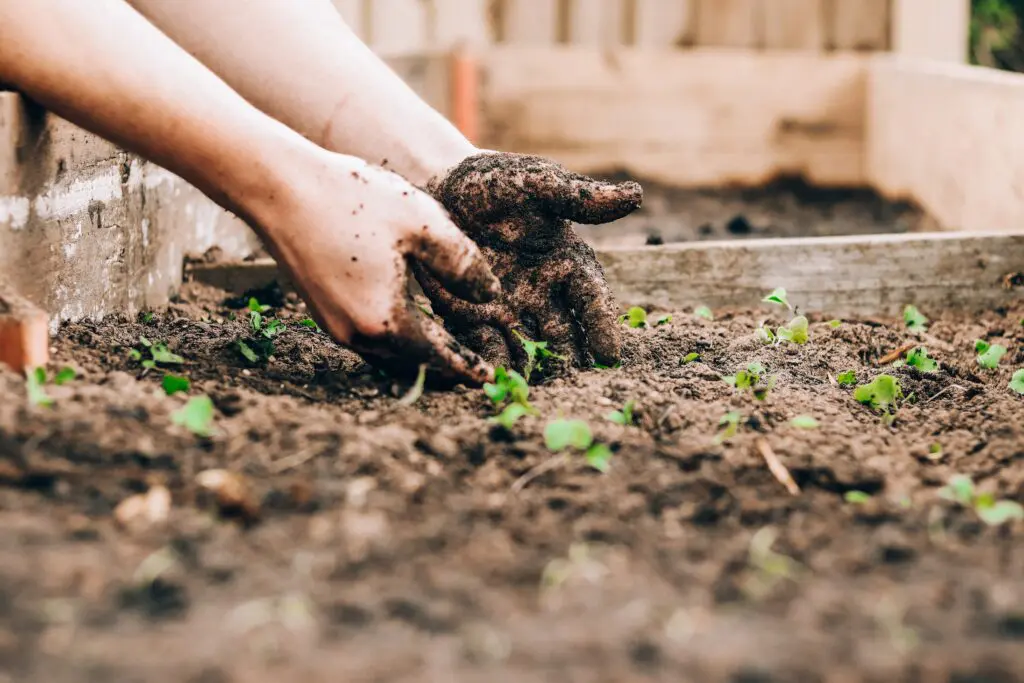
Compost is created by decomposing organic matter such as kitchen scraps, yard waste, and animal manure. This process produces a nutrient-rich material that can be mixed into garden beds or used as mulch. Compost improves soil texture, water retention, and supplies a balanced array of nutrients.
Manure: Animal-Based Nutrient Boost
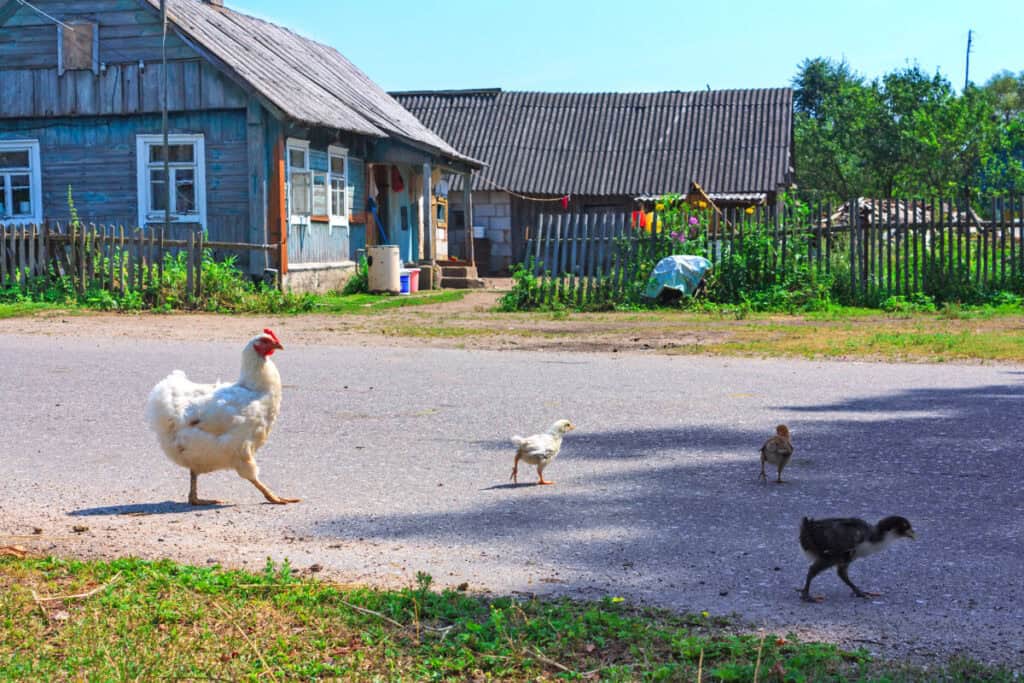
Well-aged manure from chickens, cows, horses, or rabbits is a powerful fertilizer. It supplies nitrogen, phosphorus, potassium, and other trace minerals. It’s important to compost manure before use to kill pathogens and weed seeds. Fresh manure can burn plants and introduce harmful bacteria.
Green Manures and Cover Crops
Planting cover crops such as clover, vetch, or rye during the off-season helps fix nitrogen in the soil and prevents erosion. When these crops are tilled under, they add organic matter and nutrients, acting as a living fertilizer for future plantings.
Mineral Amendments
Natural minerals like rock phosphate, greensand, and lime can correct specific soil deficiencies. For example, lime raises soil pH, while rock phosphate adds phosphorus. Always test your soil before applying mineral amendments to avoid imbalances.
Homemade Fertilizer Recipes for Modern Homesteaders
Making your own fertilizers can be simple and rewarding. Here are a few tried-and-true recipes that fit well with a modern homesteading natural fertilizers guide approach:
- Comfrey Tea: Fill a bucket with comfrey leaves, cover with water, and let steep for 2-3 weeks. Dilute the resulting liquid (1:10 with water) and use as a foliar spray or soil drench.
- Eggshell Powder: Rinse and dry eggshells, then grind into a fine powder. Sprinkle around plants to supply calcium and deter slugs.
- Banana Peel Water: Soak banana peels in water for several days. Use the water to irrigate potassium-loving crops like tomatoes and peppers.
- Wood Ash: Sprinkle small amounts of cooled wood ash around garden beds to raise pH and add potassium. Avoid using ash from treated wood.
Application Tips for Natural Fertilizers
To maximize the benefits of organic amendments, consider the following best practices:
- Apply compost and manure in the fall or early spring to allow nutrients to integrate into the soil.
- Use mulch to retain moisture and prevent nutrient loss.
- Rotate crops and incorporate cover crops to maintain soil fertility and structure.
- Test soil annually to monitor nutrient levels and adjust your fertilization strategy as needed.
Integrating Natural Fertilizers with Other Homestead Practices
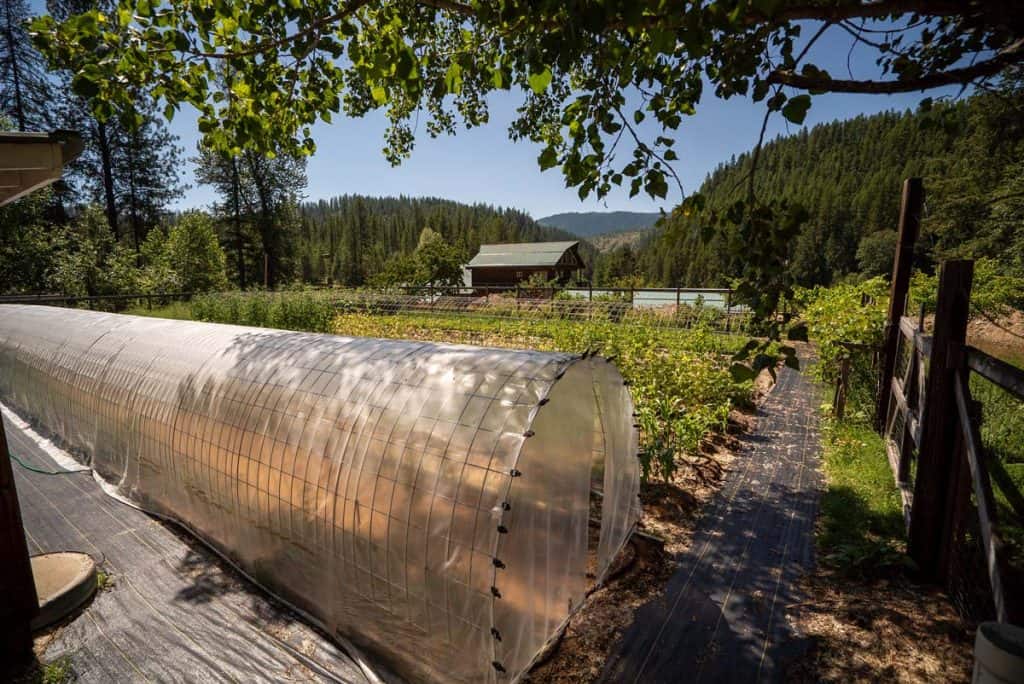
Natural fertilizers are most effective when combined with other regenerative techniques. For example, integrating livestock can provide a steady supply of manure, while rotating animals through pastures helps distribute nutrients evenly. Building resilient fencing systems, as described in the modern homesteading fencing guide, can support rotational grazing and protect your crops.
Herb gardens also benefit from organic amendments. For inspiration, check out these modern homesteading herbal garden ideas to expand your plant diversity and create natural pest barriers.
Learning More About Modern Homesteading and Natural Fertilizers
Staying informed is crucial for success on the homestead. There are many resources available for those looking to deepen their understanding of sustainable agriculture and soil health. For an excellent overview of current trends and practices, listen to this introduction to modern homesteading podcast featuring expert insights and practical tips.
Frequently Asked Questions
What are the main benefits of using natural fertilizers on a homestead?
Natural fertilizers improve soil structure, boost microbial activity, and provide essential nutrients without the negative environmental impacts of synthetic chemicals. They help create a resilient, productive garden ecosystem and can often be made from materials already available on the homestead.
How often should I apply compost or manure to my garden beds?
Most gardens benefit from a generous application of compost or well-aged manure once or twice a year, typically in the fall and/or early spring. The exact frequency depends on your soil’s needs and the intensity of your planting schedule. Regular soil testing can help guide your application rates.
Can I use kitchen scraps directly in my garden as fertilizer?
It’s best to compost kitchen scraps before adding them to your garden. Directly burying raw scraps can attract pests and may not break down quickly enough to benefit your plants. Composting transforms these materials into a stable, nutrient-rich amendment that’s safe and effective for garden use.