Integrating cover crops into compact garden spaces is a practical and sustainable way to boost soil health, suppress weeds, and improve yields. While often associated with large farms, these living mulches are just as valuable for backyard plots, raised beds, and container gardens. By understanding the basics of selecting, planting, and managing green manures, even gardeners with limited space can reap the benefits of this time-tested technique.
This article will walk you through the essentials of using cover crops in smaller garden settings, including the best varieties, timing, and step-by-step instructions for success. Whether you’re new to sustainable gardening or looking to enhance your current practices, these strategies can help you build richer soil and healthier plants with minimal effort.
For those interested in broader self-sufficiency, exploring resources like the history and principles of homesteading can provide additional context and inspiration. If you’re also considering other improvements to your property, the modern homesteading fencing guide offers practical advice for securing your garden space.
Why Small Gardens Benefit from Cover Crops
Even in limited spaces, using cover crops in small gardens offers several advantages:
- Soil Enrichment: Green manures like clover and vetch fix nitrogen, naturally fertilizing your soil for the next planting season.
- Weed Suppression: Dense growth shades out unwanted plants, reducing the need for manual weeding or herbicides.
- Erosion Control: Their roots hold soil in place, preventing nutrient loss from wind or rain.
- Improved Structure: Deep-rooted varieties break up compacted soil, enhancing drainage and root penetration for future crops.
- Increased Biodiversity: Flowering cover crops attract pollinators and beneficial insects, supporting a balanced ecosystem.
Choosing the Right Cover Crops for Compact Spaces
Not all green manures are suitable for small plots or containers. The best choices are those that grow quickly, are easy to manage, and fit your climate and rotation schedule. Here are some top picks for limited garden areas:
- Crimson Clover: Fast-growing, fixes nitrogen, and can be easily cut down before seeding.
- Field Peas: Excellent for spring or fall, adds organic matter and nitrogen.
- Buckwheat: Rapid growth, ideal for summer, smothers weeds, and attracts pollinators.
- Annual Ryegrass: Dense roots improve soil structure and prevent erosion.
- Mustard Greens: Quick to establish and helps with soil pest management.
How to Plant and Manage Green Manures in Small Plots
To get the most from cover crops in small gardens, timing and technique are key. Here’s a step-by-step approach for success:
- Clear the Area: Remove any spent crops, weeds, or debris from your garden bed or container.
- Loosen the Soil: Lightly rake or fork the surface to create a fine seedbed. In raised beds or containers, this is usually quick and easy.
- Sow the Seeds: Broadcast seeds evenly over the surface. For small areas, hand-sowing works well. Lightly rake to cover seeds with a thin layer of soil.
- Water Gently: Keep the soil moist until the seeds germinate and seedlings are established.
- Let Them Grow: Allow the cover crop to reach the recommended height (usually 6–12 inches, depending on the species).
- Terminate Before Seeding: Cut down the plants before they flower and set seed. Use garden shears or a string trimmer for small spaces.
- Incorporate or Mulch: Either dig the green material into the top few inches of soil or leave it as a surface mulch to decompose naturally.
Timing Tips for Maximum Impact
The best time to plant cover crops in small gardens depends on your climate and growing schedule. Here are some general guidelines:
- After Harvest: Sow green manures in late summer or early fall after vegetables are harvested. This protects and enriches soil over winter.
- Before Main Crops: Plant fast-growing varieties in early spring to prepare beds for summer vegetables.
- Between Successions: Use quick cover crops like buckwheat between early and late plantings to keep soil active and weed-free.
For gardeners interested in herbal plants, rotating green manures with culinary or medicinal herbs can further diversify your plot. The modern homesteading herbal garden ideas article offers inspiration for integrating herbs with soil-building practices.
Common Mistakes and How to Avoid Them
While green manures are generally easy to grow, a few pitfalls can limit their effectiveness in small spaces:
- Letting Crops Go to Seed: Always cut down cover crops before they flower to prevent them from becoming weeds.
- Choosing the Wrong Variety: Avoid aggressive perennials or deep-rooted crops that are hard to remove from containers or raised beds.
- Overcrowding: In tiny spaces, sowing too densely can lead to poor air circulation and disease. Follow seed packet recommendations.
- Neglecting Water: Even though these plants are hardy, they still need consistent moisture to establish quickly.
- Not Rotating: Repeating the same green manure every season can lead to pest and disease buildup. Rotate with different families for best results.
For those just starting out, reviewing modern homesteading beginner mistakes can help you avoid common errors and set your garden up for long-term success.
Integrating Cover Crops with Other Small Garden Strategies
Combining green manures with other sustainable practices can maximize the productivity and resilience of your compact plot. Here are a few ideas:
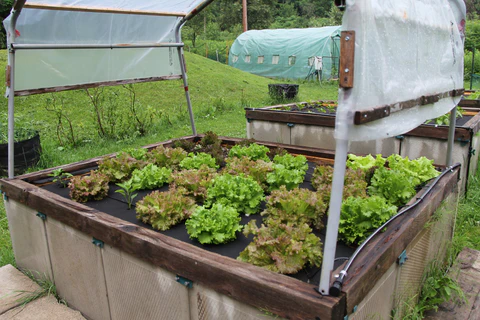
- Raised Beds: Sow cover crops in raised beds between vegetable rotations to keep soil healthy and productive.
- Container Gardening: Even pots and grow bags can benefit from a quick cycle of buckwheat or clover during off-seasons.
- Companion Planting: Use green manures alongside herbs or flowers to attract beneficial insects and improve pollination.
- Minimal Tillage: Instead of digging in cover crops, try cutting them at soil level and mulching in place to protect soil structure.
Frequently Asked Questions
Can I use cover crops in containers or fabric grow bags?
Yes, many green manures are suitable for containers and grow bags. Choose fast-growing, shallow-rooted varieties like buckwheat or crimson clover. Make sure to cut them down before they become woody or set seed, and either mix the residue into the potting mix or use it as a mulch.
How long should I let cover crops grow before cutting them down?
Most cover crops should be terminated when they reach 6–12 inches in height or just before flowering. This is usually 4–8 weeks after sowing, depending on the species and growing conditions. Cutting them at this stage ensures easy management and prevents reseeding.
Do I need to fertilize after using green manures?
In many cases, green manures provide enough nutrients for the next crop, especially if you use legumes that fix nitrogen. However, for heavy feeders like tomatoes or squash, you may still want to supplement with compost or organic fertilizer based on your soil test results.
What’s the best way to terminate cover crops in a small garden?
For small plots, simply cut the plants at the base with garden scissors or shears. You can leave the cut material on the surface as mulch or lightly incorporate it into the top layer of soil. Avoid turning the soil deeply, as this can disrupt soil structure and beneficial organisms.
Embracing green manures in your compact garden is a straightforward way to build healthier soil, reduce weeds, and support sustainable food production. With the right timing and varieties, even the smallest spaces can benefit from this regenerative practice.