Transforming a compact yard, balcony, or patio into a productive and beautiful garden is more achievable than ever. Small-space edible landscaping blends ornamental design with practical food production, making the most of every square foot. Whether you have a tiny backyard, a side yard, or just a sunny porch, you can grow fresh herbs, vegetables, and even fruit in creative ways that enhance your outdoor living area.
This approach is perfect for those who want to enjoy homegrown produce without sacrificing style or space. By combining edible plants with attractive layouts and smart container choices, you can create a lush, inviting environment that also puts food on the table. For those interested in expanding their homesteading skills, exploring resources like the modern homesteading fencing guide can help you protect and organize your garden efficiently.
Planning Your Compact Edible Landscape
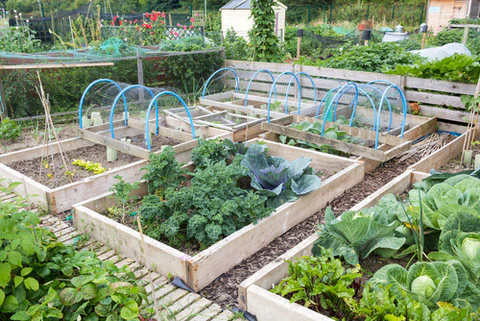
The key to a thriving small garden is thoughtful planning. Start by assessing your available space and sunlight. Even the smallest areas can support a surprising variety of edible plants. Sketch out your space to visualize where containers, raised beds, or vertical elements might fit best.
- Sunlight: Most edible plants need at least 6 hours of direct sun. Track sunlight patterns to choose the right spots.
- Access: Make sure you can easily reach all parts of your garden for watering, harvesting, and maintenance.
- Water: Plan for convenient watering, especially if using containers that dry out quickly.
Consider mixing edible and ornamental plants for a visually appealing design. Herbs like basil, thyme, and chives add texture and fragrance, while lettuces and kale offer colorful foliage. Dwarf fruit trees or berry bushes can serve as attractive focal points.
Creative Container Gardening for Edible Yards
When space is limited, containers are a practical solution for growing food. Pots, planters, and grow bags can be arranged on patios, balconies, or even window sills. Choose containers with good drainage and use high-quality potting mix for best results.
- Vertical planters: Stackable or wall-mounted planters maximize growing area without taking up floor space.
- Hanging baskets: Grow strawberries, cherry tomatoes, or herbs overhead to free up ground space.
- Grow bags: Flexible and lightweight, these are ideal for root crops like potatoes or carrots.
Grouping containers together creates a lush, layered look and makes watering more efficient. Rotate crops seasonally to keep your edible landscape productive year-round.
Vertical Gardening Techniques for Small-Space Edible Landscaping
Going vertical is one of the most effective ways to boost productivity in a compact garden. Trellises, arbors, and wall-mounted planters allow you to grow upwards, making use of fences, walls, or railings.
- Trellised vegetables: Cucumbers, pole beans, and peas thrive when given support to climb.
- Espaliered fruit trees: Train dwarf apple or pear trees flat against a wall for both beauty and harvest.
- Living walls: Modular systems can hold herbs, leafy greens, or even strawberries in a vertical array.
These techniques not only increase yield but also add visual interest and privacy to your outdoor space. For more inspiration on integrating edible plants into your homestead, check out ideas from the modern homesteading herbal garden ideas resource.

Best Edible Plants for Limited Spaces
Selecting the right crops is essential for a successful compact edible garden. Many varieties are bred specifically for containers or small gardens. Here are some top choices:
- Herbs: Basil, parsley, cilantro, mint, and chives thrive in pots and can be harvested regularly.
- Leafy greens: Lettuces, spinach, arugula, and kale grow quickly and can be cut-and-come-again.
- Compact tomatoes: Cherry and patio varieties are ideal for containers and hanging baskets.
- Peppers: Both hot and sweet peppers do well in pots with plenty of sun.
- Root crops: Radishes, carrots, and beets can be grown in deep containers or grow bags.
- Strawberries: Perfect for hanging baskets or vertical planters.
Dwarf fruit trees, such as figs or citrus, can also be grown in large containers. Rotate crops and use succession planting to maximize harvests throughout the season.
Design Tips for Attractive and Productive Edible Gardens
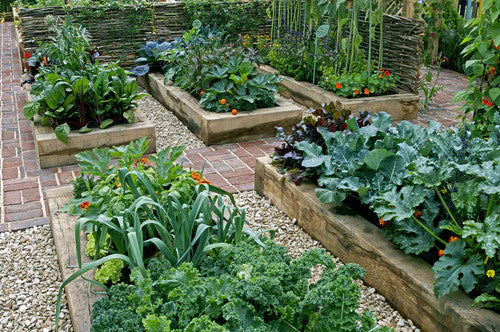
A well-designed edible landscape balances beauty and function. Use a mix of heights, colors, and textures to create visual interest. Interplant flowers like marigolds or nasturtiums with vegetables to attract pollinators and deter pests.
- Layering: Place taller plants at the back or center, with shorter ones in front or around the edges.
- Color: Combine red lettuces, purple basil, and yellow peppers for a vibrant display.
- Pathways: Use stepping stones or gravel to define access and keep the area tidy.
- Focal points: A decorative trellis, colorful containers, or a dwarf fruit tree can anchor the design.
For those interested in sustainable living on a smaller scale, this guide to small-scale homesteading offers practical tips for maximizing productivity and efficiency in limited spaces.
Maintaining Your Small Edible Landscape
Keeping a compact edible garden healthy requires regular attention, but the rewards are worth it. Water consistently, especially during hot weather, and feed plants with organic fertilizer as needed. Remove spent plants and replace them with new crops to keep the garden looking fresh and productive.
Monitor for pests and diseases, and use natural controls whenever possible. Mulching containers helps retain moisture and suppress weeds. With a little daily care, your small-space garden can provide a steady supply of fresh, homegrown food.
Frequently Asked Questions
What are the easiest edible plants to grow in a small area?
Herbs like basil, parsley, and chives, as well as leafy greens such as lettuce and spinach, are among the simplest crops for compact gardens. These plants adapt well to containers and can be harvested repeatedly.
How can I maximize harvests in a limited space?
Use vertical gardening techniques, succession planting, and choose compact or dwarf varieties. Grouping containers and rotating crops throughout the season also helps increase yields.
Can I grow fruit in a small edible landscape?
Yes, many dwarf fruit trees and berry bushes are suitable for containers or small beds. Strawberries, figs, and citrus trees are popular choices for compact gardens.
By applying these small-space edible landscaping strategies, anyone can enjoy the benefits of homegrown food, no matter the size of their outdoor area. For more tips on efficient homestead living, explore resources like the modern homesteading budgeting tips guide.