
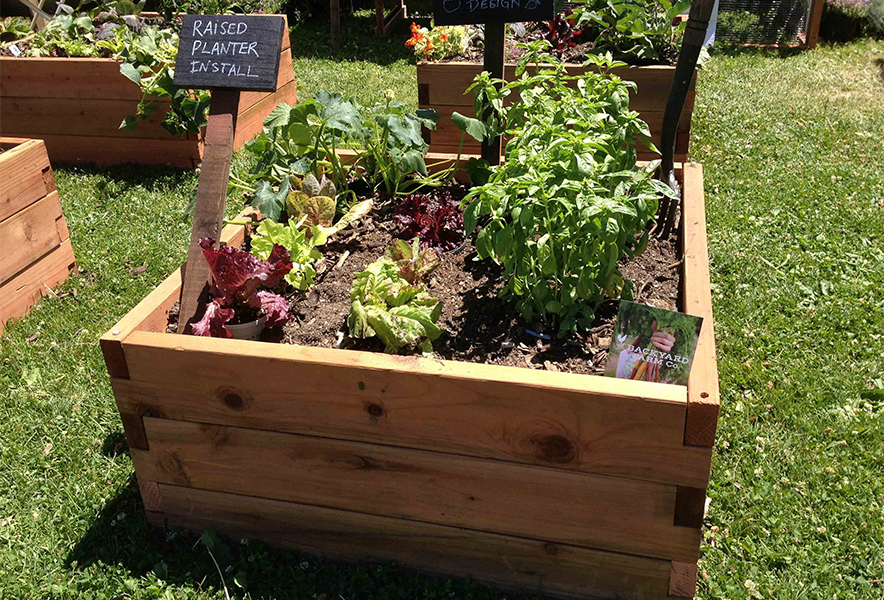
Growing fresh, nutritious spinach doesn’t require a sprawling backyard or elaborate garden beds. With a bit of planning and the right techniques, anyone can enjoy a bountiful harvest of leafy greens—even in the smallest of spaces. This guide offers practical advice for cultivating spinach in compact environments, whether you’re working with a balcony, patio, or a sunny windowsill. By focusing on efficient use of containers, soil quality, and light, you can maximize your yield and enjoy homegrown greens year-round.
For those interested in expanding their homesteading skills beyond leafy greens, exploring resources like the modern homesteading fencing guide can provide valuable insights into creating a productive and sustainable home environment.
Why Choose Spinach for Limited Spaces?
Spinach is an ideal crop for compact gardens due to its fast growth, shallow roots, and high nutritional value. It thrives in containers, raised beds, and even vertical planters, making it a favorite among urban gardeners and those with minimal outdoor space. Additionally, spinach can be harvested multiple times through the “cut and come again” method, providing a continuous supply of greens throughout the growing season.
Best Containers and Growing Setups for Spinach
When practicing small-space spinach gardening, the choice of container plays a crucial role in plant health and productivity. Spinach prefers containers that are at least 6–8 inches deep, allowing enough room for root development. Options include:
- Standard pots made from ceramic, plastic, or terracotta
- Fabric grow bags, which offer excellent drainage and root aeration
- Window boxes or railing planters for balconies
- Raised beds for patios or small yards
Soil, Fertilizer, and Watering Tips
The foundation of a successful spinach crop is healthy, well-draining soil. Use a high-quality potting mix rich in organic matter. Spinach prefers slightly acidic to neutral soil (pH 6.0–7.0). To boost fertility, mix in compost or a slow-release organic fertilizer before planting. Throughout the growing season, supplement with a balanced liquid fertilizer every 2–3 weeks to support lush leaf growth.
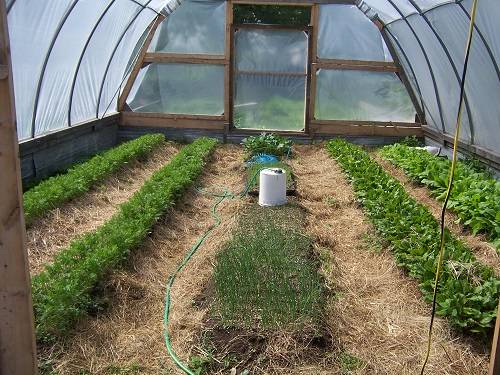
Consistent moisture is essential, but avoid waterlogged conditions. Water when the top inch of soil feels dry, and ensure containers have drainage holes to prevent root rot. Mulching the soil surface with straw or shredded leaves can help retain moisture and keep roots cool.
Lighting Requirements for Indoor and Outdoor Setups
Spinach thrives in cool weather and prefers full sun to partial shade. For outdoor setups, place containers where they receive at least 4–6 hours of sunlight daily. In hot climates, some afternoon shade can prevent bolting (premature flowering).
For indoor small-space spinach gardening, position containers near a bright window or supplement with LED grow lights. Modern LED fixtures provide the full spectrum of light needed for healthy growth, making it possible to cultivate spinach even in apartments with limited natural light.
Planting and Spacing Strategies for Compact Gardens
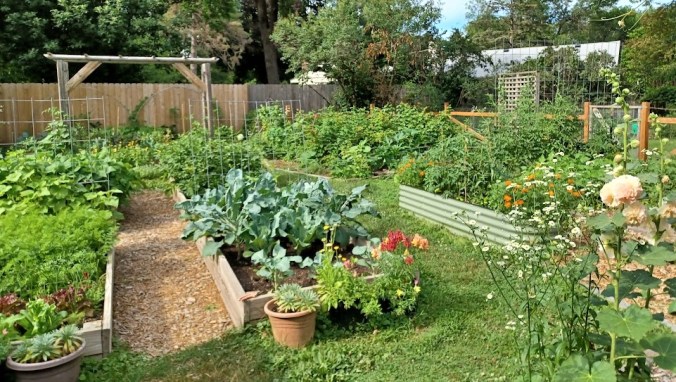
Spinach seeds can be sown directly into containers or started indoors and transplanted. For best results, plant seeds about 1/2 inch deep and space them 2–3 inches apart. If using rows in a raised bed or window box, maintain 6 inches between rows to allow for airflow and easy harvesting.
To maximize your harvest in tight quarters, try succession planting. Sow a new batch of seeds every 2–3 weeks to ensure a steady supply of young, tender leaves. Thinning seedlings as they grow will prevent overcrowding and promote healthy development.
Harvesting and Maintaining Healthy Spinach Plants
Spinach leaves are ready to harvest when they reach about 3–4 inches long. Use clean scissors or pinch off outer leaves, allowing the center of the plant to continue producing. Regular harvesting encourages new growth and prolongs the productive period.
Watch for common issues such as yellowing leaves (often a sign of overwatering or nutrient deficiency) and pests like aphids or leaf miners. Remove affected leaves promptly and use organic pest control methods if needed. Healthy, well-tended spinach is less likely to suffer from disease or infestation.
Expanding Your Urban Homesteading Skills
Growing spinach in small spaces is just one way to embrace self-sufficiency and fresh food production. Many urban gardeners find inspiration in the broader homesteading movement, which includes practices like container gardening, composting, and sustainable living. For those interested in the history and evolution of these practices, the history of homesteading provides fascinating context and ideas for modern adaptation.
To further diversify your homegrown harvest, consider exploring modern homesteading herbal garden ideas for tips on cultivating herbs alongside your leafy greens. Combining different crops in small spaces can boost productivity and add variety to your meals.
Frequently Asked Questions
How much sunlight does spinach need in a small-space garden?
Spinach grows best with at least 4–6 hours of sunlight daily. If you’re gardening indoors or in a shaded area, supplementing with LED grow lights can help maintain healthy growth and prevent leggy plants.
What is the best container size for spinach?
Choose containers that are at least 6–8 inches deep with good drainage. This depth supports healthy root development and helps retain moisture without causing waterlogging.
Can spinach be grown year-round in compact spaces?
Yes, with the right setup. Indoors, spinach can be grown year-round using containers and grow lights. Outdoors, you can extend the season by planting in early spring and fall, or by using cold frames and row covers in cooler climates.