Urban gardeners and homesteaders often face the challenge of limited growing areas. Yet, with the right strategies, it’s possible to produce a steady supply of fresh vegetables and herbs even in compact environments. This article explores practical methods for cultivating quick-harvest crops efficiently, maximizing yields in tight quarters, and making the most of every inch available.
Whether you’re working with a balcony, patio, or a modest backyard plot, learning how to optimize your setup for rapid growth can transform your food supply. We’ll cover crop selection, container gardening, soil management, and proven techniques to help you harvest sooner and more often. For those interested in broader homesteading skills, the modern homesteading herbal garden ideas guide offers more inspiration for small-scale growing.
Choosing Quick-Growing Varieties for Limited Areas
Selecting the right crops is the foundation of any successful small-space garden. Focus on vegetables and greens that mature rapidly and can be harvested in succession. Some of the best options include:
- Radishes – Ready in as little as 25 days, making them ideal for repeated sowing.
- Leaf lettuce – Many varieties can be harvested as baby greens within 30 days.
- Spinach – Fast to germinate and tolerant of partial shade.
- Arugula – Spicy greens that thrive in containers and grow quickly.
- Green onions – Can be grown densely and harvested young.
- Bok choy and other Asian greens – Compact and quick to mature.
By focusing on these speedy crops, you can achieve multiple harvests throughout the season. Consider mixing different varieties in the same container or bed to maximize diversity and output.
Optimizing Containers and Raised Beds
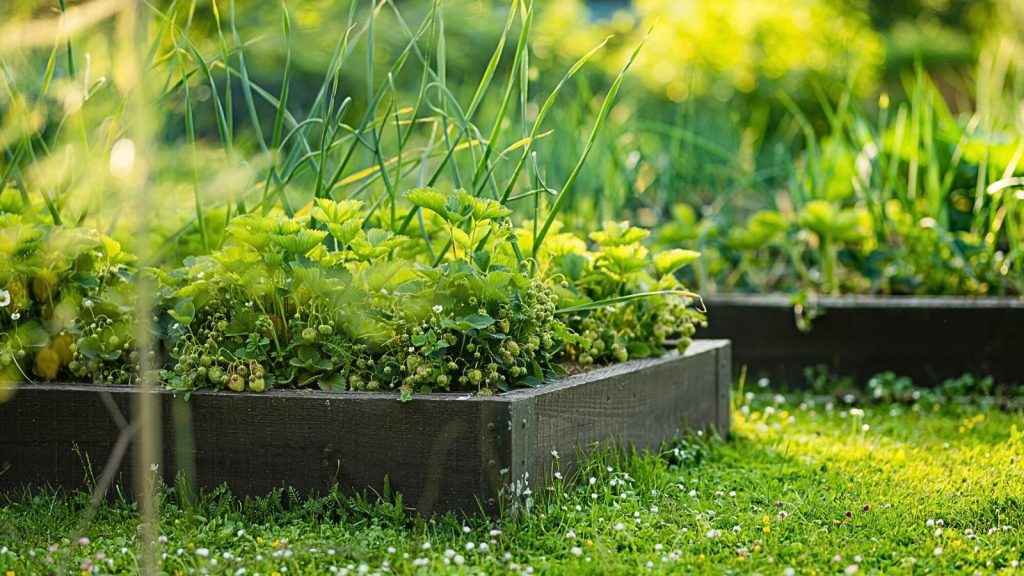
When outdoor space is at a premium, containers and raised beds become essential tools. They allow for better soil control, improved drainage, and easier access. Use deep pots for root vegetables and shallow trays for leafy greens. Vertical gardening—using trellises, shelves, or wall-mounted planters—can further increase your growing area without expanding your footprint.
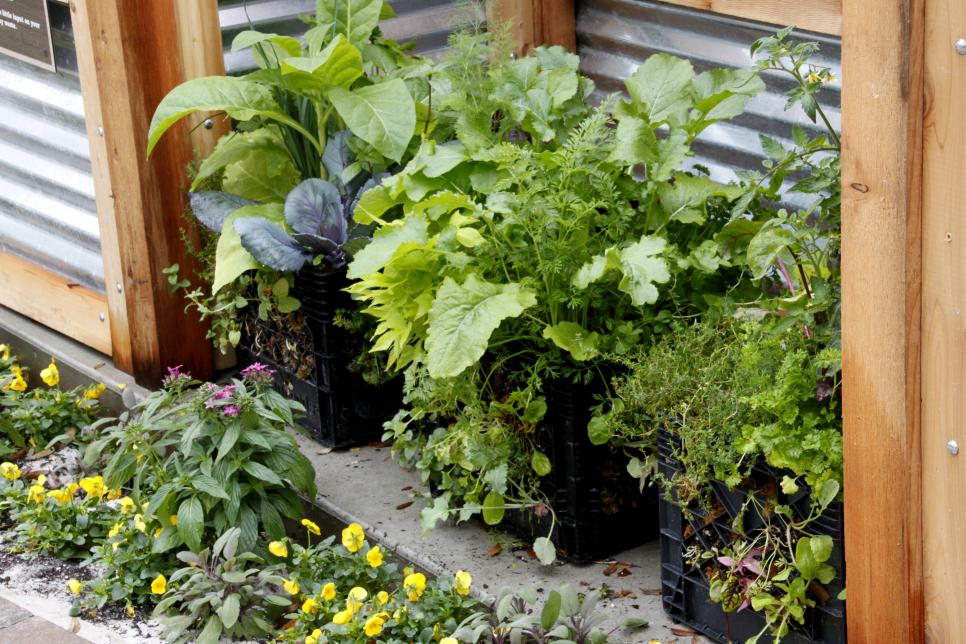
For those interested in self-sufficiency, container gardening is a core principle of modern homesteading. It enables food production in urban apartments, small patios, or even indoors with the right lighting.
Soil and Fertility Management for Speedy Growth
Healthy, nutrient-rich soil is vital for fast-maturing crops. Use a high-quality potting mix blended with compost to ensure plants receive the nutrients they need. In small containers, nutrients can be depleted quickly, so regular feeding with an organic liquid fertilizer is recommended.
- Test soil moisture daily—fast crops need consistent watering but should not be waterlogged.
- Mulch the surface to retain moisture and suppress weeds.
- Rotate crops and refresh soil between plantings to prevent disease buildup.
Amending soil with worm castings or slow-release fertilizers can further boost plant health and speed up growth cycles.
Succession Planting and Intensive Spacing Techniques
To maximize harvests in a small area, use succession planting—sowing new seeds every 1–2 weeks. This ensures a continuous supply of fresh produce rather than a single large harvest. Intensive spacing, such as the square foot gardening method, allows you to plant crops closer together, making the most of every inch.
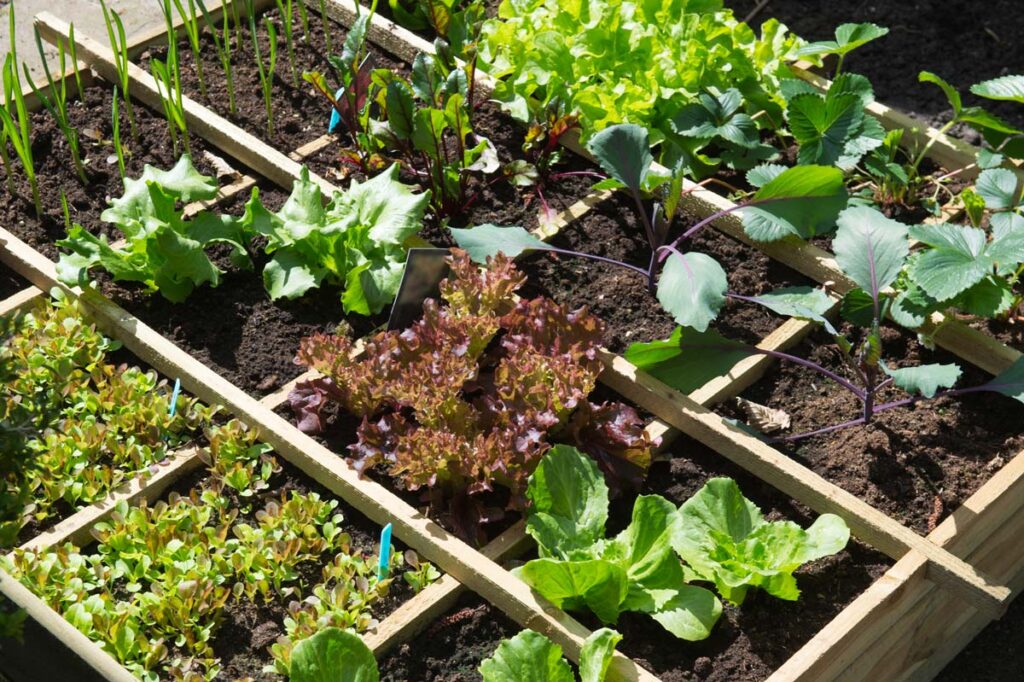
When using these methods, monitor plant health closely and thin seedlings if overcrowding occurs. This approach is especially effective for leafy greens, herbs, and root vegetables.
Lighting and Environmental Considerations
Adequate sunlight is crucial for rapid crop development. Most fast-growing vegetables require at least 6 hours of direct light daily. If natural light is limited, especially indoors or on shaded balconies, supplement with LED grow lights to maintain healthy growth rates.
Protect plants from extreme temperatures by moving containers as needed or using shade cloth during heat waves. For early spring or late fall planting, consider row covers or cold frames to extend your growing season and encourage faster maturity.
Harvesting and Replanting for Continuous Production
Frequent harvesting encourages many crops to produce more leaves or roots. Cut-and-come-again greens like lettuce and spinach can be trimmed several times before replanting is necessary. As soon as a crop is finished, clear the space, amend the soil, and sow new seeds to keep your garden productive.
Keeping a planting calendar helps track when to start new batches and ensures a steady rotation of crops throughout the year.
Common Challenges and Solutions in Compact Gardens
Small-space gardening comes with unique obstacles, such as limited airflow, increased pest pressure, and rapid soil drying. Here are some solutions:
- Pest control: Use row covers, encourage beneficial insects, and inspect plants regularly.
- Water management: Water early in the day and use self-watering containers if possible.
- Soil health: Rotate crops and add organic matter frequently to prevent nutrient depletion.
For more tips on optimizing your homestead, explore the modern homesteading beginner mistakes article to avoid common pitfalls.
FAQ: Fast-Growing Crops in Small Gardens
What are the fastest vegetables to grow in containers?
Some of the quickest options include radishes, arugula, baby lettuce, spinach, and green onions. These crops can be harvested within 3–5 weeks and are well-suited to pots or grow bags.
How can I maximize yields in a limited growing area?
Use intensive planting techniques like square foot gardening, succession sowing, and vertical planters. Choose compact, fast-maturing varieties and keep soil fertility high for best results.
Is it possible to grow crops indoors without natural sunlight?
Yes, with the help of LED grow lights, many leafy greens and herbs can be grown indoors year-round. Ensure your setup provides enough light intensity and keep plants close to the light source for optimal growth.
Conclusion
Growing quick-harvest crops in tight spaces is achievable with thoughtful planning and the right tools. By selecting suitable varieties, using efficient containers, and maintaining soil health, you can enjoy fresh produce even in the smallest garden. For more advice on sustainable living and self-reliance, check out guides like the modern homesteading fencing guide to further enhance your homesteading journey.