Establishing effective boundaries is one of the most important steps for anyone embracing a self-sufficient lifestyle. Whether you’re raising livestock, protecting gardens, or simply marking property lines, the right fencing solutions can make a significant difference in both daily operations and long-term sustainability. This guide explores practical approaches, materials, and tips for building and maintaining fences that meet the unique needs of today’s homesteaders.
If you’re also interested in optimizing other aspects of your property, such as pest management or seasonal planning, you might find the modern homesteading natural pest control resource helpful as well.
Understanding Fencing Needs on a Modern Homestead
Every property is different, and so are the reasons for installing fences. Before choosing materials or designs, it’s essential to assess your specific requirements. Consider the following:
- Animal containment: Are you keeping chickens, goats, cattle, or other livestock?
- Garden protection: Do you need to keep deer, rabbits, or other wildlife out of crops?
- Property boundaries: Is your main goal to mark territory or prevent trespassing?
- Safety and aesthetics: Do you want a fence that looks appealing while providing security?
Identifying your main priorities will help you select the most suitable fencing type and layout for your land.
Popular Fencing Types for Self-Sufficient Properties
There’s no one-size-fits-all solution when it comes to fencing for homesteads. The following options are commonly used, each with its own advantages and drawbacks.
Woven Wire and Field Fencing
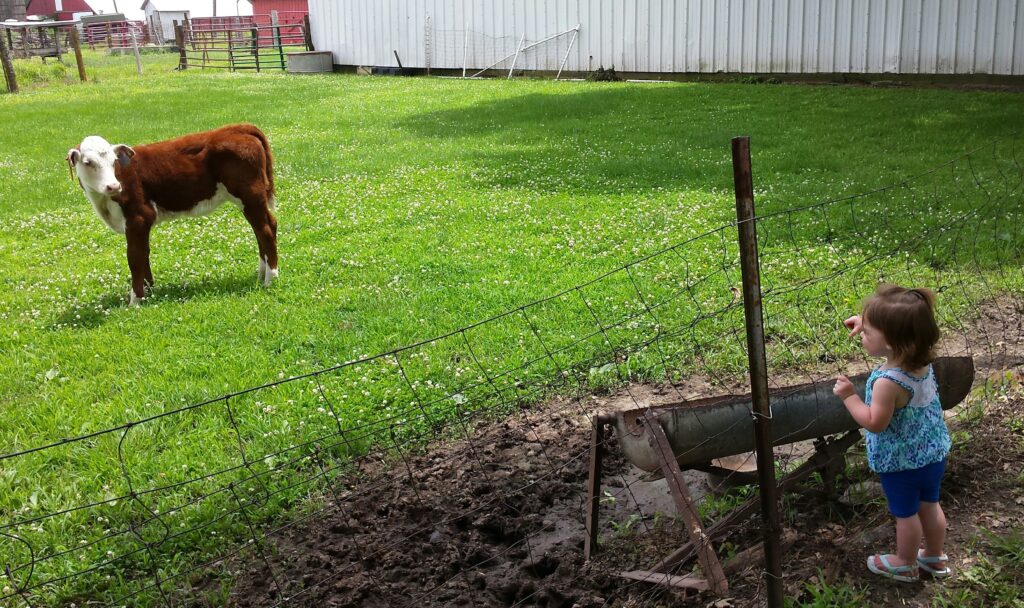
Woven wire is a versatile choice for containing a variety of animals, from sheep to cattle. It’s durable, relatively easy to install, and can be combined with electric strands for added security. Field fencing is especially popular for larger livestock and perimeter boundaries.
Electric Fencing Solutions
Electric fences offer flexibility and can be used as a primary barrier or as reinforcement for existing structures. They’re particularly effective for rotational grazing systems and temporary enclosures. Modern electric fencing systems are easy to set up and can be powered by solar or battery units, making them ideal for remote areas.
Wooden and Rail Fences
Traditional wooden fencing, such as split rail or post-and-board designs, is visually appealing and sturdy. While more labor-intensive to install, wood offers a classic look and can last for decades with proper maintenance. This type is often used for horse enclosures or as decorative boundary markers.
Garden and Small Animal Barriers
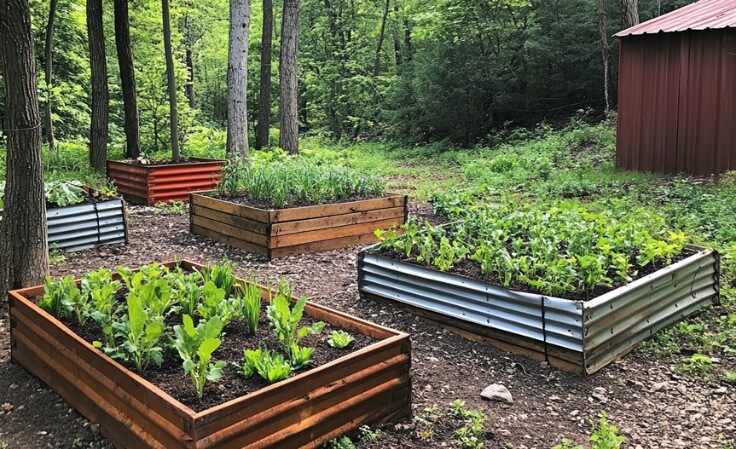
Protecting gardens and poultry runs often requires tighter mesh or hardware cloth to keep out smaller predators and pests. Raised beds with fencing, or chicken wire enclosures, can safeguard vegetables and delicate crops from wildlife.
Choosing Materials for Long-Term Durability
The longevity of your fencing depends largely on the materials you select. Here are some considerations:
- Pressure-treated wood resists rot and insect damage, making it a solid choice for posts and rails.
- Galvanized steel or aluminum wire is less prone to rust and can withstand harsh weather conditions.
- Composite and recycled materials are gaining popularity for their sustainability and low maintenance requirements.
Investing in quality materials up front can save time and money on repairs and replacements down the road.
Planning and Installing Your Homestead Fence
Proper planning is key to a successful fencing project. Start by mapping out your property and marking the intended fence line. Take note of terrain changes, water sources, and existing structures. Here are some practical steps:
- Measure the perimeter and calculate the amount of material needed.
- Set sturdy corner and gate posts first, as these bear the most tension.
- Use a string line to keep fence runs straight and level.
- Install intermediate posts at regular intervals for support.
- Attach fencing material securely, ensuring there are no gaps or weak spots.
For more inspiration on property layout and design, the modern homesteading homestead design ideas article offers practical tips for maximizing both function and aesthetics.
Maintaining Fences for Ongoing Security
Regular maintenance is essential for keeping your boundaries secure and your animals safe. Here’s what to watch for:
- Check for loose wires, broken boards, or leaning posts after storms or heavy winds.
- Clear vegetation and debris that could cause damage or short out electric lines.
- Inspect gates and latches to ensure they close and lock properly.
- Apply protective coatings or stains to wood to extend its life.
Scheduling routine inspections—especially at the change of seasons—can help you catch issues early and avoid costly repairs.
Integrating Fencing with Other Homestead Systems
Fencing is just one part of a resilient, self-sufficient property. It works best when integrated with other systems such as rotational grazing, companion planting, and pest management. For example, using fencing to section off grazing areas can improve pasture health and animal well-being. Similarly, combining barriers with modern homesteading greenhouse tips can protect sensitive crops and extend your growing season.
For a broader look at how fencing fits into the evolving landscape of self-reliant living, this overview of contemporary homesteading practices offers valuable context and additional resources.
Frequently Asked Questions
What is the best fencing option for keeping out deer and small wildlife?
A combination of tall woven wire fencing and hardware cloth at the base is effective for deterring deer and smaller animals. For gardens, consider fences at least 8 feet high, with mesh small enough to prevent rabbits and groundhogs from squeezing through.
How often should I inspect and maintain my homestead fences?
It’s wise to walk your fence lines at least once each season, and after any major weather event. Look for signs of wear, loose wires, or damage from animals. Regular maintenance extends the life of your investment and keeps your property secure.
Can electric fencing be used safely around children and pets?
Yes, modern electric fences are designed to deliver a non-lethal shock that deters animals without causing harm. However, always post warning signs and educate family members about safety. Use lower voltage settings for areas accessible to pets or children.
How do I choose between permanent and temporary fencing solutions?
Permanent fences are ideal for property boundaries and long-term animal enclosures. Temporary or portable fencing, such as electric netting, works well for rotational grazing or seasonal garden protection. Assess your needs and budget to determine the best mix for your land.
Conclusion
Building and maintaining effective boundaries is a cornerstone of successful self-reliant living. By understanding your property’s unique needs, selecting durable materials, and integrating fencing with other systems, you can create a secure and productive environment for both people and animals. With careful planning and regular upkeep, your investment in quality fencing will pay off for years to come.