Embracing a homesteading lifestyle means taking a hands-on approach to food, from growing and raising your own ingredients to preparing nourishing meals at home. Effective meal planning is essential for anyone seeking to make the most of what their land and hard work provide. With a thoughtful strategy, you can reduce waste, save time, and enjoy a more sustainable way of eating.
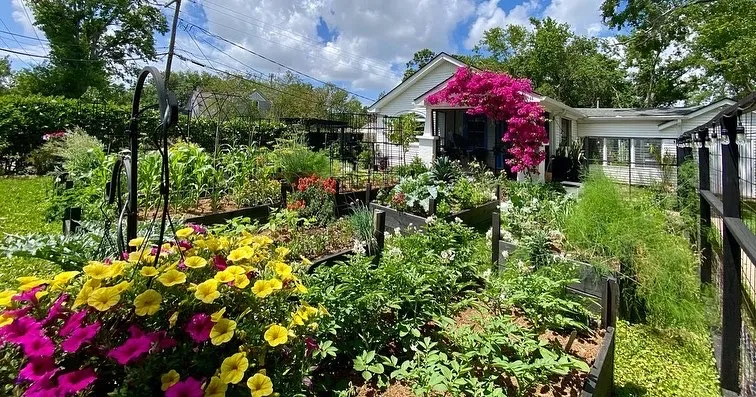
Whether you have a sprawling acreage or a compact backyard, learning how to plan meals around your harvests and pantry staples is a cornerstone of self-reliant living. For those interested in optimizing their property for food production, you might find inspiration in modern homesteading homestead layout ideas, which can help you maximize your growing space and streamline your routines.
Why Strategic Meal Planning Matters for Homesteaders
A well-organized approach to meals helps homesteaders make the best use of homegrown and homemade foods. By aligning your menus with the seasons and your pantry inventory, you can avoid last-minute trips to the store and reduce food spoilage. This not only saves money but also supports a more sustainable and resilient household.
For those working with limited space or resources, focusing on modern homesteading meal planning tips can help you stretch your harvest and ensure that nothing goes to waste. This practice is about more than just efficiency—it’s about building a lifestyle that values resourcefulness and self-sufficiency.
Assessing Your Pantry and Preserved Foods
Before planning your weekly or monthly menus, take stock of what you already have. Home-preserved goods, root cellar staples, and bulk dry goods are the backbone of many homestead kitchens. Keeping an up-to-date inventory makes it easier to plan meals that rotate through your stores and prevent items from expiring.
- Review canned, dried, and frozen foods regularly.
- Organize shelves by expiration date for easy access.
- Plan meals around what needs to be used up first.
This proactive approach ensures you get the most from your preservation efforts and keeps your food budget in check.
Seasonal Eating: Aligning Menus with the Harvest
One of the joys of homesteading is eating with the seasons. When you plan meals around what’s currently growing or ready to harvest, you enjoy peak flavor and nutrition while minimizing reliance on store-bought produce.
Consider these strategies for seasonal meal planning:
- Base your weekly menu on what’s abundant in your garden or from your livestock.
- Preserve excess produce through canning, freezing, or dehydrating for use in off-seasons.
- Experiment with new recipes that highlight seasonal ingredients.
By adapting your meals to the rhythm of your land, you’ll discover new favorites and keep your table interesting year-round.
Batch Cooking and Make-Ahead Meals
Homesteaders often juggle many responsibilities, so having ready-to-eat meals can be a lifesaver. Batch cooking—preparing large quantities of food at once—lets you take advantage of harvest peaks and busy days.
- Prepare soups, stews, and casseroles in bulk and freeze portions for later.
- Use slow cookers or pressure cookers to save time and energy.
- Plan for leftovers by intentionally doubling recipes.
This method not only saves time but also helps you use up ingredients before they spoil, making it a key part of any modern homesteading meal planning routine.
Incorporating Livestock and Eggs into Your Diet
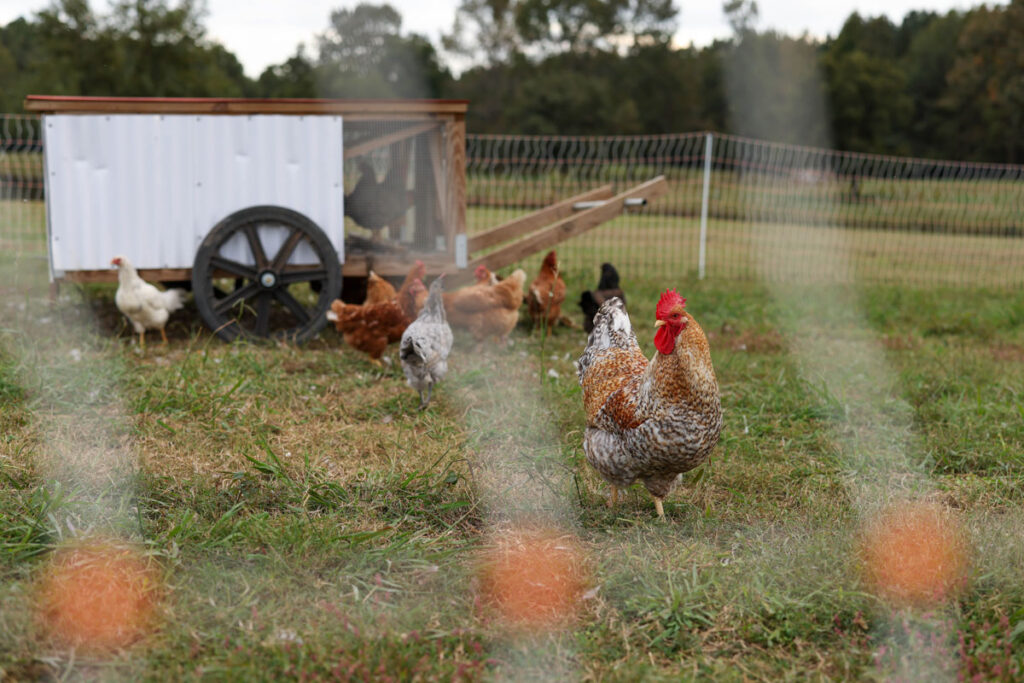
If your homestead includes chickens, goats, or other livestock, you’ll want to plan meals that make the most of these fresh resources. Eggs, for example, are a versatile protein that can be featured in breakfasts, baked goods, and even dinner dishes.
Consider rotating animal products through your meal plan to ensure variety and balance. For example:
- Feature eggs in frittatas, quiches, or homemade pasta.
- Plan for roast chicken or stews when processing poultry.
- Use dairy in sauces, yogurts, or homemade cheese.
This approach helps you make the most of your animals’ contributions and keeps your meals interesting.
Reducing Food Waste and Maximizing Resources
Minimizing waste is a core value for many homesteaders. By planning meals that use up leftovers and scraps, you can stretch your resources further and reduce your environmental impact.
- Transform vegetable trimmings into homemade stocks or broths.
- Repurpose stale bread into croutons, breadcrumbs, or bread pudding.
- Compost kitchen scraps to enrich your garden soil, following a modern homesteading composting guide.
These habits not only save money but also close the loop in your food system, making your homestead more resilient.
Tools and Resources for Efficient Meal Planning
Staying organized is easier with the right tools. Many homesteaders rely on simple spreadsheets, whiteboards, or printable planners to map out meals and shopping lists. Digital apps can also help track inventory and generate recipes based on what you have on hand.
For those new to this lifestyle, learning more about the basics of homesteading can provide valuable context and ideas for building your own routines.
Adapting Meal Planning for Small Spaces and Limited Resources
Not every homesteader has acres of land or a fully stocked pantry. If you’re working with less, focus on high-yield crops, container gardening, and creative storage solutions. For more tailored advice, explore the modern homesteading for small spaces guide.
Even with limited resources, you can apply the same principles: plan around what you grow, preserve surplus, and make the most of every ingredient.
Frequently Asked Questions
How can I start meal planning if I’m new to homesteading?
Begin by taking inventory of what you currently grow, raise, or preserve. Start with simple weekly menus that use what’s in season or in your pantry. As you gain experience, you can expand to monthly or seasonal plans.
What are some ways to preserve excess harvest for future meals?
Popular methods include canning, freezing, dehydrating, and fermenting. Choose preservation techniques that suit your available equipment and storage space. Rotating preserved goods into your regular meal plans helps prevent waste.
How do I reduce food waste on a small homestead?
Plan meals that use up leftovers and scraps, such as soups, casseroles, or stir-fries. Compost inedible parts to enrich your soil. Keeping a running inventory and planning ahead are key to minimizing spoilage.
For more practical advice on growing and producing your own food, check out these modern homesteading backyard farming tips to further support your journey.