The concept of modern homesteading examples has gained significant traction as more people look for ways to live sustainably, reduce their reliance on traditional supply chains, and reconnect with nature. Today’s homesteaders blend time-tested skills with modern conveniences, creating unique lifestyles that balance self-sufficiency and practicality. Whether you’re on a sprawling rural property or a small suburban lot, there are countless ways to embrace this approach.
If you’re just starting out, you might find the modern homesteading for beginners guide especially helpful for laying a strong foundation. This article will showcase a variety of real-world approaches, offering practical ideas and inspiration for anyone interested in this rewarding lifestyle.

What Defines a Modern Homestead?
At its core, a modern homestead is about integrating self-reliant practices into daily life, regardless of location or scale. Unlike traditional homesteads, which often relied solely on manual labor and off-grid living, today’s versions might include solar panels, rainwater harvesting, or even smart home technology. The key is adapting sustainable methods to fit your own needs and resources.
For a comprehensive overview of the philosophy and history behind this movement, you can explore this detailed explanation of homesteading and how it’s evolving in the 21st century.
Urban and Suburban Homesteading in Action
Many people assume that homesteading requires acres of land, but some of the most creative modern homesteading examples come from city and suburban dwellers. These individuals and families maximize small spaces to grow food, raise small livestock, and reduce waste.
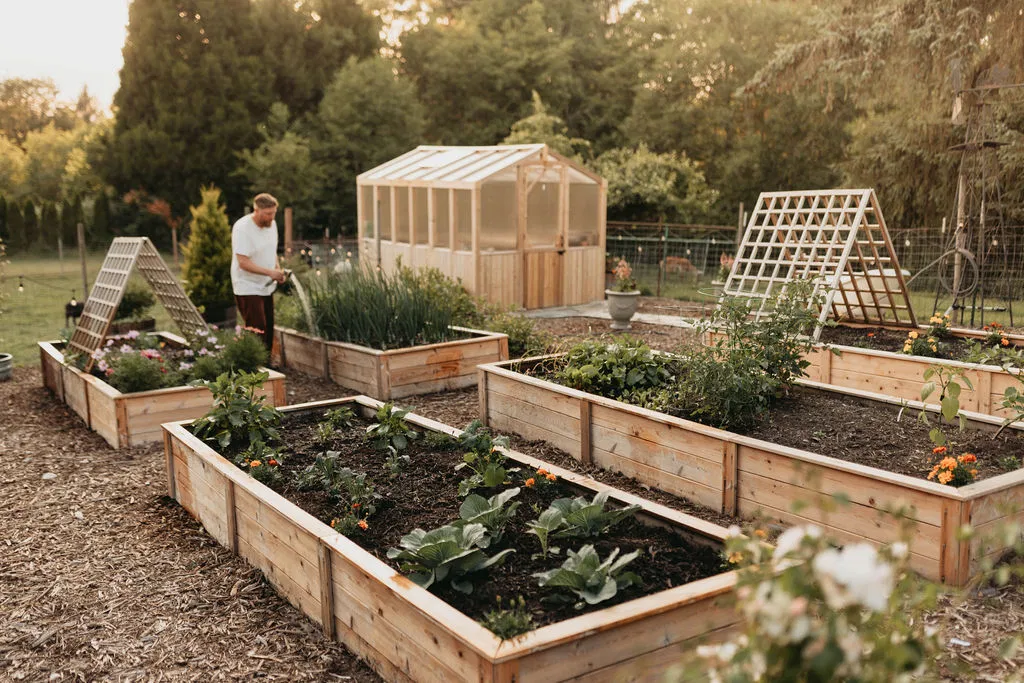
- Container Gardening: Urban homesteaders often use balconies, rooftops, or patios to grow vegetables, herbs, and even dwarf fruit trees in pots and raised beds.
- Backyard Chickens: With the right permits, keeping a few hens for fresh eggs is possible in many suburban neighborhoods.
- Composting: Kitchen scraps and yard waste are turned into nutrient-rich compost, reducing landfill contributions and improving soil health.
- Water Conservation: Rain barrels and drip irrigation systems help minimize water use and lower utility bills.
Rural Homesteads: Traditional Skills with a Modern Twist
Those with more land often incorporate a wider range of activities, blending old-fashioned know-how with new technology. Here are some standout practices:
- Permaculture Design: Many rural homesteads use permaculture principles to create self-sustaining ecosystems, integrating gardens, orchards, and livestock in a way that mimics nature.
- Renewable Energy: Solar panels, wind turbines, and micro-hydro systems provide clean energy, reducing dependence on the grid.
- Animal Husbandry: Raising goats, sheep, or cattle for milk, meat, and fiber is common, with many homesteaders also making their own cheese, yogurt, or soap.
- Food Preservation: Canning, dehydrating, fermenting, and freezing ensure a year-round supply of homegrown food.
For more creative ideas to implement on your property, check out these modern homesteading ideas that focus on sustainability and innovation.
Off-Grid Living and Self-Sufficiency
Some of the most inspiring modern homesteading examples involve living off the grid. These homesteaders rely on alternative energy, independent water sources, and minimal outside inputs. Their lifestyles demonstrate what’s possible with careful planning and a commitment to self-reliance.
- Solar and Wind Power: Off-grid homes often use a combination of solar panels and wind turbines to generate electricity.
- Rainwater Harvesting: Collecting and purifying rainwater provides a reliable water supply for drinking, irrigation, and livestock.
- Wood Heat: Many off-grid homesteads use wood stoves or rocket mass heaters for warmth and cooking.
- DIY Construction: Building with natural materials like cob, straw bale, or reclaimed wood reduces costs and environmental impact.
Community and Cooperative Homesteads
Not all homesteaders go it alone. Some join forces with neighbors or form intentional communities to share resources, labor, and knowledge. These collaborative efforts often include:
- Shared Gardens: Community gardens allow multiple families to grow food together, splitting the harvest and responsibilities.
- Tool Libraries: Instead of each household buying expensive equipment, members borrow tools as needed.
- Skill Swaps: People trade expertise in areas like carpentry, animal care, or food preservation, strengthening the group’s overall resilience.
- Bulk Buying: Purchasing seeds, feed, or supplies in bulk reduces costs and waste.
For those interested in maximizing independence, a self-sufficient homestead guide can offer practical steps for building a more resilient lifestyle, whether solo or as part of a group.
Blending Technology and Tradition
One of the defining features of today’s homesteads is the seamless integration of technology with traditional skills. Many successful examples use:
- Smart Irrigation Systems: Automated watering helps conserve water and ensures healthy crops.
- Online Communities: Social media groups and forums connect homesteaders, allowing them to share advice, troubleshoot problems, and celebrate successes.
- Remote Work: With high-speed internet, many homesteaders support themselves through remote jobs or online businesses, making rural living more accessible than ever.
- Apps and Sensors: Monitoring soil moisture, weather, and livestock health is easier with modern gadgets, helping to prevent problems before they start.
Tips for Getting Started with Modern Homesteading
If you’re inspired by these approaches, here are some practical steps to begin your own journey:
- Start Small: Choose one or two projects, such as a vegetable garden or compost bin, and build from there.
- Learn Continuously: Take advantage of books, online resources, and local workshops to expand your skills.
- Network Locally: Connect with other homesteaders in your area for support and idea sharing.
- Adapt to Your Space: Whether you have a balcony or several acres, tailor your efforts to fit your environment and lifestyle.
- Be Patient: Building a productive homestead takes time, experimentation, and persistence.
For actionable advice and proven strategies, the modern homesteading tips resource is packed with helpful information for both beginners and experienced practitioners.
Frequently Asked Questions
What are some easy ways to start homesteading in the city?
Urban dwellers can begin by growing herbs and vegetables in containers, setting up a small compost bin, and reducing waste through recycling and upcycling. Keeping backyard chickens or bees may also be possible, depending on local regulations.
Do I need a lot of land to practice modern homesteading?
No, you can adopt many homesteading practices on a small lot or even in an apartment. The key is to make the most of your available space and focus on activities that fit your lifestyle and environment.
How can technology help with homesteading?
Technology can streamline many tasks, from automating irrigation to monitoring livestock health. Online communities also provide valuable support, and remote work options make it easier to live in rural areas while maintaining a steady income.
Is it possible to live off-grid full time?
Yes, many people successfully live off-grid by combining renewable energy sources, independent water systems, and sustainable food production. For more details, see this guide on how to live off-grid full time.