Embracing modern homesteading for beginners is about more than just growing your own food or living off the land—it’s a lifestyle shift toward greater self-reliance, sustainability, and hands-on living. Whether you dream of a backyard garden, raising chickens, or simply reducing your dependence on store-bought goods, this practical approach can be tailored to fit urban, suburban, or rural settings.
For those just starting out, understanding the basics and setting realistic goals is key. With the right mindset and a willingness to learn, anyone can begin this journey, no matter how much land or experience they have. If you’re interested in a more comprehensive path to independence, you might also find value in this self-sufficient homestead guide for new practitioners.
What Is Modern Homesteading?
At its core, modern homesteading blends traditional skills with contemporary life. Unlike the historical image of isolated farms, today’s homesteaders often use technology, community resources, and creative solutions to achieve a balance between self-sufficiency and convenience. This can mean anything from canning vegetables and keeping bees to installing solar panels or learning basic carpentry.
The movement is flexible: some people homestead on acres of rural land, while others adapt the principles to small urban yards or even apartments. The common thread is a desire to produce more and consume less, focusing on sustainability, health, and resilience.
Key Steps to Begin Your Homesteading Journey
Starting out can feel overwhelming, but breaking the process into manageable steps makes it achievable. Here are some practical actions to help you get started with modern homesteading for beginners:
1. Define Your Goals and Assess Your Resources
Consider what you want to achieve. Are you hoping to grow your own vegetables, raise animals, or simply reduce waste? Take stock of your available space, time, and budget. Even a small balcony can support container gardening or composting.
2. Start Small and Build Skills Gradually
Focus on one or two projects at first. For example, try growing herbs on a windowsill or learning to bake bread from scratch. As you gain experience, expand into more complex areas like preserving food, building raised beds, or keeping backyard chickens.
3. Learn from Others and Avoid Common Pitfalls
Connect with local homesteading groups, online communities, or neighbors who share similar interests. Learning from others’ experiences can help you avoid mistakes and save time. For more insights, check out this guide on mistakes new homesteaders make.
Essential Skills for New Homesteaders
Building a foundation of practical skills is crucial for anyone starting out. Here are some core areas to focus on:
- Gardening: Learn about soil health, composting, and seasonal planting. Even a small garden can yield fresh produce and herbs.
- Food Preservation: Canning, fermenting, and dehydrating help you make the most of your harvest and reduce food waste.
- Animal Care: If you have the space and interest, raising chickens or rabbits can provide eggs and meat, as well as valuable manure for the garden.
- Basic Repairs and DIY: Skills like carpentry, plumbing, and simple electrical work can save money and increase your independence.
- Resource Management: Learn to conserve water, reduce energy use, and repurpose materials around your home.
Modern Tools and Technology for Self-Sufficiency
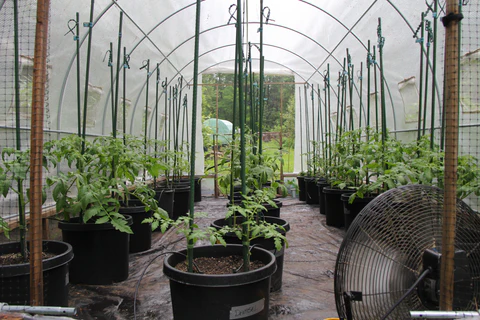
While traditional skills are important, modern homesteaders often use technology to make life easier and more efficient. Solar panels, rainwater harvesting systems, and energy-efficient appliances can reduce your environmental impact and utility bills. There are also countless online resources, apps, and forums dedicated to sharing knowledge and troubleshooting challenges.
For a deeper dive into how technology and tradition blend in this lifestyle, the introduction to contemporary homesteading podcast offers expert perspectives and practical tips.
Planning for the Long Term
Sustainable living is a journey, not a destination. As you gain confidence, you may want to expand your efforts—perhaps by increasing your garden’s size, adding livestock, or exploring alternative energy sources. Planning ahead and setting achievable milestones will help you stay motivated and avoid burnout.
If you’re interested in a more structured approach, consider reading a complete guide to off-grid homesteading for step-by-step advice on building a resilient homestead from scratch.
Common Challenges and How to Overcome Them
Every new homesteader faces obstacles, from unpredictable weather to learning new skills. Here are some tips for overcoming common challenges:
- Time Management: Start with small, manageable projects to avoid feeling overwhelmed.
- Budget Constraints: Repurpose materials, buy used tools, and trade skills with neighbors to save money.
- Knowledge Gaps: Take advantage of free online resources, workshops, and community classes.
- Setbacks: Expect mistakes and learn from them. Every challenge is an opportunity to grow.
For those considering a more independent lifestyle, the how to live off-grid full time resource provides practical advice on making the transition smoothly.
Frequently Asked Questions
What is the first step for someone new to homesteading?
Begin by assessing your available space, resources, and interests. Start small—try growing a few herbs or vegetables, or learn a basic skill like bread making. Gradually expand as you gain confidence and experience.
Can I practice homesteading in an urban environment?
Absolutely. Many urban dwellers grow food in containers, compost kitchen scraps, and make homemade products. The principles of self-reliance and sustainability can be adapted to any setting, regardless of space.
How much time does it take to maintain a homestead?
The time commitment depends on your goals and scale. Small projects like container gardening or composting require minimal daily effort, while larger endeavors such as raising animals or managing a large garden will need more attention. Start with what fits your schedule and expand as you’re able.
What are some common mistakes to avoid?
Taking on too much at once, underestimating costs, and neglecting to learn from others are frequent pitfalls. Focus on gradual progress, seek advice, and remember that setbacks are part of the learning process.
Modern homesteading is an ongoing process of learning, adapting, and growing. With patience and persistence, anyone can take meaningful steps toward a more sustainable and rewarding lifestyle.