Living independently from public utilities brings great rewards, but it also comes with unique responsibilities. Keeping your homestead running smoothly means staying proactive about regular upkeep. A well-organized off-grid maintenance checklist helps prevent costly breakdowns, extends the life of your systems and tools, and ensures your property remains safe and efficient year-round.
Whether you’re new to self-reliant living or looking to refine your routines, this guide covers essential inspection and care routines for power, water, waste, structures, and equipment. For those interested in expanding their setup, exploring DIY off-grid projects can further boost your self-reliance and resilience.
Why a Preventive Approach Matters for Off-Grid Living
When you’re off the grid, there’s no quick fix from a utility company. A small issue left unchecked can quickly escalate into a major problem. By following a consistent off-grid maintenance checklist, you’ll catch minor wear and tear before it leads to system failures. This approach saves time, money, and stress, especially during harsh weather or peak usage seasons.
For a deeper dive into the essential gear that supports this lifestyle, check out our guide on essential tools for off-grid living.
Power Systems: Solar, Wind, and Generators
Your energy setup is the backbone of your homestead. Regular checks ensure reliable power and prevent unexpected outages.
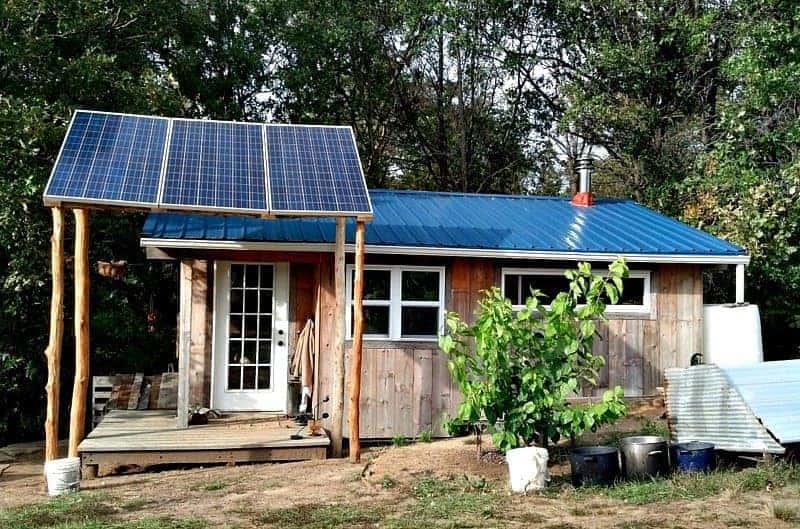
- Solar Panels: Inspect for dirt, debris, and shading. Clean panels seasonally and check for cracks or loose connections.
- Batteries: Monitor voltage and electrolyte levels (for lead-acid types). Look for corrosion on terminals and ensure proper ventilation.
- Inverters & Charge Controllers: Test output, check indicator lights, and verify cooling fans are operational.
- Wind Turbines: Examine blades for damage, lubricate moving parts, and confirm anchors are secure.
- Generators: Change oil, replace filters, and run monthly to keep components lubricated.
Water Collection, Storage, and Filtration
Clean, reliable water is non-negotiable. Maintenance here is about both safety and supply.
- Rainwater Harvesting: Clear gutters and downspouts, inspect screens, and flush tanks to remove sediment.
- Wells: Test water quality annually, check pump operation, and inspect pressure tanks for leaks.
- Filtration Systems: Replace filters as recommended, sanitize tanks, and check for leaks or clogs.
- Pipes and Hoses: Insulate exposed lines before winter and check for cracks or leaks after freezing weather.
Waste Management and Sanitation
Proper waste handling is vital for health and environmental safety. Routine checks keep everything running smoothly.
- Compost Toilets: Empty solids and liquids as needed, clean bins, and inspect ventilation for blockages.
- Greywater Systems: Check filters, clear out debris, and monitor for odors or pooling water.
- Septic Tanks: Schedule professional inspections and pumping as recommended for your tank size and usage.
Structures and Insulation: Protecting Your Investment
Buildings and shelters require seasonal attention to stay weatherproof and energy-efficient. For more on keeping your space comfortable, see our tips on insulation for off-grid living.
- Roofing: Inspect for missing shingles, leaks, or moss buildup. Clean gutters and repair flashing as needed.
- Walls and Foundations: Look for cracks, water damage, or pest entry points. Seal gaps and repaint or stain wood surfaces.
- Windows and Doors: Check seals, lubricate hinges, and replace weatherstripping to prevent drafts.
- Insulation: Assess attic and wall insulation for settling or moisture issues, and upgrade if necessary.
Gardens, Animal Areas, and Outdoor Tools
Productive land and healthy livestock depend on regular care of both natural and built environments.
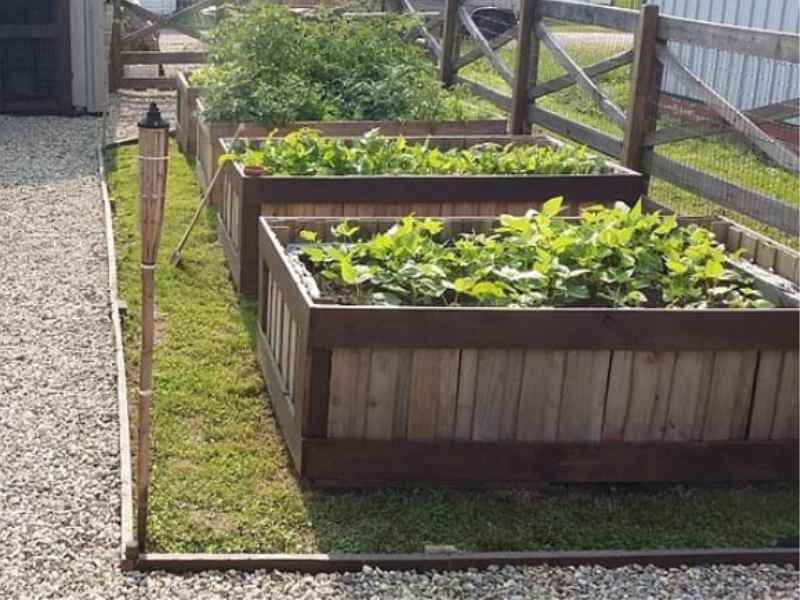
- Raised Beds and Fencing: Inspect for rot, loose boards, or broken wire. Repair and treat wood as needed.
- Animal Shelters: Clean bedding, check for leaks, and ensure doors and latches work smoothly.
- Hand Tools and Machinery: Sharpen blades, oil moving parts, and store equipment in dry, protected spaces.
- Watering Systems: Flush lines, clean filters, and adjust timers or drip emitters for seasonal needs.
Seasonal and Annual Tasks for Off-Grid Systems
Some tasks only need attention a few times a year, but they’re critical for long-term reliability. As you plan your maintenance calendar, consider the cycles of your local climate and usage patterns.
- Spring: Deep clean solar panels, flush water tanks, inspect roofs and foundations after winter, and prep gardens.
- Summer: Monitor battery temperatures, check for overgrowth around panels and structures, and repair fencing.
- Fall: Clean gutters, insulate pipes, stockpile firewood, and winterize water systems.
- Winter: Test backup generators, monitor for ice dams, and keep pathways clear for emergency access.
For more inspiration on adapting your property to the seasons, explore our collection of off-grid climate control ideas.
Record-Keeping and Scheduling: Staying Organized
Consistency is key to effective homestead upkeep. Use a calendar or digital reminder system to track inspections, filter changes, and seasonal chores. Keep a logbook for repairs and upgrades—this helps spot patterns and plan future improvements.
If you’re just starting out, learning from established homesteaders can be invaluable. This homesteading overview offers practical advice for building routines and troubleshooting common issues.
FAQ: Off-Grid Maintenance and Upkeep
How often should I perform routine checks on my power and water systems?
Most experts recommend monthly inspections for solar panels, batteries, and water filters, with deeper cleaning or servicing every season. Adjust frequency based on your system’s age, usage, and local climate.
What are the most common issues found during off-grid maintenance?
The most frequent problems include dirty solar panels, corroded battery terminals, clogged water filters, leaks in plumbing, and minor roof damage. Early detection through regular checks prevents these from becoming major repairs.
Do I need professional help for any tasks on my checklist?
While many tasks can be handled by the homesteader, jobs like septic tank pumping, well water testing, and major electrical repairs are best left to licensed professionals for safety and compliance.
Where can I learn more about maintaining specific tools and systems?
Manufacturer manuals are a great starting point. For homestead-specific advice, our article on the wood stove off-grid homestead covers heating and cooking equipment, while the essential tools for off-grid living guide details care for common implements.