
Managing temperature and comfort in an off-grid home requires a thoughtful mix of traditional wisdom and modern ingenuity. Whether you’re homesteading, living in a remote cabin, or preparing for energy independence, finding effective off-grid climate control ideas is essential for year-round comfort and sustainability. This article explores practical solutions for heating, cooling, and maintaining a stable indoor environment without relying on conventional utilities.
From passive solar design to natural ventilation and renewable energy systems, there are many ways to keep your living space comfortable in every season. If you’re interested in integrating food storage with your climate strategies, consider exploring root cellar ideas off-grid for natural food preservation alongside temperature management.
Passive Strategies for Year-Round Comfort
One of the most reliable ways to regulate temperature off the grid is to harness passive design principles. These approaches use the natural movement of heat, air, and sunlight to maintain a comfortable indoor climate with minimal energy input.
Solar Orientation and Thermal Mass
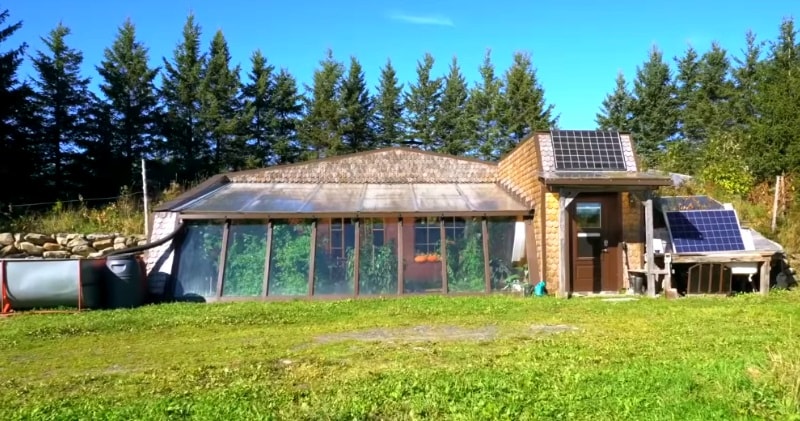
Orienting your home to maximize winter sun exposure and minimize summer heat gain can make a significant difference. South-facing windows (in the Northern Hemisphere) capture low-angle winter sunlight, while roof overhangs or shade trees block high summer sun. Incorporating materials like stone, brick, or concrete inside your home adds thermal mass, which absorbs heat during the day and releases it at night, smoothing out temperature swings.
Natural Ventilation Techniques
Cross-ventilation is essential for cooling in warmer months. Strategically placed windows, vents, and even earth tubes can encourage fresh air flow and help expel hot air. Stack ventilation—using high and low openings to promote air movement by convection—can further enhance cooling without electricity.
Heating Solutions for Off-Grid Living
Staying warm in winter is a top priority. There are several proven off-grid climate control ideas for heating that don’t depend on grid electricity.
Wood Stoves and Rocket Mass Heaters
Wood-burning stoves remain a staple for off-grid heat. They’re reliable, efficient, and can double as a cooking appliance. For even greater fuel efficiency, consider a rocket mass heater, which uses a small amount of wood to produce long-lasting warmth by channeling heat through a thermal mass bench or wall. For more on this approach, see our guide to the wood stove off-grid homestead lifestyle.
Solar Air and Water Heaters
Solar air heaters use the sun’s energy to warm air, which is then circulated into living spaces. These can be homemade or purchased as panels. Solar water heaters, meanwhile, provide hot water for bathing and radiant floor heating. Both systems reduce reliance on wood or propane and work especially well in sunny climates.
Insulation and Air Sealing
Good insulation is the foundation of any effective heating plan. Use natural materials like wool, straw bales, or cellulose to insulate walls, roofs, and floors. Air sealing—closing gaps around doors, windows, and utility penetrations—prevents drafts and heat loss, making every other heating method more effective.
Cooling and Ventilation Without the Grid
Keeping cool off-grid is just as important as staying warm. Here are some practical methods for summer comfort:
- Earth Berming and Underground Homes: Building into the earth takes advantage of stable underground temperatures, keeping interiors cooler in summer and warmer in winter.
- Shade Structures: Pergolas, shade sails, and deciduous trees can block direct sunlight, reducing indoor heat gain.
- Evaporative Cooling: Swamp coolers or simple wet cloths hung in windows can lower air temperature through evaporation, especially in dry climates.
- Night Flushing: Open windows at night to let in cool air, then close them during the day to trap the lower temperature inside.
Renewable Energy and Smart Controls
Supplementing passive and manual methods with renewable energy can further enhance comfort. Solar panels, wind turbines, and micro-hydro systems can power fans, pumps, or even small air conditioning units if your system is robust enough.
Smart thermostats and temperature sensors, powered by off-grid electricity, can automate ventilation or heating systems to optimize efficiency. Even simple timers or mechanical thermostats can help regulate temperature with minimal intervention.
Integrating Food Storage and Livestock Needs
Climate control isn’t just for people—your food stores and animals benefit from stable temperatures too. Root cellars, for example, use the earth’s natural insulation to keep produce cool and fresh. For more tips, see our article on storing food long term off-grid without freezers.
Small livestock also need protection from temperature extremes. Insulated coops, barns with good ventilation, and shaded outdoor runs help keep animals healthy. For those with limited space, our guide to small livestock for homesteaders offers practical advice.
Budget-Friendly and DIY Approaches
Many off-grid climate control ideas can be implemented on a tight budget. Repurposing materials for insulation, building your own solar air heaters, or using salvaged windows for passive solar gain are all cost-effective strategies. For a comprehensive overview of starting a homestead with limited resources, check out this ultimate guide to starting a frugal off-grid homestead.
Don’t overlook the value of community knowledge—neighbors and local groups often have region-specific tips for managing climate challenges.
Frequently Asked Questions
What is the most efficient off-grid heating method?
The most efficient heating method depends on your resources and climate. Wood stoves and rocket mass heaters are highly effective, especially when combined with good insulation and thermal mass. Solar air or water heaters can also provide significant warmth in sunny regions.
How can I cool my off-grid home in summer?
Passive cooling strategies like cross-ventilation, shading, earth sheltering, and evaporative cooling are practical and energy-efficient. Night flushing—ventilating at night and sealing up during the day—can help maintain cooler indoor temperatures.
Can I use modern technology for off-grid climate control?
Yes, renewable energy systems such as solar panels or wind turbines can power fans, pumps, or even small AC units if your setup allows. Smart thermostats and sensors can automate climate control, but always ensure your energy system can support these devices.
How do I keep food cool off-grid?
Root cellars and earth-cooled pantries are traditional solutions that use the stable temperature of the ground to keep food fresh. Insulated coolers and evaporative cooling chambers can also help in warmer climates.
Conclusion
Creating a comfortable, resilient home off the grid is achievable with the right mix of passive design, renewable energy, and practical know-how. By combining insulation, smart ventilation, and resourceful heating and cooling methods, you can thrive in any season. For more inspiration on food preservation and sustainable living, see our guide to fermenting food off-grid for nutrition and storage.