Living away from the grid brings both freedom and challenge. For many, a wood stove off-grid homestead is the heart of daily life, providing reliable heat and a way to prepare meals no matter the weather or season. Choosing and maintaining the right stove, sourcing fuel, and adapting your routines can make all the difference in comfort and efficiency.
This guide explores how to integrate a wood stove into your remote lifestyle, covering practical heating, cooking, and safety tips. If you’re interested in other aspects of self-sufficient living, such as fermenting food off-grid for nutrition and storage, you’ll find plenty of interconnected skills to enhance your homestead.
Why Choose a Wood Stove for Remote Living?
For those living off the grid, a wood stove is more than just a heat source. It’s a dependable, low-tech solution that doesn’t rely on electricity or fossil fuels. With the right setup, you can heat your home, cook meals, and even warm water for bathing or cleaning—all from one appliance.
- Reliability: Wood stoves work during power outages and in all weather conditions.
- Fuel Independence: Wood is often locally available and renewable, reducing reliance on outside resources.
- Multi-Functionality: Many models allow for both heating and cooking, maximizing efficiency in small spaces.
Key Considerations When Installing a Wood Stove Off the Grid
Selecting the right wood stove for your homestead involves more than just picking a model. Consider the size of your space, insulation, and how you plan to use the stove. For smaller cabins or tiny homes, compact models with cooktop surfaces are ideal. Larger homes may need a stove with greater output or even multiple units.
Safety is paramount. Install your stove on a non-combustible surface, maintain proper clearance from walls and furniture, and use a certified chimney or flue system. Regular cleaning of the flue helps prevent dangerous creosote buildup.
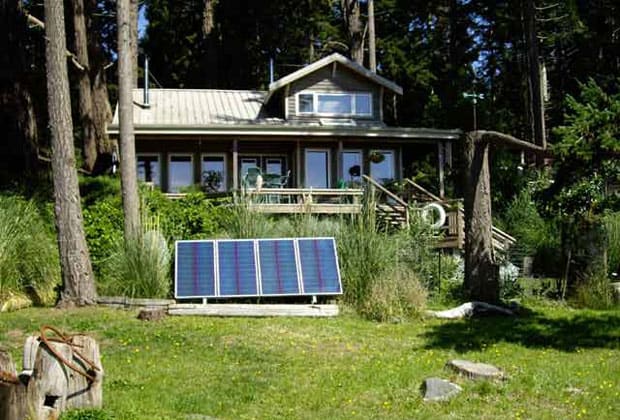
Heating Your Homestead with Wood
A well-chosen stove can heat your entire off-grid home, but efficiency depends on several factors. Good insulation, strategic stove placement, and regular maintenance are all essential. Use a fan or heat-powered stove top fan to help circulate warm air throughout your living space.
For those storing food and supplies, maintaining a stable indoor temperature can also help protect your pantry. Consider pairing your heating strategy with root cellar ideas off-grid to keep perishables safe year-round.
Choosing and Storing Firewood
The type and quality of wood you burn directly affect stove performance. Hardwoods like oak, maple, and hickory burn hotter and longer, making them ideal for cold climates. Softwoods ignite quickly but burn faster, which can be useful for kindling.
- Always use seasoned wood—split and dried for at least 6-12 months—to minimize smoke and maximize heat.
- Store firewood off the ground and covered, but with good airflow to prevent mold.
- Keep a week’s worth of wood indoors during winter for convenience.
Cooking on a Wood Stove: Practical Tips
Many homesteaders use their wood stove as a primary cooking surface. Flat-topped models allow you to simmer soups, boil water, or even bake with the right accessories. Cast iron cookware is especially well-suited for this style of cooking.
For baking, some stoves include an oven compartment, or you can use a Dutch oven placed directly on the stove or inside the firebox (with care). Adjusting heat can be tricky—move pots to cooler or hotter spots on the stove top as needed.
- Start with simple dishes like stews, beans, or skillet breads.
- Use trivets or bricks to create different heat zones.
- Practice makes perfect—keep notes on cooking times and temperatures for your favorite recipes.
Water Heating and Additional Uses
Beyond heating and cooking, a wood stove can also help with other homestead needs. Many models support water jackets or coils that heat water for bathing, washing, or even radiant floor systems. This can be a game-changer in areas where electric or gas water heaters aren’t practical.
If you rely on well water, integrating your water system with your stove can provide hot water without extra energy costs. For more on water systems, see resources like off-grid homesteading essentials that cover drilling, maintenance, and filtration.
Homestead Efficiency: Integrating Your Wood Stove with Other Off-Grid Systems
To get the most from your wood stove, consider how it fits into the broader systems of your homestead. For example, you might use waste heat to dry clothes, start seedlings, or warm a greenhouse. Pairing your stove with off-grid gardening tips can help you extend your growing season and make the most of every BTU.
Food preservation is another area where heat from your stove can be useful. Dehydrating, canning, or storing food long term off-grid all benefit from a warm, dry environment. With careful planning, your stove can support a wide range of homestead activities beyond just heating and cooking.
Safety and Maintenance for Wood Stoves in Remote Settings
Regular maintenance ensures your stove operates safely and efficiently. Clean the firebox and flue regularly to prevent creosote buildup, which can cause chimney fires. Inspect gaskets, doors, and seals for wear, and replace as needed to maintain airtight operation.
- Install smoke and carbon monoxide detectors in your home.
- Keep a fire extinguisher nearby and know how to use it.
- Teach all household members safe stove operation and emergency procedures.
If you raise animals or grow your own food, integrating your heating and cooking routines with small livestock for homesteaders can help streamline chores and maximize efficiency.
FAQ
What type of wood stove is best for a small off-grid cabin?
Compact, high-efficiency stoves with cooktop surfaces are ideal for small spaces. Look for models that are EPA-certified and designed for the square footage you need to heat. Some even include built-in ovens or water heating options.
How do I safely cook on a wood stove?
Use heavy-duty cookware like cast iron, and start with simple recipes. Always monitor food closely, as temperatures can fluctuate. Use trivets or bricks to adjust heat zones, and never leave the stove unattended while cooking.
How much firewood should I store for winter?
The amount depends on your climate and stove efficiency, but a typical homestead may use 3-6 cords of seasoned wood per winter. Store wood in a dry, ventilated area, and keep some indoors for convenience during storms.
Can a wood stove heat water for showers and washing?
Yes, many stoves can be fitted with water jackets or coils to heat water for household use. This setup is especially useful for off-grid homes without electric or gas water heaters.