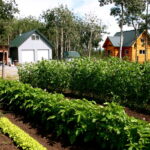
Adopting raised bed gardening off-grid is a practical solution for those seeking greater self-sufficiency and food security. Whether you’re homesteading in a remote area or simply aiming to reduce reliance on external resources, this approach offers a manageable, productive way to grow food with limited infrastructure. Raised beds are especially valuable in locations with poor soil, unpredictable weather, or minimal access to utilities.
This article explores the unique advantages of using raised beds in remote settings, the essential steps for building and maintaining them, and how to maximize yields with minimal inputs. For anyone interested in sustainable living, understanding how to set up and manage these gardens can be a cornerstone of a resilient lifestyle. If you’re new to living independently, you might also find our off-grid homesteading for beginners guide helpful as you get started.
Why Choose Raised Beds for Remote or Off-Grid Locations?
Raised beds offer several advantages for those cultivating food away from conventional resources. Here are some of the most significant benefits:
- Improved Soil Quality: In many off-grid locations, native soil may be rocky, sandy, or depleted. Raised beds allow you to control the growing medium, ensuring optimal conditions for vegetables, herbs, and flowers.
- Water Efficiency: With limited access to municipal water, conserving moisture is critical. Raised beds can be designed to retain water better and direct it where plants need it most.
- Pest and Weed Control: Elevating your garden helps reduce weed pressure and makes it harder for burrowing pests to reach your crops.
- Extended Growing Season: The soil in raised beds warms up faster in spring and drains better after heavy rain, allowing for earlier planting and fewer delays due to wet conditions.
- Accessibility: Raised beds are easier to tend, especially for those with mobility challenges, making them ideal for long-term, sustainable gardening.
For more on growing your own food with limited resources, see our comprehensive growing food off-grid guide.
Planning Your Off-Grid Raised Bed Garden
Before building, take time to assess your site and resources. Consider the following factors to ensure your garden thrives:
- Sunlight: Most vegetables require at least 6–8 hours of direct sunlight. Choose a location that’s not shaded by trees or buildings.
- Water Access: Even with water-saving techniques, you’ll need a reliable source. Rainwater catchment systems, hand pumps, or nearby streams can supplement your needs.
- Materials: Use what’s available—reclaimed lumber, logs, stones, or metal panels. Avoid treated wood that may leach chemicals into the soil.
- Protection: Consider fencing or netting to keep out wildlife, especially in rural or forested areas.
Building Raised Beds for Off-Grid Success
Constructing beds in a remote setting doesn’t require expensive materials or advanced carpentry skills. Here’s a straightforward process:
- Mark Out the Area: Standard beds are 3–4 feet wide (for easy access from both sides) and 6–8 feet long. Use stakes and string to outline your beds.
- Prepare the Ground: Remove grass and weeds. For extra weed prevention, lay down cardboard or several layers of newspaper.
- Build the Frame: Assemble your chosen materials into a rectangle. Secure corners with screws, nails, or natural joinery if using logs or stone.
- Fill with Soil: Layer organic matter (compost, leaves, manure) at the bottom, then top with a mix of quality soil and compost. If resources are scarce, consider lasagna gardening (layering organic materials that break down over time).
- Water and Plant: Moisten the soil thoroughly before planting. Start with crops suited to your climate and available water.
Soil and Water Management in Remote Raised Beds
Managing soil fertility and moisture is crucial for off-grid gardens. Here are some strategies to help your crops thrive:
- Composting: Create a compost pile using kitchen scraps, garden waste, and manure. This provides a steady supply of organic matter to enrich your beds.
- Mulching: Apply straw, leaves, or grass clippings to retain moisture, suppress weeds, and moderate soil temperature.
- Rainwater Harvesting: Set up barrels or cisterns to collect rainwater from roofs or tarps. Use drip irrigation or watering cans to minimize waste.
- Crop Rotation and Companion Planting: Rotate crops each season and use companion planting off-grid techniques to maintain soil health and reduce pest problems.
Maximizing Yields with Minimal Inputs
With careful planning, you can achieve impressive harvests even with limited resources. Consider these tips:
- Choose High-Value Crops: Focus on vegetables and herbs that provide the most nutrition and store well, such as potatoes, carrots, beans, and leafy greens.
- Succession Planting: Stagger plantings for continuous harvests throughout the growing season.
- Vertical Gardening: Use trellises or cages for climbing plants like peas, beans, and cucumbers to save space and increase production.
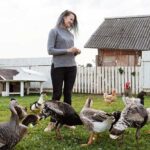
- Integrated Livestock: Chickens and rabbits can provide manure for compost and help control pests. For more on animal care in remote settings, see our off-grid livestock care resource.
Common Challenges and Solutions for Off-Grid Gardeners
While the benefits are clear, gardening in remote or resource-limited settings comes with unique challenges. Here’s how to address some of the most common issues:
- Limited Water: Use mulch, shade cloth, and drought-tolerant crops to reduce water needs. Collect rainwater and reuse greywater where safe.
- Poor Soil: Build up fertility gradually with compost, manure, and green manures. Raised beds let you bypass poor native soil entirely.
- Wildlife Pressure: Install sturdy fencing or netting. Consider motion-activated lights or natural deterrents for persistent animals.
- Short Growing Season: Use row covers, cold frames, or low tunnels to extend your harvest window.
For a broader perspective on living independently, check out our article on what is off-grid homesteading.
Resources for Further Learning
If you’re looking for a step-by-step approach to building a sustainable lifestyle, the ultimate guide to starting a frugal off-grid homestead offers practical tips for beginners. Combining these resources with the strategies above will help you create a productive, resilient garden wherever you live.
Frequently Asked Questions
What materials are best for building raised beds in remote areas?
The best materials are those you can source locally and sustainably. Untreated lumber, logs, stones, or even metal panels work well. Avoid pressure-treated wood or anything that could leach harmful chemicals into your soil.
How can I maintain soil fertility without store-bought fertilizers?
Composting is key. Use kitchen scraps, garden waste, and animal manure to create rich organic matter. Rotate crops and incorporate green manures or cover crops to replenish nutrients naturally.
Is it possible to garden off-grid in harsh climates?
Yes, but it requires careful planning. Choose crops suited to your climate, use season extenders like row covers, and focus on water conservation. Raised beds help by improving drainage and warming soil faster in cool regions.