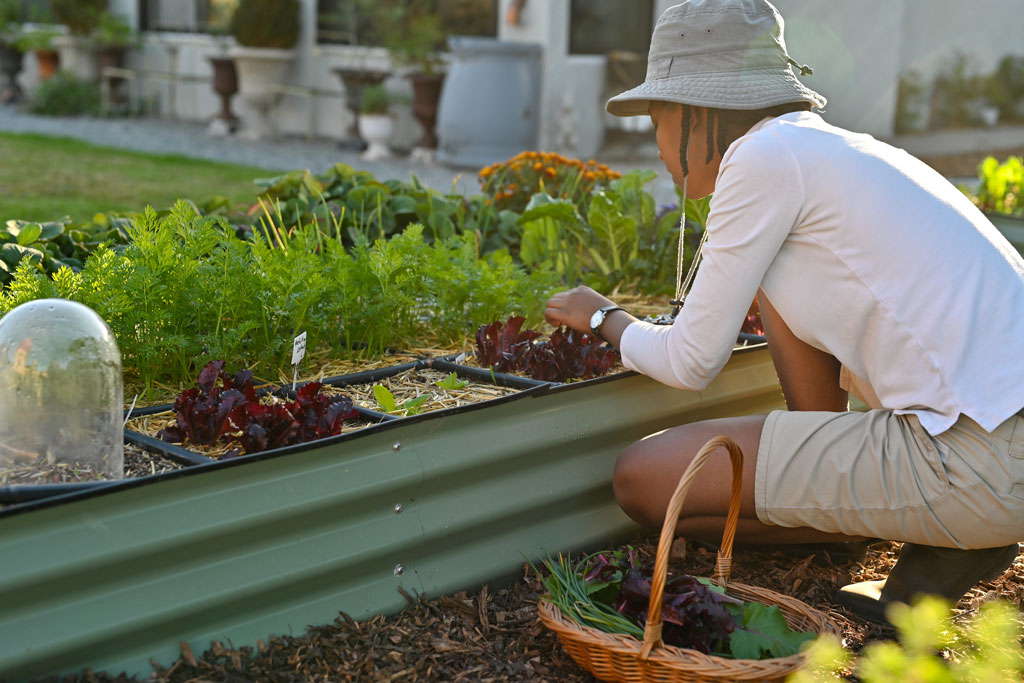
Embracing seed saving for homesteaders is a practical step toward greater self-reliance and sustainability. By learning to collect, store, and replant seeds from your own crops, you can reduce dependence on commercial seed suppliers, adapt your garden to local conditions, and preserve valuable plant varieties. This approach not only saves money but also strengthens your connection to the land and supports a resilient food system.
For those starting out or looking to deepen their skills, understanding the basics of seed selection, harvesting, and storage is essential. If you’re interested in a broader overview of sustainable living, you may also find value in this guide to off-grid homesteading for beginners, which covers foundational aspects of self-sufficient living.
Why Seed Saving Matters for Self-Sufficient Living
Practicing seed saving for homesteaders is about more than just gardening—it’s a core part of building a sustainable lifestyle. By saving seeds, you can:
- Reduce costs by eliminating the need to buy new seeds every season.
- Preserve heirloom and open-pollinated varieties that may not be available commercially.
- Adapt crops to your unique microclimate and soil conditions, leading to stronger, more resilient plants.
- Increase food security by maintaining control over your food sources.
- Promote biodiversity and protect genetic diversity in your garden.
Many homesteaders find that seed saving deepens their understanding of plant life cycles and fosters a sense of stewardship over their land. If you’re interested in expanding your food production, the self-sufficient gardening guide offers practical tips for off-grid food cultivation.
Choosing the Right Seeds for Saving
Not all seeds are equally suited for home saving. For best results, focus on:
- Open-pollinated varieties: These plants produce offspring true to type, meaning their seeds will reliably yield similar plants each season.
- Heirloom seeds: Often passed down through generations, these varieties are valued for their flavor, resilience, and adaptability.
- Avoid hybrids: Hybrid seeds (often labeled F1) may not produce consistent or desirable results in the next generation.
When selecting plants for seed saving, choose the healthiest, most vigorous specimens. This ensures that desirable traits—such as disease resistance, productivity, and flavor—are passed on.
Essential Steps in Seed Saving for Homesteaders
The process of collecting and preserving seeds involves several key steps. Here’s a practical overview for those looking to integrate this practice into their homestead routine:
1. Allow Seeds to Mature Fully
For most vegetables and herbs, seeds must reach full maturity on the plant before harvesting. This often means letting fruits or pods dry out or overripen. For example, beans and peas should be left until pods are brown and brittle, while tomatoes and peppers should be fully ripe.
2. Harvest and Clean Seeds
Once mature, carefully collect seeds. For dry-seeded crops (like beans, lettuce, or peas), simply remove seeds from pods or heads. For wet-seeded crops (such as tomatoes or cucumbers), scoop out the seeds and rinse them to remove pulp and gel. Some seeds, like tomatoes, benefit from a brief fermentation to eliminate disease-causing agents.
3. Dry Seeds Thoroughly
Spread cleaned seeds on a paper towel, screen, or plate in a well-ventilated area out of direct sunlight. Allow them to dry completely—this can take several days to a week, depending on the seed type and humidity.
4. Store Seeds Properly
Once dry, place seeds in labeled envelopes, glass jars, or airtight containers. Store them in a cool, dry, and dark location. Proper storage helps maintain viability and prevents mold or pest damage. Many homesteaders keep seeds in a refrigerator or a dedicated seed box.
Common Crops for Seed Saving on the Homestead
Some plants are particularly beginner-friendly when it comes to seed saving. Consider starting with these:
- Beans and peas: Simple to harvest and clean.
- Lettuce: Produces abundant seeds that are easy to collect.
- Tomatoes: Require fermentation but are highly rewarding.
- Peppers: Seeds are easy to extract and dry.
- Squash and pumpkins: Large seeds are straightforward to handle, but be aware of cross-pollination.
As you gain confidence, you can expand to more challenging crops, such as carrots, onions, or brassicas, which may require isolation or biennial growing cycles.
Overcoming Challenges in Seed Saving
While the benefits are clear, there are some challenges to consider:
- Cross-pollination: Some crops, especially those in the squash and brassica families, can cross with nearby varieties, resulting in unpredictable offspring. Use isolation techniques or grow only one variety at a time to maintain purity.
- Biennial crops: Plants like carrots and onions require two growing seasons to produce seeds, which can be more demanding for beginners.
- Seed viability: Over time, seeds lose their ability to germinate. Label your seeds with the collection date and aim to use them within a few years for best results.
For those interested in a broader approach to off-grid living, including animal husbandry, check out these essential practices for off-grid livestock care.
Integrating Seed Saving into Your Homestead Routine
Making seed saving a regular part of your gardening cycle doesn’t have to be complicated. Start small, perhaps with one or two crops, and build your skills over time. Keep records of your varieties, harvest dates, and observations. This information will help you refine your process and ensure ongoing success.
Many homesteaders find that seed saving complements other sustainable practices, such as composting, water conservation, and rotational planting. For those looking to take their self-sufficiency further, learning how to live off the grid with minimal resources can provide additional inspiration and practical strategies.
Frequently Asked Questions
What is the difference between open-pollinated and hybrid seeds?
Open-pollinated seeds produce plants that are genetically similar to the parent, allowing you to save seeds that will grow true to type. Hybrid seeds are created by crossing two different parent plants and may not yield consistent results in the next generation, making them less suitable for seed saving.
How long can saved seeds remain viable?
Seed viability varies by crop and storage conditions. Most vegetable seeds remain viable for 2–5 years if kept cool, dry, and dark. Some, like onions and parsnips, lose viability faster, while others, such as beans and tomatoes, can last longer.
Can I save seeds from store-bought produce?
It’s possible, but not always recommended. Many store-bought fruits and vegetables are hybrids or may have been treated to prevent sprouting. For best results, use seeds from open-pollinated or heirloom varieties grown in your own garden.
How do I prevent cross-pollination in my garden?
To maintain seed purity, separate varieties by distance, use physical barriers, or stagger planting times. Some crops, like beans, are less prone to cross-pollination, while others, such as squash, require more careful management.
Conclusion
Adopting seed saving for homesteaders is a rewarding way to enhance your self-sufficiency, preserve valuable plant genetics, and reduce reliance on external inputs. By starting with easy crops, following proper harvesting and storage techniques, and gradually expanding your skills, you can create a resilient, productive homestead that thrives year after year.
For more tips on starting your journey, explore this step-by-step guide to launching an off-grid homestead. Each season brings new opportunities to learn, adapt, and grow—both in your garden and your self-sufficient lifestyle.