
Effective waste management on homestead properties is essential for sustainability, self-sufficiency, and environmental stewardship. Homesteaders face unique challenges and opportunities when handling household, garden, and animal byproducts. By focusing on reducing waste, reusing materials, and recycling wherever possible, you can minimize your ecological footprint and create a healthier, more efficient living environment.
Whether you’re just starting out or refining your existing systems, understanding the principles of sustainable waste handling can make a significant difference. This article provides practical strategies for managing waste streams, integrating eco-friendly habits, and making the most of resources already available on your land. For those new to off-grid living, you might also find value in exploring off-grid homesteading for beginners to build a strong foundation.
Principles of Sustainable Waste Handling
At the heart of responsible waste management on homestead properties are three core principles: reduce, reuse, and recycle. These concepts guide daily decisions and long-term planning, helping to keep your land clean and productive.
- Reduce: Minimize the amount of waste generated by making conscious purchasing decisions, avoiding excess packaging, and choosing durable goods.
- Reuse: Find new purposes for items before discarding them. Repurpose containers, repair tools, and upcycle materials for other homestead projects.
- Recycle: Sort and process materials like glass, metal, and certain plastics so they can be reintroduced into the manufacturing cycle, either on-site or through local facilities.
Implementing these principles not only conserves resources but also reduces the time and effort required to dispose of unwanted materials. For those interested in expanding their self-sufficiency, learning about growing food off-grid can complement your waste reduction efforts.
Managing Organic Waste: Composting and Beyond
Organic matter, such as kitchen scraps, garden trimmings, and animal manure, makes up a significant portion of homestead waste. Composting is one of the most effective ways to transform these materials into valuable soil amendments.
- Composting: Set up a compost bin or pile in a convenient location. Alternate layers of green material (vegetable peels, grass clippings) with brown material (leaves, straw, cardboard). Turn the pile regularly to aerate and speed up decomposition.
- Vermicomposting: Use worms to break down food scraps quickly. This method is ideal for smaller spaces or indoor setups and produces nutrient-rich worm castings for gardens.
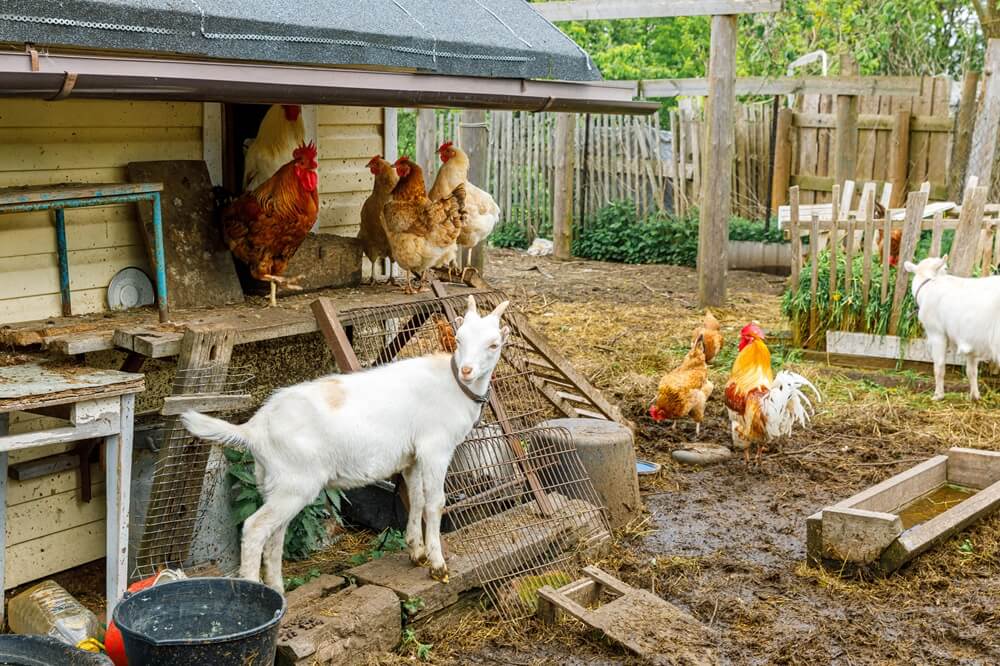
- Animal Integration: Chickens, goats, and pigs can consume many food scraps and garden leftovers, reducing waste and providing natural fertilizer through their manure. For more on this, see our guide to off-grid livestock care.

Reducing and Reusing Materials on the Homestead
Limiting the amount of waste generated starts with mindful consumption. Choose products with minimal or recyclable packaging, and prioritize items that serve multiple purposes. When something reaches the end of its intended use, look for creative ways to give it new life.
- Glass jars and containers: Clean and reuse for food storage, seed saving, or organizing small hardware.
- Old lumber and pallets: Repurpose for building raised beds, compost bins, or animal shelters.
- Textiles: Turn worn-out clothing or linens into cleaning rags, garden ties, or patchwork projects.
- Plastic buckets: Use for hauling water, mixing soil, or as planters.
By reusing materials, you can save money and reduce trips to the landfill. This approach also encourages resourcefulness and problem-solving, key skills for any homesteader.
Recycling and Safe Disposal of Non-Organic Waste
Not all waste can be composted or reused. Proper sorting and recycling of glass, metal, and certain plastics help keep your property tidy and prevent environmental contamination. Research local recycling programs or collection points, as rural areas may have limited services.
- Metals: Collect scrap metal for recycling or repurpose for farm repairs.
- Glass: Reuse where possible or take to a recycling facility.
- Plastics: Sort by type and recycle according to local guidelines.
- Batteries and hazardous waste: Store safely until you can deliver to a designated disposal site.
For a comprehensive overview of what’s needed to live sustainably off the grid, including waste handling, check out this off-grid living essentials guide.
Animal Waste: Turning Byproducts into Resources
Livestock and poultry generate manure that, if managed properly, becomes a valuable asset for soil fertility. Composting animal waste reduces pathogens and odors, making it safe for use in gardens and fields.
- Manure management: Collect bedding and manure from stalls or coops and add to your compost system. Allow it to age before applying to crops.
- Mulching: Use straw or wood shavings from animal enclosures as mulch around trees and shrubs.
- Biogas: Advanced homesteads may consider small-scale biogas digesters to convert manure into renewable energy for cooking or heating.
Integrating Waste Management into Homestead Design
Planning your property layout with waste handling in mind can streamline daily chores and prevent problems down the line. Place compost bins, recycling stations, and animal enclosures in accessible locations that minimize hauling distance and potential runoff.
- Compost near gardens: Makes it easy to add organic matter to beds and reduces transportation effort.
- Animal shelters downhill from water sources: Prevents contamination of drinking water.
- Recycling and trash storage: Keep covered and away from food production areas to deter pests.
As your homestead evolves, revisit your systems periodically to identify new opportunities for efficiency and sustainability. For those considering a new property or major redesign, see our advice on how to start an off-grid homestead for step-by-step guidance.
Common Challenges and Practical Solutions
Even with the best intentions, homesteaders may encounter obstacles in managing waste. Limited access to recycling services, weather-related delays in composting, or sudden surpluses of organic material can all pose difficulties. Here are some practical solutions:
- Batch composting: If you generate large amounts of organic waste at once (e.g., after harvest), set up multiple bins to handle the volume.
- Community collaboration: Partner with neighbors to share recycling pickups or bulk disposal services.
- Seasonal adjustments: In winter, insulate compost piles or use indoor worm bins to keep decomposition active.
- Education and signage: Label bins clearly and educate family members or visitors about your systems to prevent contamination.
Frequently Asked Questions
What materials should never be composted on a homestead?
Avoid composting meat, dairy, oils, and pet waste, as these can attract pests and introduce pathogens. Also, refrain from adding diseased plants or invasive weeds to your compost pile.
How can I reduce plastic waste on my property?
Choose products with minimal packaging, buy in bulk, and opt for reusable containers. Repurpose plastic items where possible and recycle according to local guidelines.
Is it safe to use animal manure in vegetable gardens?
Yes, but only after it has been properly composted and aged. Fresh manure can contain harmful bacteria and high levels of nitrogen, which may damage plants or contaminate food crops.
Conclusion
Practicing responsible waste management on homestead properties is a continuous process that benefits your land, your wallet, and the environment. By reducing, reusing, and recycling, you turn potential problems into valuable resources. With thoughtful planning and a commitment to sustainability, your homestead can thrive for years to come.