
As the world becomes increasingly urbanized, the concept of sustainable city living emerges as a solution to the challenges of urbanization. For homestead dreamers, this lifestyle offers a way to integrate eco-friendly practices into urban environments, creating a harmonious balance between modern living and environmental conservation.
Sustainable city living encompasses a variety of practices that aim to reduce the carbon footprint of urban areas while promoting a healthier and more vibrant community. By adopting sustainable practices, city dwellers can contribute to the global effort to combat climate change and preserve natural resources.
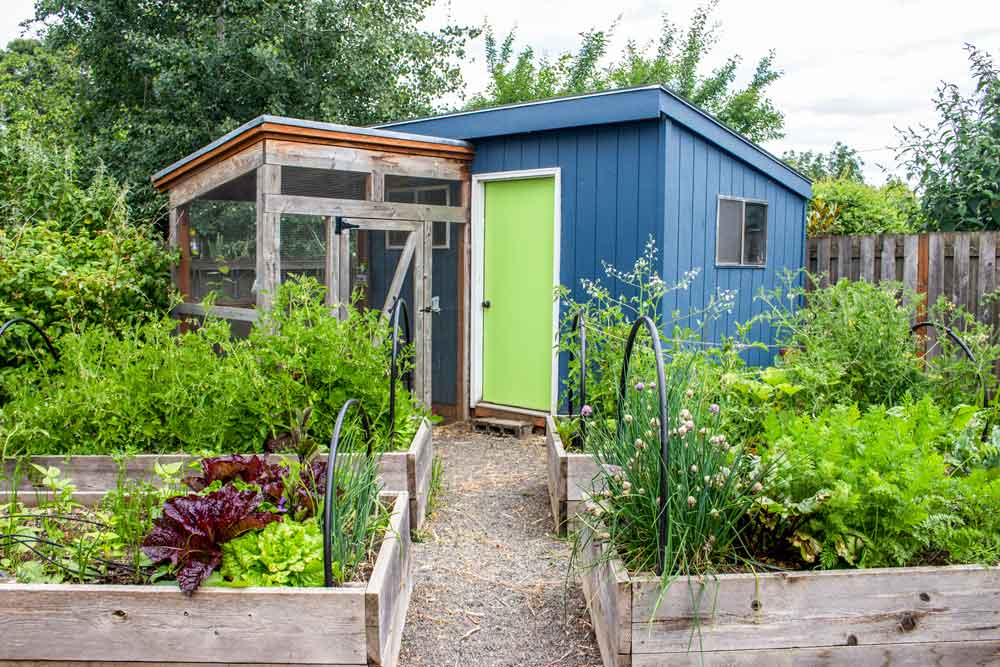
Understanding Sustainable City Living
The concept of sustainable city living involves making choices that support the environment while maintaining a high quality of life in urban settings. This includes using renewable energy sources, reducing waste, and promoting green spaces. By prioritizing sustainability, cities can become more resilient to environmental changes and improve the overall well-being of their residents.
Benefits of Sustainable City Living
There are numerous benefits to adopting a sustainable city living approach. It can lead to improved air quality, reduced energy costs, and a stronger sense of community. Additionally, sustainable practices can enhance public health by encouraging active transportation, such as walking and cycling, which can also reduce traffic congestion.
Challenges in Sustainable Urban Development
Despite the advantages, there are challenges associated with implementing sustainable city living. These include financial constraints, regulatory hurdles, and the need for community engagement. Overcoming these challenges requires collaboration between government, businesses, and citizens.
Key Elements of Sustainable City Living
Green Building Practices
Green building practices are essential for sustainable city living. These practices focus on energy efficiency, water conservation, and the use of sustainable materials. By incorporating green building techniques, cities can reduce their environmental impact and create healthier living spaces.
Renewable Energy Sources
Utilizing renewable energy sources such as solar, wind, and geothermal power is crucial for reducing reliance on fossil fuels. Cities adopting renewable energy contribute to a cleaner environment and offer residents more sustainable and cost-effective energy options.
Efficient Public Transportation
Efficient public transportation systems are vital for sustainable city living. By investing in public transport, cities can reduce traffic congestion, lower emissions, and improve accessibility for all residents.
Urban Green Spaces
Green spaces, such as parks and community gardens, are important for enhancing the quality of urban life. They provide residents with recreational opportunities, improve air quality, and support biodiversity within city environments.
Implementing Sustainable Practices in Urban Areas
Promoting Waste Reduction
Waste reduction is a key aspect of sustainable city living. By encouraging recycling and composting, cities can minimize landfill use and conserve resources. Educational programs and incentives can further support waste reduction efforts.
Encouraging Sustainable Transportation
To promote sustainable transportation, cities can invest in infrastructure that supports walking, cycling, and public transit. Initiatives such as bike-sharing programs and pedestrian-friendly streets can significantly reduce the environmental impact of urban transportation.
Community Engagement and Education
Community engagement is crucial for the success of sustainable city living initiatives. By involving residents in decision-making processes and providing education on sustainability, cities can foster a culture of environmental stewardship and collective responsibility.
Future of Sustainable City Living
The future of sustainable city living is promising, with advancements in technology and increased awareness of environmental issues driving change. Cities worldwide are adopting smart city technologies that enhance sustainability, such as intelligent transportation systems and energy-efficient buildings.
Innovative Solutions for Urban Sustainability
Innovations such as vertical farming, green roofs, and urban agriculture are becoming integral to sustainable city living. These solutions address food security, improve air quality, and provide green spaces in densely populated areas.
Role of Policy and Governance
Effective policy and governance are essential for advancing sustainable city living. Governments play a crucial role in setting regulatory frameworks, providing funding, and supporting research and development in sustainability initiatives.
Collaboration for a Sustainable Future
Collaboration between stakeholders, including government agencies, businesses, and citizens, is vital for achieving sustainable city living. By working together, communities can develop innovative solutions and create resilient urban environments.
The Role of Homesteaders in Urban Sustainability
Homestead dreamers play a significant role in promoting sustainable city living. By adopting practices such as urban gardening, composting, and energy conservation, homesteaders can lead by example and inspire others to embrace sustainability.
For more insights on integrating homesteading practices into urban life, you can explore aquaponics systems and frugal living tips.
Conclusion
Sustainable city living offers a path to a more eco-friendly and resilient urban future. By adopting sustainable practices, cities can improve the quality of life for their residents and contribute to global environmental conservation efforts. As homestead dreamers and urban dwellers unite in this mission, the vision of sustainable cities becomes increasingly attainable.

FAQs
What is Sustainable City Living?
Sustainable city living refers to adopting practices that reduce environmental impact while maintaining a high quality of life in urban areas. It involves using renewable energy, promoting green spaces, and reducing waste.
How Can I Contribute to Sustainable City Living?
Individuals can contribute to sustainable city living by adopting eco-friendly practices such as recycling, using public transportation, and supporting local green initiatives.
Why is Sustainable City Living Important?
Sustainable city living is important because it helps reduce the carbon footprint of urban areas, improves public health, and enhances the overall quality of life for city residents.
For more information on urban homesteading, you can visit The Ginger Home.