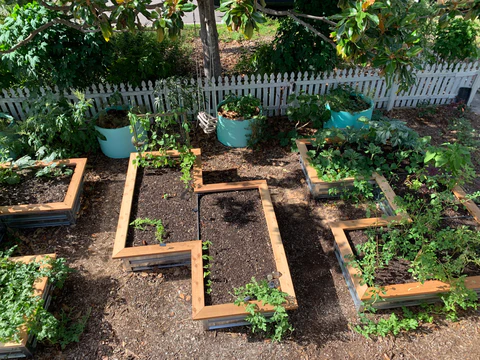
Managing vining plants in compact gardens or on patios can be both rewarding and challenging. With limited ground area, it’s essential to use smart strategies to maximize growth, encourage healthy yields, and maintain an attractive, organized space. Whether you’re working with a balcony, a small backyard, or a raised bed, small-space vine management requires a thoughtful approach to plant selection, support systems, and ongoing care.
Many modern homesteaders are turning to creative solutions for growing climbing vegetables, fruits, and ornamental vines in tight quarters. If you’re interested in more ways to optimize your homestead, the modern homesteading fencing guide offers practical advice for efficient land use and garden protection.
Choosing the Right Vines for Compact Gardens
Not all vining plants are equally suited for small spaces. When planning your garden, prioritize varieties that are naturally compact, have manageable growth habits, or can be easily trained. Some excellent options for tight areas include:
- Peas and beans – These annual climbers are productive and respond well to vertical supports.
- Cucumbers – Look for bush or patio varieties that thrive in containers and on trellises.
- Miniature pumpkins and squash – Select small-fruited types for easier management.
- Passionflower and clematis – Ornamental vines that offer beauty without overwhelming the space.
- Tomatoes – Indeterminate cherry or grape types can be trained vertically for efficient use of space.
When selecting plants, check the mature size and growth rate. Compact or dwarf cultivars are ideal for patios, balconies, or raised beds, where every inch counts.
Essential Structures for Small-Space Vine Management
Supporting your vines is crucial for both productivity and aesthetics. In confined areas, vertical gardening is your best friend. Here are some effective support systems:
- Trellises – Classic A-frame, flat, or obelisk trellises can be placed in containers or garden beds.
- Arches and tunnels – These create walkways and maximize vertical growing space.
- Netting and string lines – Perfect for lightweight climbers like peas and beans.
- Wall-mounted grids – Attach to fences or walls to train vines upward without taking up floor space.
- Stake and cage systems – Ideal for tomatoes and compact cucumbers in pots.
Choose sturdy materials that can withstand the weight of mature plants and resist weathering. For renters or those with temporary setups, portable supports are a practical solution.
Soil, Water, and Sunlight Considerations
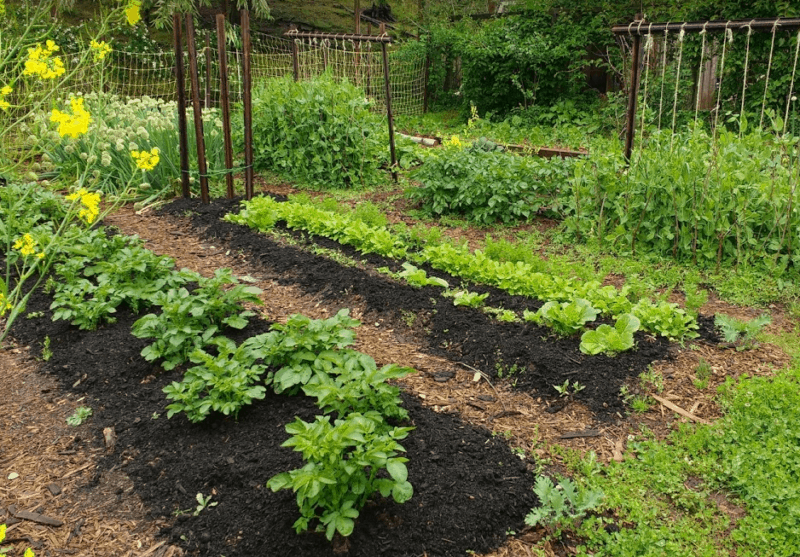
Healthy vines in small gardens depend on quality soil, consistent watering, and adequate sunlight. Because containers and raised beds dry out faster than in-ground plots, moisture management is especially important.
- Soil: Use a rich, well-draining mix with added compost or worm castings for nutrients.
- Watering: Check soil moisture daily, especially during hot weather. Drip irrigation or self-watering containers can help maintain even hydration.
- Sunlight: Most vining vegetables need at least 6–8 hours of direct sun. If your space is shaded, consider using LED grow lights to supplement natural light indoors or on covered patios.
Mulching around the base of your plants helps retain moisture and suppress weeds, which is especially useful in compact gardens where competition for resources is high.
Pruning and Training for Maximum Yield
Keeping vining plants tidy and productive in a small area means regular pruning and training. This not only controls their size but also improves air circulation and fruit quality.
- Pinch off excess shoots to direct energy into fruit production.
- Remove yellowed or crowded leaves to reduce disease risk.
- Guide tendrils onto supports as the plant grows, using soft ties or clips if needed.
- Harvest frequently to encourage continuous production, especially for beans, peas, and cucumbers.
For indeterminate tomatoes and vigorous climbers, regular maintenance is key to preventing tangles and overcrowding. With a little attention, your vertical garden will remain healthy and attractive all season.
Pest and Disease Prevention in Tight Quarters
Limited space can sometimes mean increased risk of pests and diseases, as plants are closer together and airflow is reduced. To keep your vines healthy:
- Inspect plants regularly for aphids, spider mites, and fungal issues.
- Use organic controls like neem oil or insecticidal soap if needed.
- Encourage beneficial insects, such as ladybugs, by planting companion flowers nearby.
- Rotate crops each season to prevent soil-borne diseases.
- Clean up fallen leaves and debris promptly to reduce hiding places for pests.
Good hygiene and attentive care are your best defenses. For more inspiration on creating a productive and resilient homestead, check out these herbal garden ideas for small spaces.
Harvesting and Enjoying Your Vertical Bounty
One of the joys of compact vine gardening is the ease of harvesting. Fruits and vegetables are often at eye level or within easy reach, making daily picking simple. Here are a few tips:
- Harvest regularly to keep plants productive and prevent overripening.
- Use clean, sharp scissors or pruners to avoid damaging stems.
- Enjoy your harvests fresh, or preserve extras by pickling, freezing, or drying.
With careful planning and attention, even the smallest garden can yield an impressive variety of produce and flowers. For those interested in a broader look at modern homesteading, this introduction to modern homesteading podcast provides valuable insights and inspiration.
Frequently Asked Questions
What are the best vines to grow in containers?
Compact varieties of peas, beans, cucumbers, cherry tomatoes, and ornamental flowers like nasturtiums and clematis are excellent choices for container gardening. Look for dwarf or bush types for easier management.
How do I prevent vines from becoming tangled in small spaces?
Regularly train vines onto supports, prune excess growth, and use soft ties to guide stems. Staying on top of maintenance prevents tangling and keeps your garden tidy.
Can I grow vining plants indoors?
Yes, many vining vegetables and ornamentals can thrive indoors with adequate sunlight or supplemental LED grow lights. Choose compact varieties and ensure proper support for best results.
How often should I water vines in containers?
Container-grown vines typically need watering every 1–2 days during hot weather. Check soil moisture regularly and adjust based on plant needs and weather conditions.
By applying these small-space vine management techniques, you can transform even the tiniest outdoor or indoor area into a productive, beautiful green space. With the right plants, supports, and care, your compact garden will thrive season after season.