Growing cabbage in limited areas is entirely possible with the right strategies. Whether you have a compact backyard, a balcony, or a small raised bed, you can still enjoy fresh, homegrown cabbage. Small-space cabbage gardening focuses on maximizing yield, choosing suitable varieties, and using creative techniques to make the most of every square foot.
This article covers practical advice for cultivating cabbage in tight quarters, from selecting containers to managing pests. If you’re interested in expanding your homesteading skills further, check out the modern homesteading fencing guide for tips on protecting your garden space.
Choosing the Right Cabbage Varieties for Compact Gardens
Not all cabbage types are equally suited for tight spaces. For small-space cabbage gardening, opt for compact or mini varieties. These cultivars produce smaller heads and have a shorter growing season, making them ideal for containers or raised beds. Look for names like ‘Golden Acre’, ‘Gonzales’, or ‘Caraflex’. These options allow you to fit more plants in less space and harvest sooner.
When selecting seeds or seedlings, check the mature size and days to harvest. Early-maturing types are perfect for succession planting, letting you enjoy multiple crops throughout the season.
Preparing Soil and Containers for Optimal Growth
Healthy, nutrient-rich soil is crucial for any vegetable, but especially for cabbage grown in confined areas. Use a high-quality potting mix with plenty of organic matter. If you’re planting in the ground, amend your soil with compost and ensure good drainage.
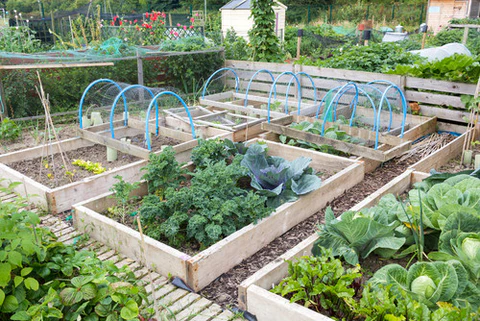
For containers, choose ones that are at least 12 inches deep and wide. This gives roots enough room to develop. Raised beds are another excellent option, as they allow for better soil control and easier management of spacing.
Efficient Plant Spacing and Layout Techniques
Making the most of limited space means careful planning. For small-space cabbage gardening, plant heads closer together than you would in a traditional garden, but not so close that air circulation is compromised. A general guideline is to space compact varieties 10–12 inches apart. Use a staggered or triangular layout to fit more plants in a given area.
Interplanting is another smart strategy. Grow fast-maturing crops like radishes or lettuce between cabbage seedlings. These companion plants can be harvested before the cabbage needs more room, maximizing your yield.
Container and Raised Bed Solutions for Cabbage
Containers and raised beds are the backbone of gardening in tight quarters. Large pots, grow bags, and troughs allow you to move plants as needed and control soil quality. Fabric grow bags are especially popular because they provide excellent drainage and root aeration.
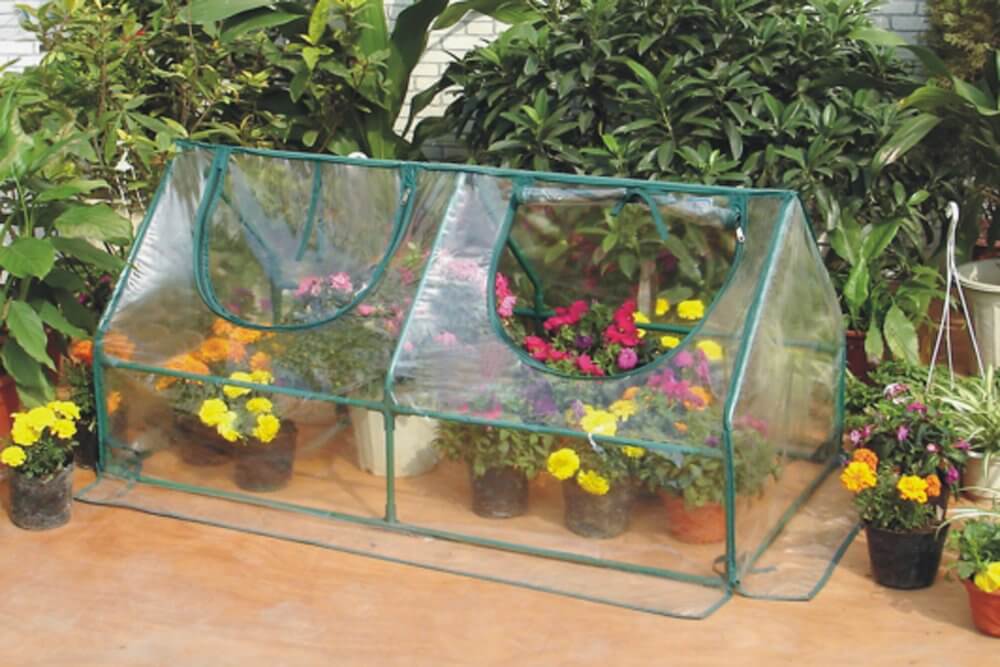
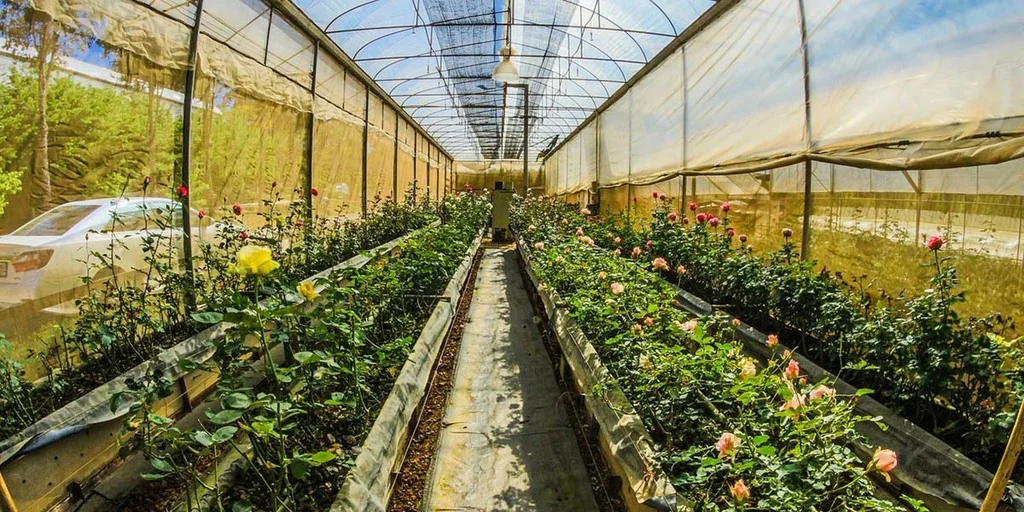
When using containers, ensure they have drainage holes and are filled with a rich, well-draining mix. Place them in a location that receives at least six hours of sunlight daily. If you’re using raised beds, consider adding a cold frame or mini greenhouse to extend your growing season and protect young plants from pests.
Watering, Feeding, and Sunlight Requirements
Cabbage needs consistent moisture, especially when grown in containers or raised beds, as these dry out faster than traditional garden soil. Water deeply whenever the top inch of soil feels dry. Avoid overhead watering to reduce the risk of fungal diseases.
Feed your plants with a balanced, slow-release fertilizer or supplement with liquid feeds every few weeks. Cabbage is a heavy feeder, so regular nutrition is key to producing firm, healthy heads. Place your containers or beds where they’ll receive at least six hours of direct sunlight each day for optimal growth.
Pest and Disease Management in Tight Spaces
Limited growing areas can make pest outbreaks more noticeable. Keep an eye out for common cabbage pests like cabbage worms, aphids, and slugs. Use floating row covers to protect young plants and hand-pick pests when possible.
Practice crop rotation if you’re using raised beds, and remove any plant debris promptly to prevent disease buildup. Healthy soil and proper spacing help reduce the risk of fungal issues.
Harvesting and Succession Planting for Maximum Yield
Harvest cabbage heads when they feel firm and reach the expected size for their variety. Don’t wait too long, as over-mature heads can split. Use a sharp knife to cut the head at the base, leaving the outer leaves and root system in place. Sometimes, smaller side heads will develop for a second harvest.
For continuous production, practice succession planting. Start new seeds every few weeks so you’ll have a steady supply of fresh cabbage throughout the season. This approach is especially effective in small-space cabbage gardening, where maximizing every inch is essential.
Resources for Further Learning
For more on sustainable living and maximizing your garden’s potential, listen to this introduction to modern homesteading podcast. You can also explore ideas for herbal gardens in the modern homesteading herbal garden ideas article.
Frequently Asked Questions
What is the best cabbage variety for container gardening?
Compact or mini varieties like ‘Gonzales’, ‘Golden Acre’, and ‘Caraflex’ are ideal for containers. They require less space and mature quickly, making them perfect for small gardens or patios.
How often should I water cabbage grown in pots?
Water cabbage in containers whenever the top inch of soil feels dry. During hot weather, this may mean watering every day. Consistent moisture is important, but avoid waterlogging the soil.
Can I grow cabbage indoors with artificial light?
Yes, cabbage can be grown indoors using LED grow lights. Ensure your plants receive at least 12–16 hours of light daily for healthy growth. Use a full-spectrum light for best results.