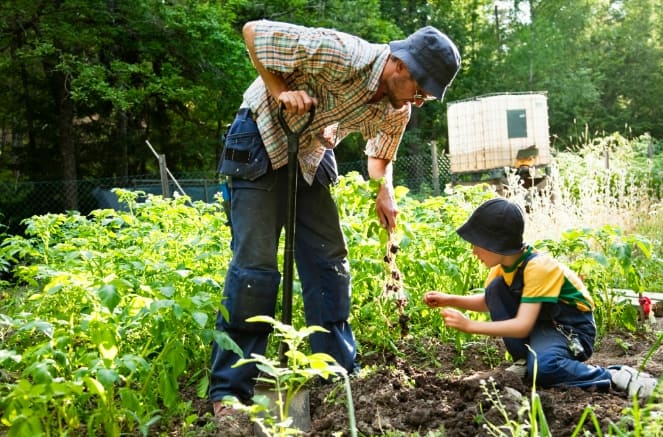
Building a self-sufficient homestead is an exciting journey toward independence, resilience, and a closer connection with nature. For those just starting out, the process can seem overwhelming, but with the right information and a step-by-step approach, anyone can begin to create a thriving, sustainable lifestyle. This article offers a practical overview of the essential steps, skills, and resources needed to establish your own productive homestead from scratch.
Whether your goal is to grow your own food, raise animals, or simply reduce your reliance on outside systems, this resource will help you understand the basics and avoid common pitfalls. If you’re interested in a more comprehensive look at starting from the ground up, the complete guide to off-grid homesteading provides additional in-depth strategies for long-term success.
Understanding the Basics of Homestead Self-Sufficiency
At its core, a self-reliant homestead is about producing as much of your own food, energy, and resources as possible. This approach reduces dependence on commercial supply chains and helps you weather economic or environmental disruptions. Beginners should focus on building foundational skills and gradually expanding their capabilities.
- Food production: Gardening, fruit trees, and small livestock are the backbone of most homesteads.
- Water management: Collecting rainwater, digging wells, or using natural springs ensures a reliable supply.
- Energy solutions: Solar panels, wood stoves, and other renewable sources can power your home and tools.
- Shelter and infrastructure: Simple, durable buildings and fencing are essential for both people and animals.
For those interested in the logistics of starting out, the off-grid homestead startup timeline breaks down the process into manageable phases, helping you prioritize tasks and avoid feeling overwhelmed.
Choosing the Right Land and Location
Selecting a suitable property is one of the most critical decisions for any aspiring homesteader. Consider the following factors:
- Soil quality: Fertile, well-drained soil supports productive gardens and orchards.
- Water access: Reliable water sources are non-negotiable for both crops and livestock.
- Climate and exposure: Sunlight, wind, and temperature patterns affect what you can grow and how you build.
- Local regulations: Zoning laws, building codes, and animal restrictions can impact your plans.
If you’re wondering how much space you’ll need, check out this resource on how much land needed for an off-grid homestead to help you make an informed choice.
Starting Your First Homestead Garden
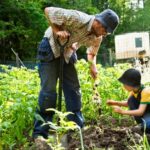
Gardening is often the gateway to self-sufficiency. Even a small plot can yield a surprising amount of produce with proper planning and care. Here are some tips for beginners:
- Begin with easy-to-grow crops like lettuce, beans, tomatoes, and squash.
- Use raised beds or containers if your soil is poor or space is limited.
- Practice crop rotation and companion planting to maintain soil health.
- Compost kitchen scraps and yard waste to enrich your garden naturally.

Raising Animals for Food and Sustainability
Adding livestock to your homestead increases your food security and provides valuable byproducts like manure and eggs. Start small and choose animals that fit your land, climate, and experience level:
- Chickens: Easy to care for, provide eggs and meat, and help control pests.
- Goats or sheep: Good for milk, meat, and weed control on larger properties.
- Rabbits: Quiet, space-efficient, and fast-growing for meat production.
Proper housing, fencing, and predator protection are essential. Investing in quality infrastructure, such as a smart chicken coop, can save time and reduce losses.
Essential Skills for New Homesteaders
Developing practical abilities is as important as acquiring land or livestock. Some key skills include:
- Basic carpentry and repairs: Fixing fences, building sheds, and maintaining tools.
- Food preservation: Canning, drying, and fermenting help you store seasonal abundance.
- Animal husbandry: Understanding animal health, breeding, and nutrition.
- First aid and safety: Knowing how to handle emergencies on your property.
Learning from others and seeking out reliable resources is crucial. Avoiding the mistakes new homesteaders make can save you time, money, and frustration as you gain experience.

Budgeting and Living Simply on Your Homestead
Starting a sustainable homestead doesn’t require a fortune. Many people begin with limited resources and gradually expand as they learn. Here are some ways to keep costs manageable:
- Repurpose materials and build what you can by hand.
- Barter with neighbors for goods and services.
- Focus on high-impact projects first, such as a productive garden or water system.
- Take advantage of free or low-cost educational resources online and in your community.
For inspiration on how to thrive with minimal spending, see this guide to living off the grid with no money, which offers practical tips for stretching your budget and making the most of what you have.
Planning for Long-Term Resilience
As you gain experience, your homestead will evolve. Long-term resilience comes from diversifying your food sources, improving soil health, and building strong community connections. Keep learning, adapt to challenges, and celebrate small wins along the way.
If you’re considering a full-time lifestyle change, the article on how to live off-grid full time explores what it takes to make the leap and sustain yourself year-round.
Frequently Asked Questions
What is the first step to becoming more self-sufficient on a homestead?
The best place to start is by assessing your current resources—land, water, skills, and budget. Begin with a small garden or a few chickens, and gradually add new elements as you gain confidence and experience.
How much land do I need for a beginner homestead?
Many people start with as little as a quarter acre, especially if focusing on intensive gardening and small livestock. Larger properties offer more options, but even small plots can be highly productive with careful planning.
What are common mistakes new homesteaders should avoid?
Overcommitting, neglecting research, and failing to plan for water and shelter are frequent pitfalls. It’s important to start small, learn from others, and adapt as you go. For more details, see the resource on mistakes new homesteaders make.
Can I homestead if I have a full-time job?
Yes, many people balance homesteading with outside work by starting small and focusing on manageable projects. Time management and prioritizing essential tasks are key to making steady progress.
How can I learn more about off-grid living?
There are many online communities, books, and local workshops dedicated to off-grid skills. The complete guide to off-grid homesteading is a great place to start for a deeper dive into this lifestyle.