In today’s world, where green spaces are shrinking and urban living is on the rise, the concept of rooftop homesteading ideas is gaining momentum. These innovative ideas not only offer a chance to grow your own food but also help in creating sustainable environments. By transforming unused rooftops into vibrant gardens, you can bring nature back to the city and enjoy the numerous benefits that come with it.
What is Rooftop Homesteading?
Before diving into the ideas, it’s essential to understand what rooftop homesteading entails. At its core, it involves utilizing rooftops to cultivate plants, vegetables, and sometimes even raise small livestock. Its a way to practice self-sufficiency and reduce your carbon footprint, all while enjoying the therapeutic benefits of gardening.
Benefits of Rooftop Homesteading
Environmental Impact
Rooftop gardens help in reducing urban heat, filtering pollutants, and improving air quality. They act as insulators for buildings, leading to energy savings. Additionally, they support biodiversity by providing habitats for various species.
Personal Well-being
Gardening has been linked to numerous mental health benefits. It reduces stress, boosts mood, and provides a sense of accomplishment. Furthermore, consuming homegrown organic produce can lead to a healthier lifestyle. For more on the physical health benefits of homesteading, visit our detailed guide.
Getting Started with Rooftop Homesteading
Assess Your Space
Begin by evaluating your rooftop’s structure and potential. Ensure it can support the weight of a garden. Check for sunlight exposure and water accessibility. Consulting with a structural engineer might be a wise step to ensure safety.
Plan Your Layout
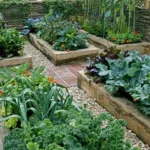
Sketch a layout that optimizes space. Consider pathways, plant beds, and water systems. Vertical gardening can be an excellent solution for maximizing limited areas.
Choose the Right Plants
Opt for plants that thrive in your climate and conditions. Leafy greens, tomatoes, herbs, and strawberries are popular choices. Remember to rotate crops to maintain soil health.
Innovative Rooftop Homesteading Ideas
Vertical Gardens
Vertical gardens are perfect for urban settings. They save space and can be customized with various plants. Using trellises, wall planters, and hanging pots are effective methods.
Hydroponics Systems
Hydroponics involves growing plants without soil, using nutrient-rich water. It’s efficient, uses less water, and results in faster plant growth. This system is ideal for urban dwellers with limited space.
Bee and Chicken Coops
If your building permits, consider keeping bees or chickens. Bees aid in pollination, while chickens provide fresh eggs and natural pest control. Ensure proper care and maintenance to keep them healthy and productive.
Challenges and How to Overcome Them
Weather Conditions
Rooftops are often exposed to extreme weather. To protect your garden, use windbreakers, shade cloths, and proper irrigation systems. Choose resilient plants that can withstand fluctuating temperatures.
Pest Management
Urban gardening isn’t immune to pests. Implement natural pest control methods, such as companion planting, neem oil, and insect netting. Regularly inspect plants to catch infestations early.
Initial Setup Costs
The initial investment for a rooftop garden can be high. However, many cost-effective solutions exist, such as using recycled materials for planters. For more tips on budget-friendly homesteading, explore our comprehensive guide.
Rooftop Homesteading Success Stories
Numerous urban dwellers have successfully transformed their rooftops into productive gardens. These stories highlight the potential and benefits of rooftop homesteading. They serve as inspiration for those looking to embark on their own green journey.
Future of Rooftop Homesteading
As urbanization continues, the future of rooftop gardening looks promising. With advancements in technology and growing awareness, more people are expected to adopt this sustainable practice. It offers a solution to food scarcity and contributes to greener cities.
Conclusion
Incorporating rooftop homesteading ideas into urban settings is not just a trend but a necessity. It offers numerous benefits, from environmental impacts to personal well-being. Whether you’re a seasoned gardener or a beginner, there’s no better time to transform your rooftop into a thriving garden. For those new to the concept, the beginning homesteading guide is an excellent starting point.
FAQs
1. Can I start a rooftop garden in any climate?
Yes, but you’ll need to select plants suitable for your climate and use strategies like greenhouses or shade cloths to manage extreme weather.
2. How do I ensure my rooftop garden is sustainable?
Use organic methods, recycle materials, and incorporate water-saving irrigation systems to maintain sustainability.
3. Is rooftop homesteading expensive to start?
While initial costs can be high, there are many budget-friendly solutions and resources available to help manage expenses effectively.