Building a resilient and sustainable life away from modern infrastructure is a dream for many. At the heart of this lifestyle is permaculture for off-grid homestead—a practical approach that helps people design productive, self-sufficient systems using natural principles. Whether you’re just starting out or looking to deepen your understanding, this guide breaks down the essentials of applying permaculture to a remote homestead in clear, actionable steps.
Embracing these methods can transform your land into a thriving ecosystem that supports food, water, shelter, and energy needs with minimal outside input. If you’re new to this way of living, you might find it helpful to read off-grid homesteading for beginners for a broader overview before diving into the specifics of permaculture.
Understanding the Basics of Permaculture for Off-Grid Living
Permaculture is more than just a gardening technique. It’s a holistic design philosophy that mimics natural ecosystems to create sustainable, regenerative environments. For those living off the grid, these principles offer a blueprint for meeting daily needs while reducing reliance on external resources.
- Observe and Interact: Spend time understanding your land’s climate, soil, water flow, and native species.
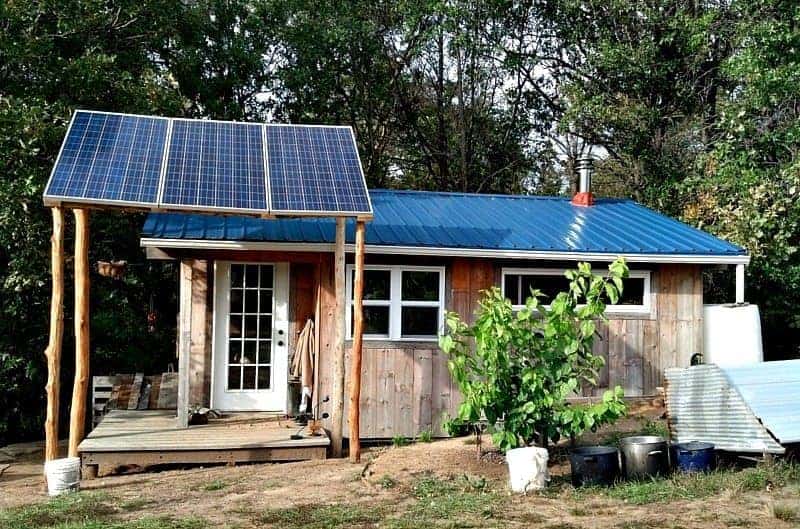
- Catch and Store Energy: Use solar panels, rainwater catchment, and composting to harness and retain resources.
- Produce No Waste: Turn kitchen scraps into compost, reuse greywater, and repurpose materials whenever possible.
- Integrate Rather Than Segregate: Combine plants, animals, and structures so they support each other, just like in nature.
By following these core concepts, you can create a homestead that is productive, resilient, and adaptable to change.
Designing Your Off-Grid Homestead with Permaculture Principles
The design process starts with careful observation and mapping. Identify the sun’s path, wind patterns, water sources, and existing vegetation. This information helps you decide where to place gardens, water systems, animal shelters, and living spaces for maximum efficiency.
For a step-by-step approach to setting up your property, check out how to start an off-grid homestead. Integrating permaculture from the beginning saves time and resources in the long run.
Zones and Sectors: Organizing Your Space
Permaculture design uses the concept of zones—areas arranged by how often you visit them. For example, your kitchen garden (Zone 1) should be close to the house, while firewood storage or wild foraging areas (Zone 5) can be farther away. Sectors consider external influences like sun, wind, and wildlife, helping you place windbreaks, water tanks, or animal pens in the most strategic spots.
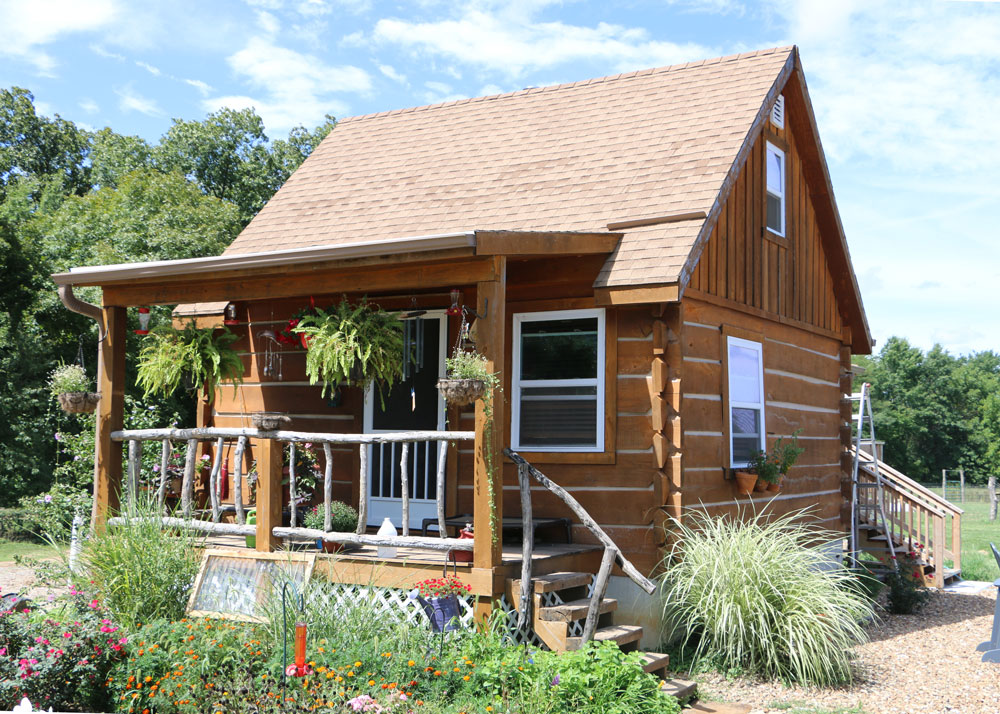
Food Production: Gardens, Animals, and Perennial Systems
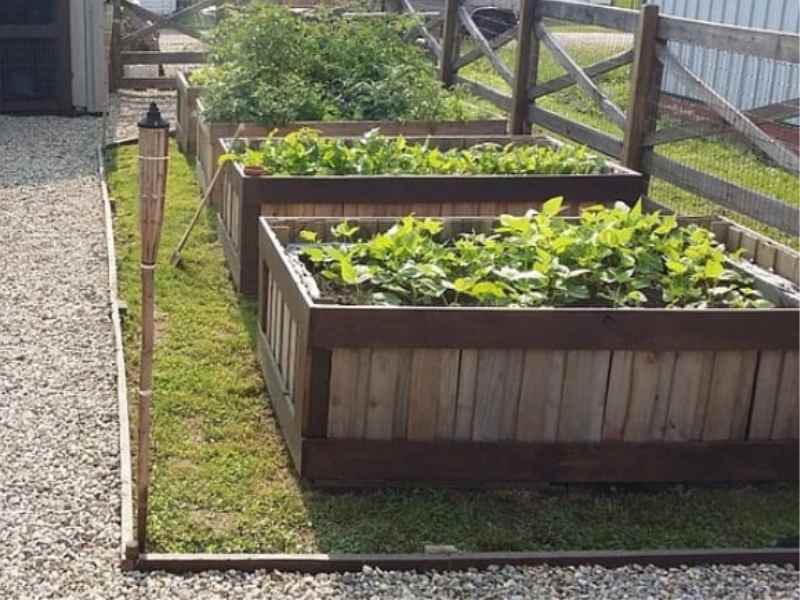
A key part of permaculture for off-grid homestead is growing food in ways that build soil health and require less work over time. Start with a mix of annual and perennial crops. Raised beds, hugelkultur mounds, and food forests are all effective techniques.
For more details on cultivating your own produce, read the growing food off-grid guide. Pairing vegetables with fruit trees, herbs, and pollinator plants creates a resilient food web.
Integrating Animals into Your System
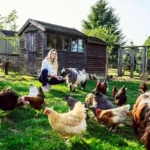
Chickens, ducks, goats, and bees can all play a role in your homestead ecosystem. Animals provide eggs, milk, meat, and honey, but they also help with pest control, soil fertility, and weed management. Rotational grazing and mobile coops keep the land healthy and productive.
Water, Waste, and Energy: Closing the Loops
Sustainable living means making the most of every drop of water and every scrap of organic matter. Rainwater harvesting, greywater recycling, and compost toilets are all common features on a permaculture homestead. Solar panels, wind turbines, and passive solar design help meet energy needs with minimal environmental impact.
For animal care and waste management tips, see off-grid livestock care. These strategies not only reduce your ecological footprint but also save money and labor over time.
Building Soil and Storing Water
Healthy soil is the foundation of any productive homestead. Use mulches, cover crops, and compost to build fertility naturally. Swales, ponds, and rain gardens can capture and store water, making your land more drought-resistant.
Learning and Community Resources
No one needs to reinvent the wheel. There are many resources available to help you succeed. For a broader perspective on self-sufficient living, you might find value in this comprehensive introduction to homesteading. Connecting with local growers, attending workshops, and joining online forums can provide support and inspiration.
If you want to understand the fundamentals of this lifestyle, what is off-grid homesteading offers a thorough beginner’s guide.
FAQ: Common Questions About Permaculture and Off-Grid Homesteads
What is the first step in applying permaculture to an off-grid property?
Start by observing your land for at least a full year if possible. Map out sun exposure, wind direction, water flow, and existing plants. This information will guide your design and help you avoid costly mistakes.
Can permaculture work in small or challenging climates?
Absolutely. The principles are adaptable to any size or environment. In dry or cold regions, focus on water conservation, windbreaks, and selecting hardy plant varieties. Even a small plot can benefit from integrated, multi-layered systems.
How do I manage pests and weeds without chemicals?
Use a combination of strategies: encourage beneficial insects, rotate crops, mulch heavily, and integrate animals like chickens or ducks for natural pest control. Healthy, diverse systems are less prone to outbreaks.
Is it expensive to set up a permaculture homestead?
Initial costs depend on your starting point and goals. Many techniques, like composting and mulching, use free or low-cost materials. Over time, the system becomes more productive and less dependent on outside inputs, saving money in the long run.
Conclusion
Adopting permaculture for off-grid homestead practices is a practical path to greater independence and ecological harmony. By observing your land, designing thoughtfully, and working with natural systems, you can create a homestead that provides for your needs while regenerating the environment. Start small, keep learning, and enjoy the journey toward a more sustainable future.