Food security is a growing concern in many parts of the world, driven by climate change, population growth, and resource limitations. One approach that offers a holistic and sustainable solution is permaculture design for food security. By integrating ecological principles with practical design strategies, permaculture helps communities and individuals create resilient food systems that can thrive in diverse environments. This article explores the principles, practices, and climate-specific adaptations of permaculture, offering actionable insights for anyone interested in building a more secure and sustainable food future.
Understanding Permaculture and Its Role in Food Security
Permaculture is a design philosophy rooted in the observation of natural ecosystems. It aims to create productive landscapes that mimic the diversity, stability, and resilience of nature. In the context of food security, permaculture focuses on designing systems that consistently provide food, even in the face of environmental or economic challenges.
Unlike conventional agriculture, which often relies on monocultures and external inputs, permaculture emphasizes diversity, closed nutrient cycles, and minimal waste. By working with natural processes, permaculture practitioners can produce food, fiber, and other resources while regenerating soil, conserving water, and supporting biodiversity.
Core Principles of Permaculture Design
The foundation of permaculture design for food security lies in a set of guiding principles that inform every decision, from garden layout to community planning. Some of the most important principles include:
- Observe and Interact: Spend time understanding the landscape, climate, and existing ecosystems before making changes. This helps ensure that interventions are well-suited to the environment.
- Catch and Store Energy: Harness resources like sunlight, rainwater, and organic matter when they are abundant, storing them for times of scarcity.
- Obtain a Yield: Design systems that provide tangible benefits, such as food, medicine, or materials, to meet immediate needs and sustain motivation.
- Apply Self-Regulation and Accept Feedback: Monitor outcomes and adjust practices as needed to maintain balance and productivity.
- Use and Value Diversity: Incorporate a wide range of plants, animals, and techniques to increase resilience and reduce vulnerability to pests or disease.
- Integrate Rather Than Segregate: Place elements in ways that support each other, such as planting nitrogen-fixing trees near crops that need extra nutrients.
- Use Small and Slow Solutions: Favor gradual, manageable changes over large-scale interventions, allowing systems to adapt and evolve naturally.
These principles set permaculture apart from conventional agriculture by prioritizing long-term sustainability and ecological health over short-term yields.
Permaculture Practices That Support Food Security
Applying permaculture principles leads to a variety of practical strategies that directly enhance food security. Some of the most effective practices include:
- Polyculture Planting: Growing multiple crops together, rather than a single monoculture, increases biodiversity and reduces the risk of total crop failure. For example, a garden bed might combine vegetables, herbs, and flowers that support each other through pest control and nutrient sharing.
- Soil Health and Nutrient Cycling: Permaculture gardens focus on building rich, living soil through composting, mulching, and minimal tillage. Healthy soil supports robust plant growth and retains moisture, reducing the need for chemical fertilizers.
- Water Management: Techniques such as swales, rain gardens, and drip irrigation help capture and conserve water, making food production more resilient to drought and climate variability. These methods also reduce runoff and erosion.
- Perennial Crops: Including fruit trees, berry bushes, and perennial vegetables reduces the need for replanting and provides a steady food supply year after year.
- Integrated Animal Systems: Chickens, ducks, or other small livestock can be incorporated to provide eggs, meat, and natural pest control, while their manure enriches the soil.
These practices not only boost productivity but also create systems that are less dependent on external inputs and more adaptable to changing conditions. For those interested in broader applications, exploring permaculture design for climate adaptation can offer additional strategies for building resilience.
Adapting Permaculture Design to Different Climates
One of the strengths of permaculture is its flexibility. Design strategies can be tailored to suit a wide range of climates, from arid deserts to humid tropics and temperate regions. Here are some climate-specific approaches:
Arid and Semi-Arid Climates
- Water Harvesting: Use swales, berms, and earthworks to capture and direct rainfall into the soil. Plant drought-tolerant species and use mulch to reduce evaporation.
- Shade Structures: Incorporate trees or constructed shade to protect sensitive crops from intense sun and heat.
Temperate Climates
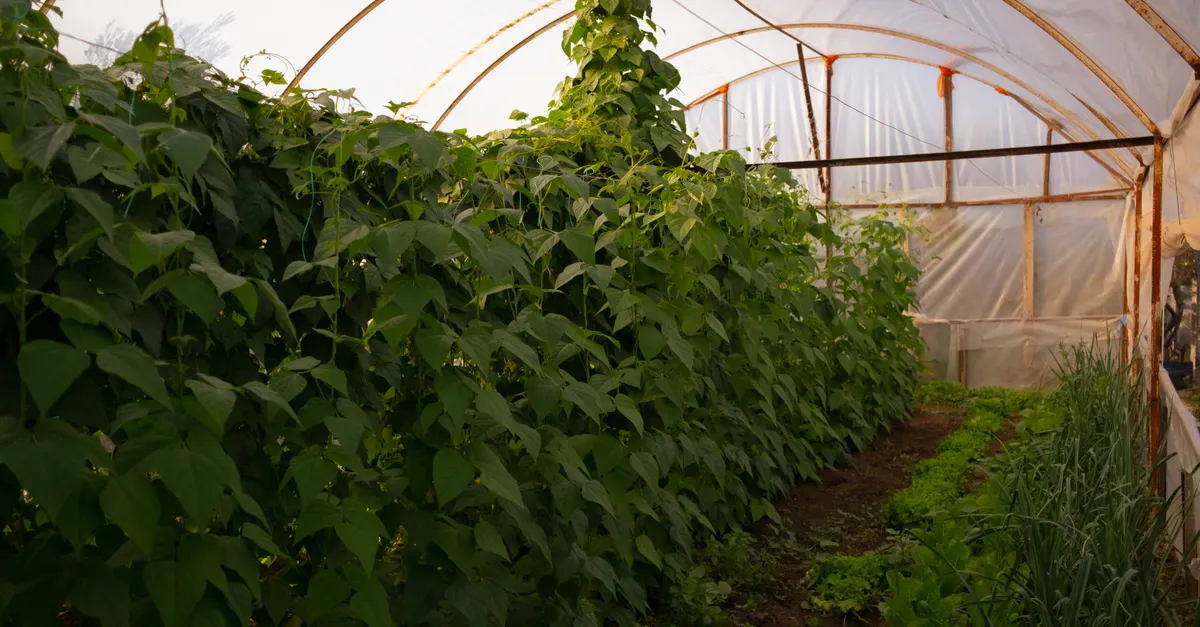
- Season Extension: Use cold frames, greenhouses, or row covers to lengthen the growing season and protect crops from frost.
- Layered Planting: Take advantage of the full growing season by stacking crops vertically—trees, shrubs, groundcovers, and root crops all in one space.
Tropical and Subtropical Climates
- Rainwater Management: Design drainage systems to handle heavy rainfall and prevent erosion.
- High-Density Planting: Mimic natural forests by planting densely, which shades the soil, suppresses weeds, and maintains humidity.
Adapting permaculture to local conditions increases the system’s resilience and productivity. It also helps communities respond to climate change and other environmental pressures, ensuring a stable food supply.
Challenges and Limitations of Permaculture for Food Security
While permaculture offers many benefits, there are also challenges to consider when using it as a strategy for food security:
- Initial Learning Curve: Understanding and applying permaculture principles can be complex, especially for those new to gardening or ecological design.
- Time and Labor Requirements: Establishing a permaculture system often requires significant upfront effort, including planning, planting, and building infrastructure.
- Access to Resources: Not everyone has access to suitable land, water, or materials needed to implement permaculture practices.
- Community and Policy Barriers: Local regulations or community norms may limit certain practices, such as keeping animals or altering landscapes.
Despite these challenges, many can be addressed through education, community collaboration, and incremental implementation. Permaculture is not a one-size-fits-all solution, but its adaptability allows practitioners to start small and scale up as resources and experience grow.

Looking Ahead: The Future of Permaculture in Food Security
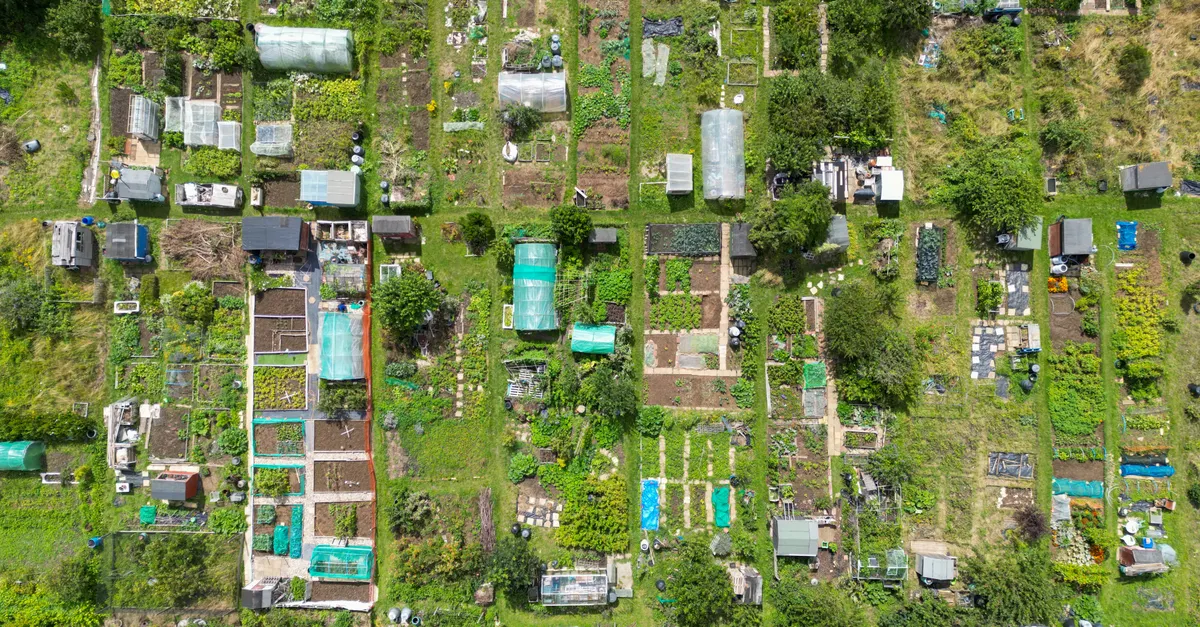
As global challenges to food production intensify, the relevance of permaculture continues to grow. By focusing on ecological health, resource efficiency, and community resilience, permaculture provides a pathway toward more secure and sustainable food systems. Its principles can be applied at any scale, from backyard gardens to community farms, making it accessible to individuals, families, and organizations alike.
With continued innovation and knowledge sharing, permaculture has the potential to transform how we produce and distribute food, supporting both people and the planet for generations to come.
Frequently Asked Questions
What are the core principles of permaculture design?
Permaculture design is guided by principles such as observing and interacting with nature, catching and storing energy, valuing diversity, integrating elements, and using small, slow solutions. These principles help create sustainable and resilient food systems.
How does permaculture contribute to food security?
Permaculture enhances food security by creating diverse, self-sustaining systems that produce food year-round, conserve resources, and adapt to changing conditions. Its focus on soil health, water management, and biodiversity reduces reliance on external inputs and increases resilience.
Can permaculture be adapted to any climate?
Yes, permaculture design can be tailored to a wide range of climates. By observing local conditions and selecting appropriate strategies—such as water harvesting in arid regions or layered planting in temperate zones—permaculture can thrive almost anywhere.