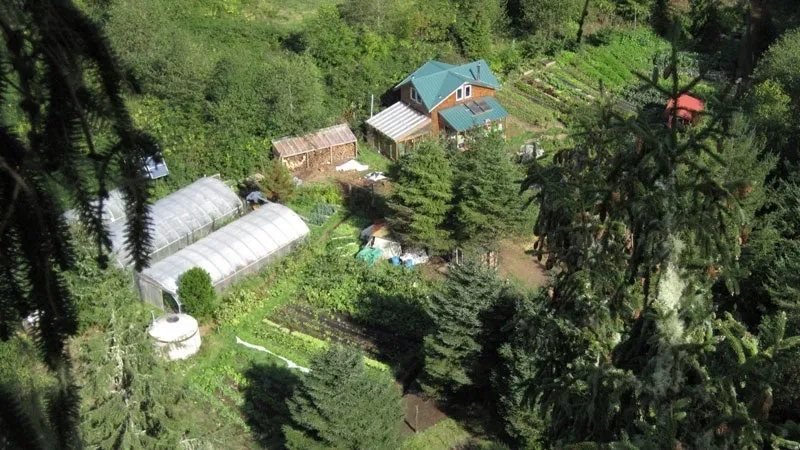
Designing a productive and sustainable vegetable garden without relying on the grid is a rewarding challenge. Whether you’re homesteading in a remote area or simply aiming for greater food independence, a well-planned off-grid vegetable garden layout can dramatically increase your harvest and resilience. The right layout not only maximizes yield but also reduces labor, conserves water, and supports healthy soil. This guide covers proven strategies, layout examples, and practical tips to help you create a thriving garden that works in harmony with nature.
For those new to self-sufficient living, you might want to explore what is off-grid homesteading to understand the broader principles behind sustainable, independent lifestyles.
Principles of Productive Off-Grid Garden Design
At the heart of every successful off-grid plot is a thoughtful design that considers sunlight, water, soil, and plant relationships. Here are some key principles to guide your planning:
- Sunlight Optimization: Place taller crops on the north or east side to prevent shading smaller plants. Most vegetables need at least 6-8 hours of direct sun.
- Water Conservation: Use swales, mulch, and rainwater harvesting to minimize reliance on external water sources. Group thirsty plants together for efficient watering.
- Soil Health: Rotate crops, use cover crops, and add compost to maintain fertility. Healthy soil is the foundation of high yields.
- Companion Planting: Combine plants that benefit each other, such as tomatoes and basil, to naturally deter pests and boost growth.
- Accessibility: Design paths wide enough for wheelbarrows and ensure beds are reachable from all sides to reduce soil compaction.
Popular Layouts for Off-Grid Vegetable Gardens
There’s no one-size-fits-all approach, but several classic layouts work especially well for maximizing yield and efficiency in off-grid settings.
Raised Beds for Intensive Growing
Raised beds are a favorite for many off-grid gardeners because they warm up quickly in spring, drain well, and allow for deep, fertile soil. They’re ideal for intensive planting and can be built from salvaged wood, stone, or metal. Grouping beds in blocks with paths between them makes crop rotation and maintenance easier.
Row Cropping and Block Planting
Traditional row cropping is straightforward and works well for larger plots, especially for crops like corn, beans, and potatoes. However, block planting—where crops are grown in rectangular sections rather than long rows—can increase yield by reducing wasted space and improving pollination. For those with limited space, small-space potato towers are a creative way to grow more in less area.
Permaculture-Inspired Layouts
Permaculture gardens mimic natural ecosystems, using perennial vegetables, fruit trees, and beneficial insect habitats. Keyhole beds, spiral gardens, and food forests are all examples of permaculture layouts that can thrive off the grid. These designs often require less maintenance over time and can be especially resilient to drought and pests.
Planning for Water and Soil in Remote Gardens
Water access is often the biggest challenge for off-grid gardeners. Incorporate rainwater catchment systems, drip irrigation, and mulching to keep plants hydrated with minimal input. Swales—shallow trenches on contour—can slow runoff and direct water to where it’s needed most.
Soil fertility can be maintained by composting kitchen and garden waste, using green manures, and rotating crops. If you’re just starting out, check out off-grid homesteading for beginners for more foundational tips.

Crop Selection and Succession for Maximum Output
Choosing the right crops and planning for continuous harvests are essential for getting the most from your land. Focus on staple vegetables that store well, such as potatoes, carrots, onions, and winter squash. Include fast-growing greens for quick returns and consider perennial vegetables for long-term productivity.
- Succession Planting: After harvesting early crops like lettuce or radishes, replant the space with beans or late-season greens.
- Interplanting: Grow slower crops (like cabbage) alongside quick growers (like spinach) to maximize space.
- Crop Rotation: Move plant families each year to prevent disease and nutrient depletion.
For those raising animals alongside vegetables, integrating off-grid livestock care practices can enhance fertility and provide additional food sources.
Protecting Your Harvest and Extending the Season
Off-grid gardens are often more exposed to wildlife and weather extremes. Fencing, row covers, and cold frames can protect your crops and extend your growing season. Consider using recycled materials for low-cost protection and season extension.
If you’re planning a larger homestead, learning how to start an off-grid homestead can help you integrate your garden with other essential systems for food, water, and shelter.
Resources and Further Reading
For more in-depth advice on building resilient, self-sufficient systems, explore this comprehensive guide on building an off-grid homestead from Mother Earth News.
Frequently Asked Questions
What is the best layout for an off-grid vegetable garden?
The best design depends on your climate, soil, and available space. Raised beds and block planting are popular for their efficiency and ease of maintenance, while permaculture layouts offer long-term resilience. Prioritize sunlight, water access, and soil health in your plan.
How can I water my garden without access to the grid?
Collect rainwater from roofs, use mulching to retain moisture, and consider drip irrigation systems powered by gravity or solar pumps. Swales and water catchment features can also direct and store water efficiently.
Which vegetables are best for off-grid gardens?
Choose crops that are productive, easy to store, and suited to your climate. Potatoes, carrots, onions, beans, kale, and squash are reliable staples. Mix in fast-growing greens and perennial vegetables for diversity and continuous harvests.