Creating a sustainable, self-sufficient lifestyle often means growing your own food, regardless of the season. For many homesteaders and those living off the land, finding effective off-grid greenhouse ideas is key to producing fresh vegetables, herbs, and even fruits throughout the year. Whether you’re dealing with harsh winters, limited sunlight, or the need to conserve resources, there are practical solutions to help you maintain a productive garden without relying on traditional utilities.
This article explores a range of innovative greenhouse designs, energy solutions, and practical tips for maximizing your harvest in any climate. If you’re new to self-sufficient living, you might also find value in guides like what is off-grid homesteading, which provides a strong foundation for building your own resilient homestead.
Why Choose an Off-Grid Greenhouse?
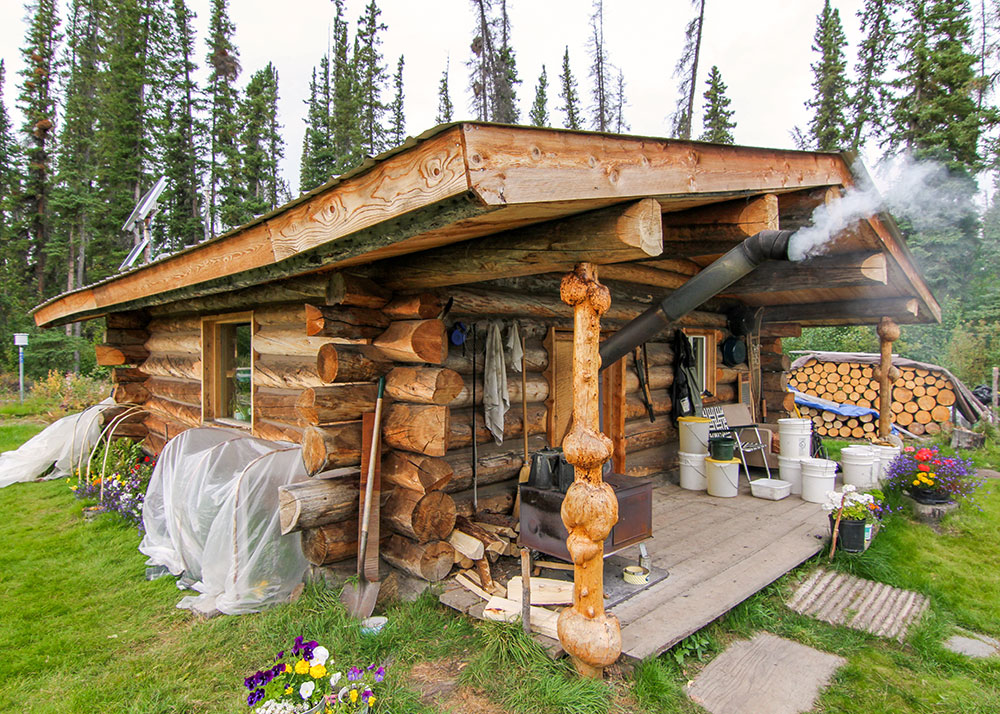
Building a greenhouse that operates independently from the electrical grid offers several advantages. Not only do you reduce your reliance on outside resources, but you also gain greater control over your food supply. Off-grid structures are especially valuable in remote areas, where access to power and water can be limited or expensive.
- Energy independence: Use renewable sources like solar or wind to power fans, lights, and irrigation.
- Year-round growing: Maintain optimal temperatures and humidity for crops even in extreme weather.
- Cost savings: Lower utility bills and avoid costly infrastructure upgrades.
- Sustainability: Reduce your environmental footprint by using natural materials and eco-friendly systems.
For those just starting out, the off-grid homesteading for beginners resource is a helpful companion to this guide, providing step-by-step advice on building your first self-sustaining systems.
Essential Features for Self-Sufficient Greenhouses
When exploring off-grid greenhouse ideas, it’s important to focus on features that support autonomy and efficiency. Here are some core elements to consider:
Passive Solar Design
One of the most effective ways to heat a greenhouse without electricity is through passive solar techniques. Orient your structure to maximize southern exposure, use double-glazed panels, and incorporate thermal mass (like water barrels or stone walls) to store heat during the day and release it at night.
Natural Ventilation and Insulation
Good airflow is crucial for plant health and temperature regulation. Design your greenhouse with adjustable vents, roof windows, or roll-up sides. For insulation, consider using recycled materials such as old windows, bubble wrap, or straw bales to help retain warmth during colder months.
Rainwater Harvesting and Irrigation
Collecting rainwater from the roof of your greenhouse is a simple way to supply your plants without relying on municipal water. Install gutters and storage barrels, and use gravity-fed drip irrigation systems for efficient, low-energy watering.
Popular Off-Grid Greenhouse Structures
There are several greenhouse types that lend themselves well to off-grid living. Each has unique benefits and can be adapted to different climates and budgets.
Geodesic Domes
Geodesic dome greenhouses are known for their strength, efficient use of materials, and ability to withstand heavy snow and wind. Their shape distributes heat and light evenly, making them ideal for year-round gardening.
Earth-Sheltered and Walipini Designs
Walipini (sunken) greenhouses are built partially or entirely below ground, using the earth’s natural insulation to maintain stable temperatures. These structures are especially effective in cold climates and can be constructed using affordable, locally sourced materials.
Hoop Houses and High Tunnels
Simple and cost-effective, hoop houses use flexible piping and plastic sheeting to create a protective environment for crops. They’re easy to build, expand, and repair, making them a favorite among homesteaders seeking practical off-grid greenhouse ideas.
Energy Solutions for Off-Grid Growing Spaces
Keeping your greenhouse warm and well-lit without grid electricity requires creative energy strategies. Here are some proven approaches:
- Solar panels: Power fans, LED grow lights, and small water pumps with photovoltaic systems.
- Thermal mass: Use barrels of water or stone to absorb and release heat naturally.
- Rocket mass heaters: Efficient wood-burning stoves can provide supplemental heat with minimal fuel.
- Wind turbines: In windy locations, small turbines can generate enough power for greenhouse needs.
Integrating these systems not only supports your greenhouse but can also benefit other parts of your homestead. For more on sustainable food production, see this growing food off-grid guide.
Maximizing Productivity in Your Off-Grid Greenhouse
To get the most from your greenhouse, focus on efficient use of space and resources. Raised beds, vertical gardening, and companion planting can all help increase yields. Consider adding a small aquaponics or hydroponics system powered by solar energy for even greater productivity.
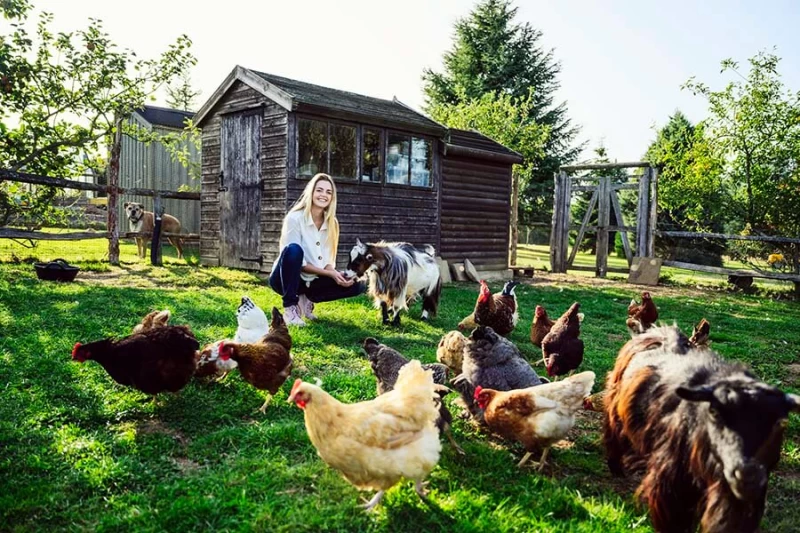
Livestock integration is another advanced strategy. Chickens or rabbits housed adjacent to your greenhouse can provide heat, carbon dioxide, and manure for composting. For more on animal care in remote settings, check out off-grid livestock care.
Getting Started: Planning and Building Tips
Before breaking ground, take time to assess your site, climate, and available resources. Here are some planning tips:
- Choose a location with maximum sunlight and good drainage.
- Start small and expand as your needs grow.
- Use recycled or locally sourced materials when possible.
- Plan for easy access to water and composting systems.
- Document your progress and adjust your setup as you learn what works best.
For a comprehensive overview of starting your own homestead, the how to start an off-grid homestead article provides actionable steps and helpful checklists.
Additional Resources and Inspiration
Many experienced homesteaders share their knowledge and designs online. For further reading and inspiration, visit this comprehensive guide to off-grid homesteading. You’ll find detailed plans, success stories, and troubleshooting tips to help you adapt these concepts to your unique situation.
Frequently Asked Questions
What crops can I grow in an off-grid greenhouse during winter?
Cold-hardy greens like kale, spinach, and lettuce thrive in winter greenhouses. Root vegetables, herbs, and even some fruiting plants can also be grown with proper insulation and passive heating.
How do I heat my greenhouse without electricity?
Passive solar design, thermal mass (such as water barrels or stone), and composting systems can all help maintain warmth. In colder climates, rocket mass heaters or integrating livestock can provide additional heat.
Is it expensive to build an off-grid greenhouse?
Costs vary depending on size, materials, and features. Using recycled materials, building smaller structures, and doing the work yourself can significantly reduce expenses. Many homesteaders find that the long-term savings on food and utilities outweigh the initial investment.