The concept of homesteading has evolved significantly over the years. While the core idea—living more self-sufficiently—remains, the methods, motivations, and lifestyles of today’s homesteaders often look quite different from those of the past. Understanding the modern homesteading vs traditional homesteading debate can help you decide which approach aligns best with your values, resources, and long-term goals.
Whether you’re just starting out or looking to refine your approach, exploring the distinctions between these two philosophies is essential. For those new to this lifestyle, you might find the modern homesteading for beginners guide helpful as you navigate your options.
Defining Modern and Traditional Homesteading
Before diving into the main contrasts, it’s important to clarify what each term means. Traditional homesteading typically refers to the practices of early settlers and rural families from the 19th and early 20th centuries. These homesteaders relied almost entirely on their land and skills for survival, producing their own food, building their homes, and living off-grid out of necessity.
In contrast, modern homesteading adapts these principles to today’s world. It often blends self-sufficiency with technology, community resources, and even urban or suburban settings. Many people pursuing this path do so by choice, seeking a more sustainable, intentional lifestyle rather than out of economic necessity.
Core Philosophies: Self-Sufficiency and Adaptation
At the heart of both approaches is the desire for greater independence. However, the way this is achieved can differ dramatically. Traditionalists often strive for near-total autonomy, growing or raising almost everything they need. Modern practitioners, on the other hand, may focus on specific skills or projects—like gardening, canning, or raising chickens—while still relying on local markets and technology for other needs.
This flexibility allows contemporary homesteaders to adapt their efforts to fit their available space, time, and resources. For example, someone living in a city might start with container gardening or join a community-supported agriculture (CSA) program, while a rural resident might invest in solar panels or a large vegetable plot.
Location and Scale: From Remote Farms to Urban Lots
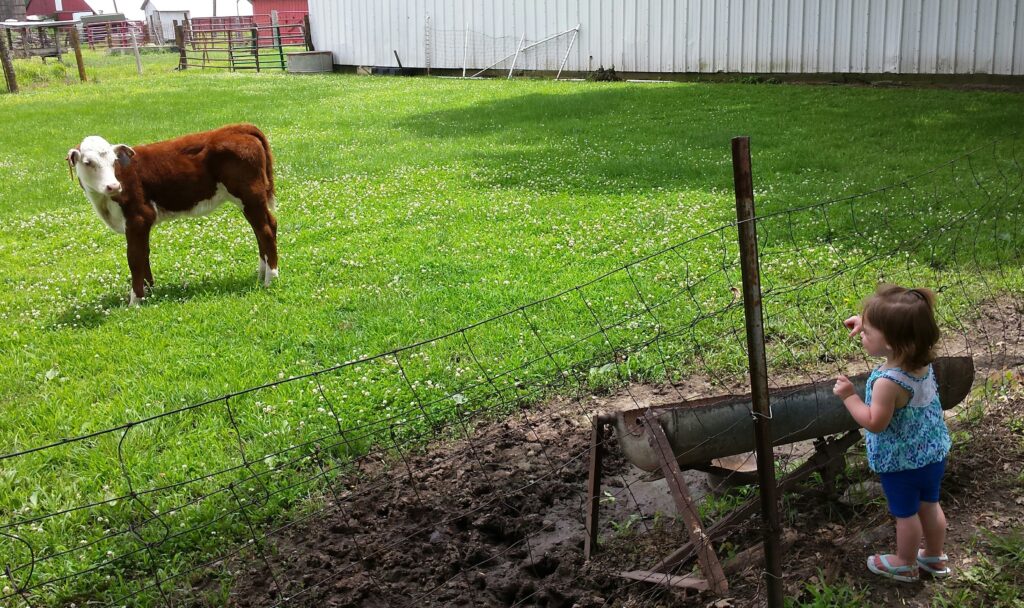
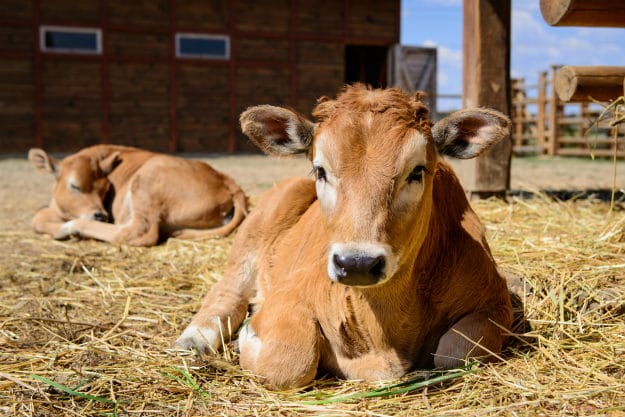
One of the most significant differences between modern homesteading vs traditional homesteading is location. Historically, homesteads were established on large, remote tracts of land—often hundreds of acres. Today, the movement has expanded into suburbs and cities, with people transforming backyards, balconies, and even rooftops into productive spaces.
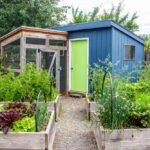
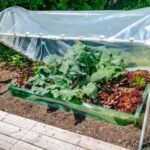
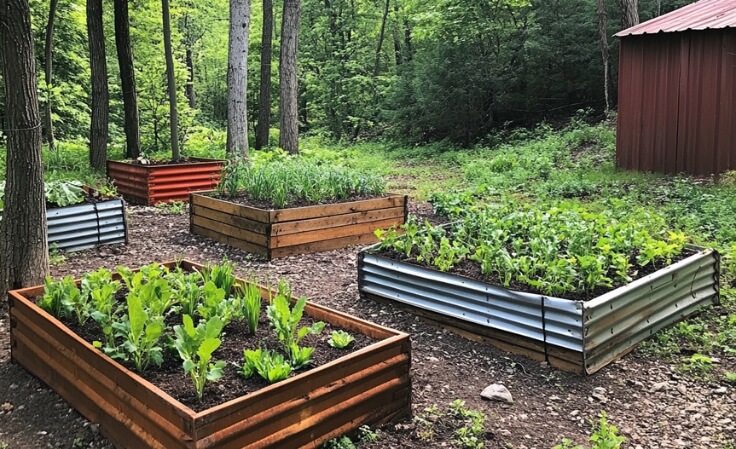
The scale of operations has also shifted. While traditional homesteads might have included fields, livestock, and outbuildings, many modern setups focus on what’s manageable within a smaller footprint. This could mean a few raised beds, a flock of backyard hens, or a compact greenhouse.
Technology and Innovation in Contemporary Homesteads
Technology is a defining feature of the current movement. While early homesteaders relied on manual labor and simple tools, today’s practitioners can access a wealth of information, products, and support online. Solar power, drip irrigation, automated chicken coops, and digital weather stations are just a few examples of how innovation is shaping the landscape.
The internet also enables knowledge sharing, making it easier for newcomers to learn from experienced homesteaders. Resources like this comprehensive overview of modern homesteading provide practical advice and inspiration for anyone looking to get started or expand their skills.
Community, Bartering, and Economic Realities
While traditionalists often depended on tight-knit rural communities for support, bartering, and shared labor, today’s homesteaders may find their networks online or through local groups. Farmers’ markets, seed swaps, and social media forums allow people to trade goods, share tips, and build relationships regardless of location.
Economic motivations have also shifted. For early homesteaders, self-sufficiency was a necessity. Modern practitioners may be motivated by environmental concerns, food quality, or a desire for a simpler life. Some even turn their skills into side businesses, selling produce, crafts, or educational content.
Skills and Learning: Old Traditions Meet New Methods
Both approaches value practical skills, but the learning process has changed. Traditional homesteaders often learned by necessity or from family, passing down knowledge through generations. Today, books, online courses, and workshops make it possible for anyone to pick up new abilities, from fermenting vegetables to installing solar panels.
If you’re interested in expanding your own knowledge, you might explore modern homesteading ideas or browse modern homesteading tips to find practical projects and strategies that fit your lifestyle.
Environmental Impact and Sustainability
Sustainability is a major focus for many contemporary practitioners. While traditional homesteading was inherently sustainable due to limited resources, today’s efforts often emphasize reducing waste, conserving water, and using renewable energy. Composting, rainwater harvesting, and permaculture design are common features of modern setups.
These practices not only benefit the environment but can also save money and increase resilience in the face of supply chain disruptions or rising costs.
Making the Right Choice for Your Situation
Deciding between a classic or updated approach depends on your goals, resources, and personal preferences. Some people blend elements of both, choosing traditional skills like food preservation while embracing modern conveniences such as solar power or online learning.
If your aim is complete independence, you might lean toward a more old-fashioned model. If flexibility, sustainability, and community connections are priorities, a contemporary approach could be the best fit. For those seeking a comprehensive overview, the self-sufficient homestead guide offers valuable insights for beginners and experienced practitioners alike.
Frequently Asked Questions
What are the main differences between modern and traditional homesteading?
The primary distinctions include the use of technology, location, scale, and motivation. Modern homesteading often incorporates digital tools, can be practiced in urban or suburban areas, and is usually a lifestyle choice. Traditional homesteading relied on manual labor, rural settings, and was often driven by necessity.
Can you practice homesteading in the city?
Absolutely. Many people now grow food in small spaces, raise chickens, or make preserves in urban environments. The key is adapting homesteading principles to your available resources, whether that means container gardening or joining local food co-ops.
Is it possible to combine both approaches?
Yes, many people blend traditional skills with modern innovations. For example, you might use heirloom seeds and manual tools while also relying on solar panels and online communities for support and learning.