Embracing a self-reliant lifestyle is more accessible than ever, thanks to a growing movement of people seeking to blend traditional skills with contemporary conveniences. Whether you’re starting with a small backyard or a few acres, adopting modern homesteading tips can help you build a sustainable, rewarding way of life. This approach isn’t just about growing food—it’s about creating systems that support your household, reduce waste, and foster independence.
For those new to this journey, understanding the fundamentals is key. From planning your space to learning essential skills, the right guidance can make all the difference. If you’re interested in going even further, you might find the self-sufficient homestead guide a helpful resource for beginners.
Getting Started: Planning Your Homestead
Before you plant your first seed or bring home livestock, it’s important to assess your property and set clear goals. Consider the following steps as you begin:
- Evaluate your land: Observe sunlight patterns, soil quality, water access, and existing vegetation. These factors will influence what you can grow and raise.
- Set priorities: Decide what’s most important to your household—fresh produce, eggs, meat, or simply reducing your grocery bill. Start with manageable projects and expand as you gain confidence.
- Design your layout: Sketch a map of your property, marking out garden beds, animal shelters, compost areas, and tool storage. Good planning saves time and effort later.
For those looking to dive deeper into off-grid living, the complete guide to off-grid homesteading offers detailed advice on building a fully independent setup.
Practical Modern Homesteading Tips for Everyday Success
Building a thriving homestead is about more than just hard work—it’s about working smart. Here are some practical suggestions to help you succeed:
- Start small and scale up: Focus on a few core projects, such as a vegetable garden or a small flock of chickens. As you master each area, gradually add more elements to your homestead.
- Embrace permaculture principles: Use natural systems to your advantage, such as composting kitchen scraps, mulching to retain moisture, and planting perennials for long-term yields.
- Keep records: Track planting dates, harvest yields, expenses, and lessons learned. This information will help you refine your approach each season.
- Invest in quality tools: Reliable hand tools and equipment save time and reduce frustration. Maintain them well to extend their lifespan.
- Connect with others: Join local or online homesteading communities to share advice, swap seeds, and learn from experienced practitioners.
If you’re interested in learning more about the philosophy and practicalities behind this lifestyle, this introduction to modern homesteading provides a comprehensive overview.
Food Production: Gardening and Livestock Essentials
One of the most rewarding aspects of homesteading is producing your own food. Whether you have a small plot or several acres, these approaches can help you maximize your harvest and ensure a steady supply of fresh ingredients.
Growing a Productive Garden
- Choose the right crops: Focus on vegetables and fruits that thrive in your climate and that your family enjoys eating.
- Practice crop rotation: Rotate plant families each year to maintain soil health and reduce pest problems.
- Use organic methods: Avoid synthetic chemicals by relying on compost, mulch, and natural pest deterrents.
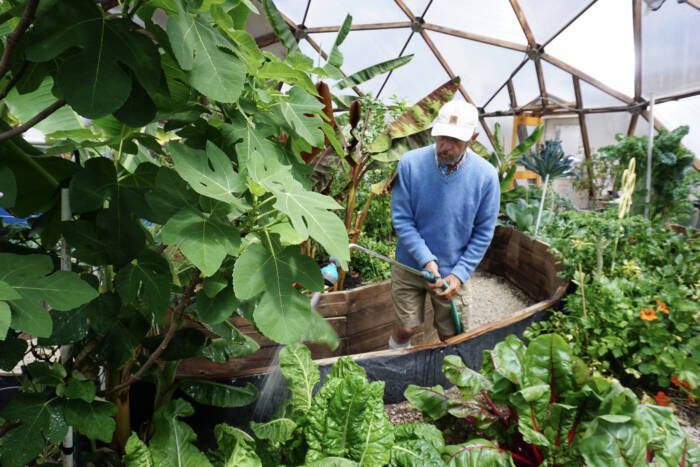
- Extend the season: Use cold frames, row covers, or greenhouses to grow food earlier in spring and later into fall.
Raising Animals Responsibly
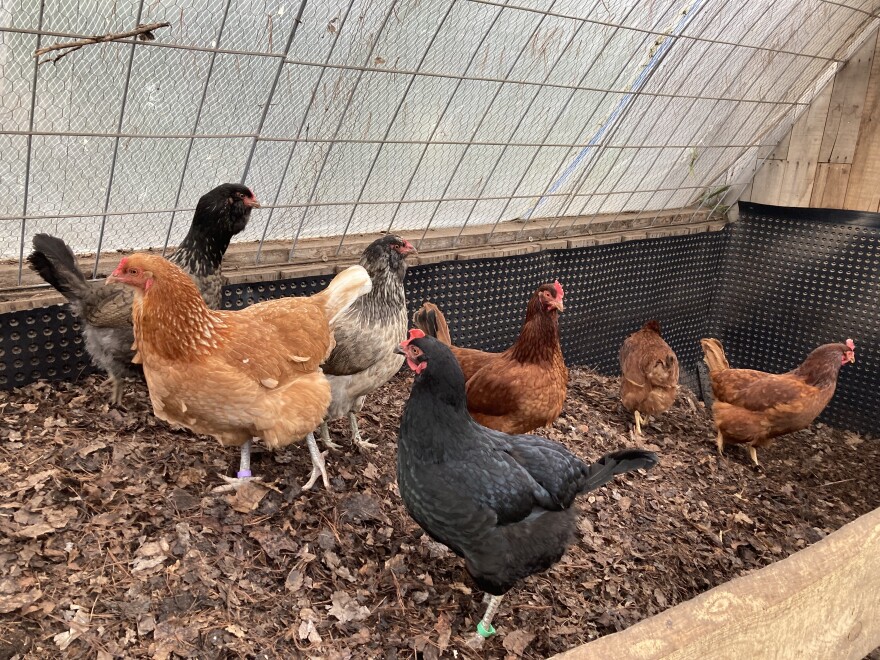
- Start with easy livestock: Chickens are a great choice for beginners, providing eggs and natural pest control.
- Provide proper shelter: Ensure animals have protection from weather and predators.
- Feed and water consistently: Fresh water and balanced nutrition are essential for healthy animals.
- Respect local regulations: Check zoning laws and animal ordinances before bringing livestock onto your property.
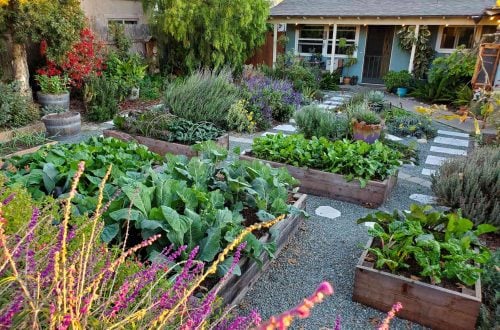
Resource Management and Sustainability Strategies
Efficient use of resources is central to a successful homestead. These strategies help you conserve energy, water, and materials while reducing your environmental impact.
- Harvest rainwater: Collecting rainwater for irrigation can reduce your reliance on municipal supplies and lower your water bill.
- Compost everything you can: Turn kitchen scraps, yard waste, and animal bedding into nutrient-rich compost for your garden.
- Repurpose and recycle: Find creative uses for old pallets, containers, and other materials instead of sending them to the landfill.
- Invest in renewable energy: Solar panels or small wind turbines can help power your home and reduce utility costs.
- Monitor your consumption: Track energy and water use to identify areas for improvement.
If you’re curious about what it takes to live fully off the grid, the guide to living off-grid full time covers practical steps and common challenges.
Common Challenges and How to Overcome Them
Even with the best planning, every homesteader faces setbacks. Here are some frequent obstacles and ways to address them:
- Overwhelm: Trying to do too much at once can lead to burnout. Focus on a few key projects and celebrate small wins.
- Pest and disease issues: Learn to identify common problems early and use integrated pest management strategies.
- Unexpected expenses: Set aside a contingency fund for repairs, animal health, or weather-related damage.
- Time management: Create a daily or weekly schedule to balance chores, work, and rest.
Learning from others’ experiences can help you avoid pitfalls. For more insights, check out this list of mistakes new homesteaders make and how to avoid them.
Frequently Asked Questions
What is the first step to starting a modern homestead?
Begin by assessing your property and setting clear, realistic goals. Start small with manageable projects, such as a vegetable garden or a few chickens, and expand as you gain experience.
How much land do I need to be self-sufficient?
The amount of land required depends on your goals. Many people achieve a high degree of self-reliance on less than an acre by using intensive gardening methods and raising small livestock. Larger properties offer more options but also require more maintenance.
Can I practice homesteading in an urban or suburban setting?
Absolutely. Many modern homesteading tips are adaptable to small spaces. Container gardening, vertical gardens, backyard chickens (where allowed), and composting are all possible in urban environments.
How do I stay motivated when challenges arise?
Set achievable milestones, connect with other homesteaders, and remember your reasons for pursuing this lifestyle. Celebrate progress, learn from setbacks, and adjust your plans as needed.
Where can I learn more about modern homesteading?
There are many online communities, books, and courses dedicated to this topic. For a comprehensive introduction, see this overview of modern homesteading and how to get started.