Embracing modern homesteading ideas is an effective way to live more sustainably, reduce your dependence on commercial systems, and reconnect with practical skills. Whether you have a large rural property or a small urban lot, today’s homesteading movement focuses on resourcefulness, self-reliance, and eco-friendly practices that fit a variety of lifestyles. This guide explores a range of approaches—from growing your own food to adopting renewable energy—that can help you create a more resilient and rewarding home life.
If you’re just starting out, it’s helpful to learn from those who have already walked this path. Our self-sufficient homestead guide offers practical steps for beginners looking to build a more independent lifestyle.
Backyard Food Production: Gardens, Orchards, and More
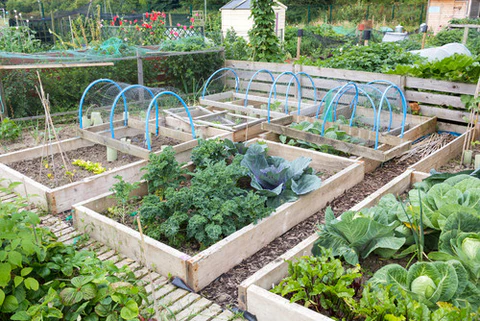
One of the cornerstones of sustainable living is growing your own food. Even a small backyard can support a productive vegetable garden, a few fruit trees, or a collection of culinary herbs. Raised beds, container gardening, and vertical planters make it possible to maximize yields in limited spaces. For those with more land, consider adding berry bushes, nut trees, or even a small orchard to diversify your harvest.
Composting is another essential practice. By recycling kitchen scraps and yard waste, you can create nutrient-rich soil for your plants and reduce landfill waste. Mulching, crop rotation, and companion planting are additional techniques that help maintain soil health and minimize pest problems without synthetic chemicals.
Raising Animals for Eggs, Milk, and More
Integrating small livestock is a time-tested way to boost your homestead’s productivity. Chickens are a popular choice for beginners, providing fresh eggs and natural pest control. If you have more space, consider adding ducks, rabbits, or goats. Goats can supply milk and help clear brush, while rabbits are efficient meat producers for those interested in a closed-loop food system.
Animal care requires planning and commitment. Make sure you research housing, feed, and health needs before bringing any animals home. Rotational grazing and mobile coops can help maintain healthy pastures and reduce the risk of disease.
Water Conservation and Management Strategies
Sustainable living depends on wise water use. Rainwater harvesting systems, such as barrels or cisterns, collect runoff from your roof for use in the garden or for livestock. Drip irrigation and soaker hoses deliver water directly to plant roots, minimizing evaporation and runoff.
Greywater recycling—using water from sinks, showers, or laundry for irrigation—can further reduce your household’s demand on municipal supplies. Always check local regulations before implementing greywater systems.
Renewable Energy and Off-Grid Solutions
Many people interested in modern homesteading ideas are drawn to renewable energy. Solar panels are the most accessible option for generating electricity, but wind turbines and micro-hydro systems may also be viable depending on your location. Even if you can’t go fully off-grid, installing a few solar panels or a solar water heater can significantly reduce your utility bills and carbon footprint.

For those considering a more independent setup, our guide on how to live off-grid full time covers the essentials of power, water, and waste management for a self-sufficient home.
Homemade Products and DIY Skills
Making things from scratch is central to the homesteading mindset. Simple projects like baking bread, fermenting vegetables, or making soap can save money and reduce packaging waste. Learning basic carpentry, sewing, and food preservation skills not only increases your self-reliance but also provides a sense of accomplishment.
Canning, dehydrating, and freezing are effective ways to store seasonal produce for year-round use. If you’re new to these skills, start small and build confidence with each project.
Reducing Waste and Closing the Loop
A sustainable homestead aims to minimize waste at every stage. In addition to composting, consider reusing materials, repairing broken items, and buying in bulk to cut down on packaging. Upcycling—turning old items into something useful—can be both practical and creative.
For more inspiration, check out this overview of contemporary homesteading practices that highlights innovative ways people are reducing their environmental impact.
Community Connections and Bartering
Building relationships with neighbors and local producers can enhance your homesteading journey. Bartering goods or skills, joining community gardens, and participating in local food co-ops are all ways to strengthen your support network. Sharing tools, seeds, or expertise not only saves money but also fosters a sense of community resilience.
Many homesteaders find that connecting with others helps them avoid common pitfalls. For example, understanding the mistakes new homesteaders make can help you plan more effectively and avoid unnecessary setbacks.
Planning and Setting Realistic Goals
It’s easy to get overwhelmed by the possibilities. Start by identifying your priorities and setting achievable goals. Whether you want to grow a year’s supply of vegetables or install a small solar array, break each project into manageable steps. Track your progress and celebrate small victories along the way.
If you’re interested in a step-by-step approach, our off-grid homestead startup timeline can help you map out your journey from the ground up.
Frequently Asked Questions
What are the first steps for someone new to sustainable homesteading?
Begin by assessing your available space, resources, and interests. Start small—perhaps with a vegetable garden or a few backyard chickens. Learn basic skills like composting and food preservation, and gradually expand as you gain confidence. Connecting with local homesteaders or reading a complete guide to off-grid homesteading can provide valuable insights.
Can you practice homesteading in an urban or suburban setting?
Absolutely. Many modern homesteading ideas are adaptable to small spaces. Container gardening, vertical planters, and rooftop beekeeping are just a few options. Urban homesteaders often focus on reducing waste, making homemade products, and building community connections.
How can I make my homestead more eco-friendly?
Focus on reducing resource use, minimizing waste, and supporting biodiversity. Install rainwater catchment systems, use renewable energy where possible, and practice organic gardening methods. Upcycling, composting, and supporting local food systems also contribute to a greener lifestyle.